
Week 2:
Gerace Research Center & The National Archives of the Bahamas
December 27, 2012
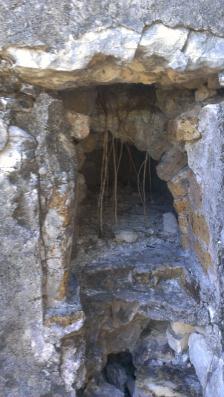
This week was full of library research, field research (oral history interviews), more plantation ruin visits, and planning out my Neo-slave narrative. I also had the opportunity to go fishing on the ocean. The best part about this week was my oral history interview with Miss Pratt. This was the most rewarding experience I’ve had on San Salvador. My opportunity to conduct an oral history interview almost slipped away, but I was blessed to have connected and befriended a few natives of San Salvador that helped me pull it off. Prior to my arrival on Dec. 8 to San Salvador Ms. Marcia Musgrove from Nassau, Bahamas informed Prof. Stewart and I about a great opportunity to interview a long term resident of San Salvador, Bahamas named Ms. Hazel Edgecomb (age 89). Ms. Marcia interviewed her a few years back to inquire about her own family history and discovered that Ms. Hazel could recall her lineage back to her great-grandfather who was brought from Africa. I could not wait to interview her, but to my disappointment I would not get the opportunity.
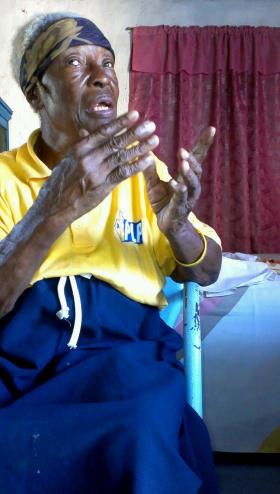
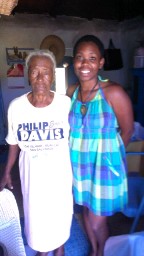
Once I arrived on San Salvador and had the opportunity to inquire about her whereabouts I was told that she had traveled to Nassau to spend the holidays with her family. I knew of no other person of her age on the Island that could provide me with such a rich history. Bummer, I know. Fortunately, a friend of mine that I remained in contact with from my previous visit introduced me to his mother. Tyrone Pratt’s mother, Miss Erma Pratt is 75 yrs old and she is responsible for rejuvenating my spirits after the disappointment of missing Ms. Hazel. After briefly meeting Miss Pratt for the first time we scheduled an interview session and met two days later to conduct the interview. Upon my arrival to her home I could tell she was a bit nervous. I expected this may occur, so I planned ahead and brought lunch for the both of us to break the ice. I also wanted to pay her in the traditional griot/storyteller fashion in which the recipients of oral history compensate the storyteller or African griot with food.
We sat and ate in silence for a few minutes, and I allowed Miss Pratt to gauge me as a person and ask any questions that may have concerned her. I then began by ask her about her day and informing her of the purpose of the interview and explained my project. I observed right away that Miss Pratt was a religious woman. She was born and raised Catholic on San Salvador. We completed our interview a little under three hours. We discussed bush medicine, her ancestral history, Bahamian food traditions, and Obeah (dark medicine or magic used to harm individuals). We shared tears, pictures, and heart wrenching stories that I will cherish for a lifetime. Miss Pratt opened her home. heart, and family up to me as a foreign research and for that I am forever grateful.
A few professional skills were gained from this opportunity. I learned to conduct a productive oral history interview. I learned to enhance my interpersonal skills by working with Miss Pratt as human being and not as foreign specimen for my research. I also learned to work through disappointments and hope for the best in times of distress and disappointments.
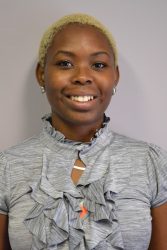
Major: History and Ethnic Studies. Hometown: Houston, Texas.
PreviousWeek 1: Gerace Research Center & The National Archives of the Bahamas
NextWeek 3: Gerace Research Center & The National Archives of the Bahamas