
Week 2:
University of Iowa Department of Anatomy and Cell Biology
June 10, 2013
Week two has been pretty exciting for me! I’ve started a few more projects, and I’m beginning to see the results! As I mentioned in my previous post, I did start a project involving NFN and PTU. Unfortunately, some of the embryos that I had left to look at their movement, all of the ones in NFN died, so I was left with the control embryos and the ones only in PTU. However, it turned out to be okay because I used those to test out the behavioral machine. The machine is able to detect their movement through the embryos pigmentation. The embryos in PTU no long have pigmentation, and there lies the problem. We placed them in red dye to see if they would absorb the color and if the machine would be able to detect the color. The embryos did absorb the color, but the results of their movement make it difficult to determine if the machine was actually able to see them.
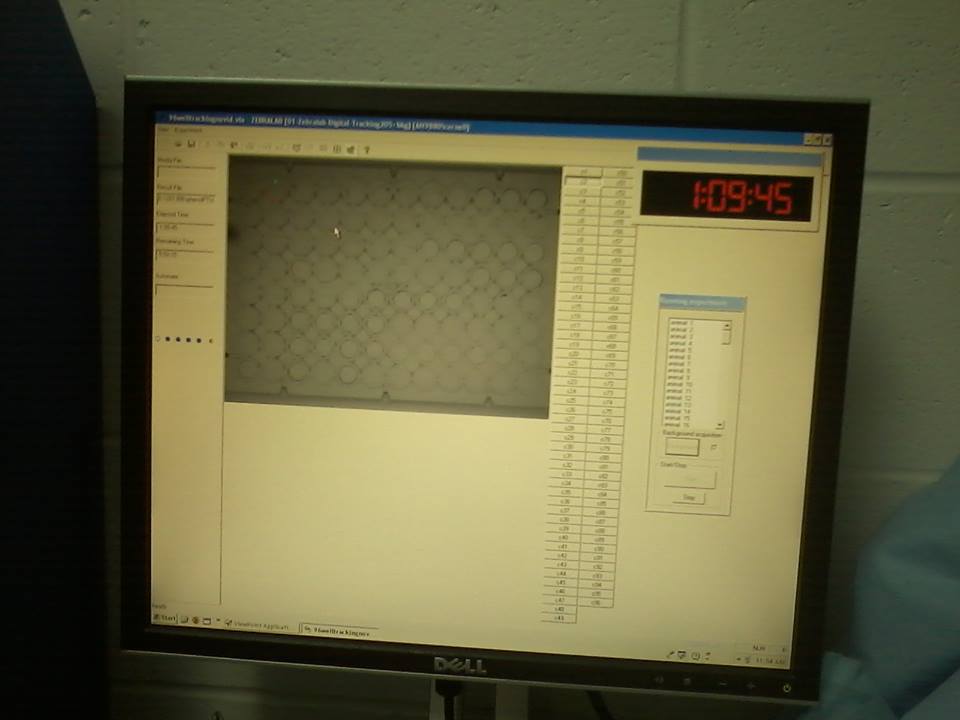
Since the embryos in NFN died, we decided to try again. We added a petri dish with a lower concentration of NFN, and we also added another dish with a lower concentration of NFN and PTU. We also thought that maybe they had to be out of their embryonic sacs for the drug to actually affect them which would possibly explain why they died after 48 hours. We also made a couple of other adjustments to either keep the embryos alive or to make sure that NFN was working.
We also placed embryos in hydrogen peroxide, and this is suppose to create oxidative stress which will become more useful later on. As of right now, it doesn’t look it it had much of an effect on the embryos, so either we new hydrogen peroxide or we need a higher concentration.
After learning some of the basic procedures, I have been instructed in how to perform a qPCR. I am learning why they perform so many repetitions with this procedure. I have completed four trials, and my results have changed. I have really good results, some okay results, and some results where I sit there thinking, “what on earth…”. The point of this is to compare the levels of gene expression for pink1, TH1, and TH2 between a mutant zebrafish’s cDNA and its wildtype sibling’s.
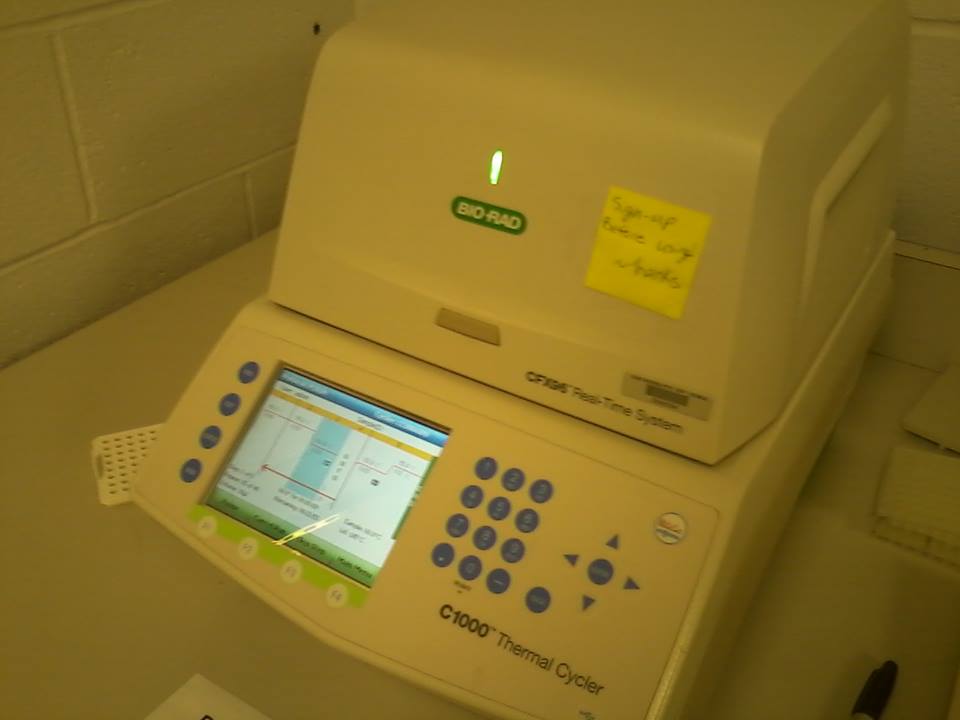
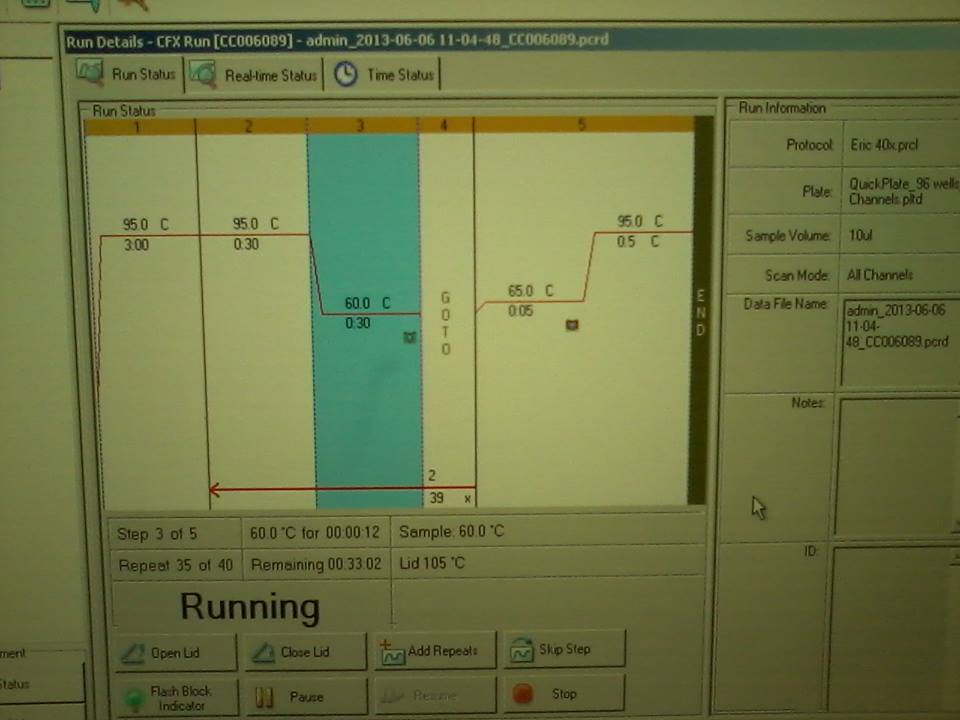
I’ve been able to get to know those in my lab fairly well, and today we are getting frozen yogurt ! I’ve made plans outside of the lab as well. I will be donating plasma for the first time tomorrow. I’m really excited for that! One of my housemates also asked me if I wanted to go to the farmer’s market with her next week, so I’ll have pictures of that for next time!
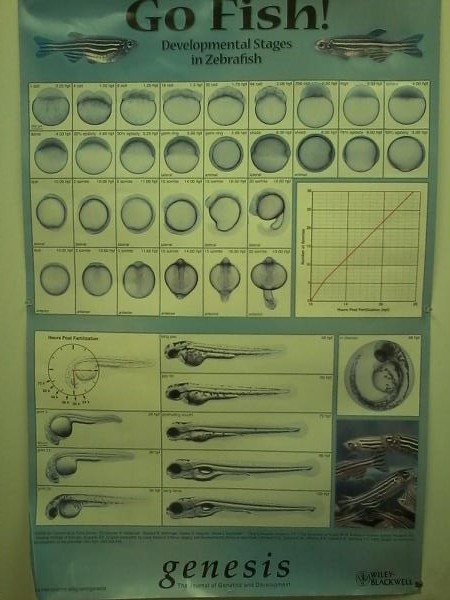
Fun fact: it takes about a month for a zebrafish to become fully grown!

Major: Biochemistry & Molecular Biology. Hometown:Ankeny, Iowa.
PreviousWeek 1: University of Iowa Department of Anatomy and Cell Biology
NextWeek 3: University of Iowa Department of Anatomy and Cell Biology