
Week 6:
Mayo Clinic
July 1, 2013
This week was pretty exciting because I had my first interaction with a patient. I was invited to observe Dr. St. Louis give a neurological examination to a patient participating in our sleep deprivation study. The patient was staying at St. Mary’s Hospital, which is the other Mayo Clinic campus in Rochester about five minutes from downtown. While on the bus ride over, I was able to have a great conversation with Dr. St. Louis. He told me about his experience working at University of Iowa as well as his trips to Mount Vernon to eat at the Lincoln Cafe. In addition, we talked about the physician assistant profession. Although I want my career to be patient focused, I would love to do clinical research. At the moment, there are no physician assistant programs with a PhD track like there is for medical school, but this may be something that develops in the future. It was great to have Dr. St. Louis’ input since he does both patient care and clinical research.
The sleep deprivation study our lab is completing is very interesting. Patients stay in the hospital for 21 days: 3 days of normal sleep, 14 days of deprived sleep, and 4 days of recovery sleep. During the deprived sleep stage, patients only get four hours of sleep per night. In addition to recording the EEG, the patient also completed different cognitive tests to test the affects of sleep deprivation. The patient we were seeing was over halfway through the deprived sleep stage, but the nurses were concerned with his balance. As a precaution, Dr. St. Louis was called to make sure the patient was okay from a neurological stand point. It is amazing how much he could discern from simple tests, such as having the patient walk in a straight line or hold their arms out straight. It was a great learning experience. Later this summer, we will be scoring CAP from the EEGs of the patients who undergo this study, so it’s cool to be able to see the other side of the research.
In addition to the normal conferences I attend, Mayo Clinic offers student seminars in order to introduce students to different medical fields and illustrate current research occurring in those fields. This weeks seminar focused on biomedical engineering, which is the advancement in health care treatment. Mayo Clinic prides itself in always being on the edge of medical advancement. Over 100 years ago, Dr. Henry Plummer developed the “unit record” at Mayo Clinic, which kept all of a patient’s record in one file. This type of record was the first of its kind and quickly became the standard of medical record keeping around the world. Recently, Apple published an article about the Mayo Clinic’s use of an iOS application that allows health providers to access the electronic medical record from an iPad of iPhone, order medications, etc. Mayo Clinic also offers a patient app, allowing them to view their own medical record and contact their physician.
The doctor speaking at the seminar explained his current research regarding spinal cord injuries. Many times, spinal cord injuries result in paralysis, which can also decrease the function of the diaphragm. Through this research, it has been shown that brain-derived neurotrophic factor (BDNF), a secreted protein which encourages the growth and differentiation of new neurons and synapses, increases the recovery of the diaphragm by signaling throughtropomyosin related kinase receptor subtype B (TrkB). By delivering BDNF into the spinal fluid, the BDNF/TrkB signaling increases, enhancing the recovery of the diaphragm. By enhancing the gene expression of TrkB.FL gene, the BDNF increase. Although this research does not correlate directly to what I am researching in my lab, it is interesting to learn how Mayo is advancing healthcare in different areas of medicine. In addition, these seminars allow me to apply knowledge I have learned in Cornell classes such as Cell and Molecular Biology.
“The sciences bring into play the imagination, the building of images in which the reality of the past is blended with the ideals for the future, and from the picture there springs the prescience of genius.”-Dr. Will Mayo
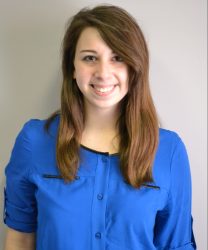
Major: Biochemistry & Molecular Biology. Hometown:White Bear Lake, Minnesota.