
Week 4:
Project Transitions
June 23, 2013
I have heard from many an employee of non-profits that anyone working in the non-profit world must learn to wear many different hats. Little did I know, though, that switching hats is much more complicated than changing a head covering; it’s changing personas. I am learning this first hand as I begin to develop my own wardrobe of Project Transitions hats.
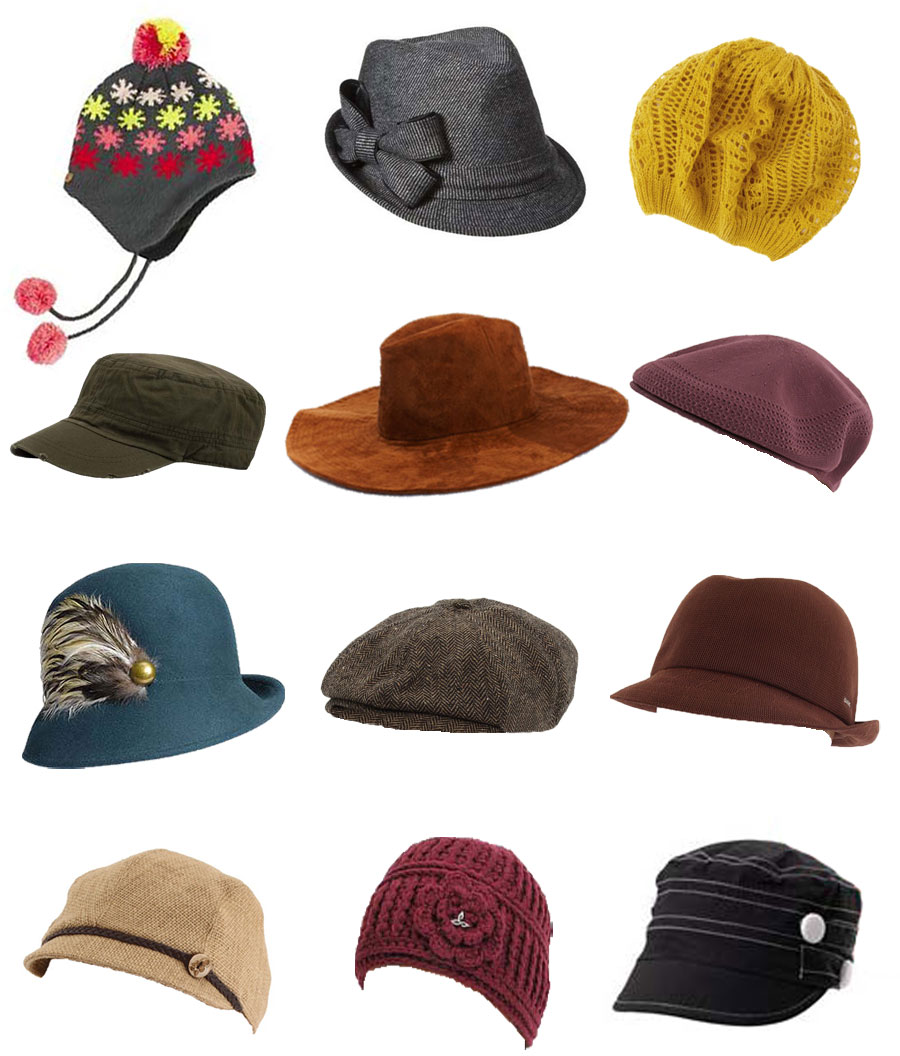
The first is my Administrative Hat, which I wear in the office, mostly at my desk. This one transforms me into an efficiency machine. I work quickly through my projects, like creating another Eblast or learning the process of Ryan White grant audits*. While I wear this hat I am careful to maintain a positive attitude (which isn’t hard seeing as everyone in the office is so kind and fun-loving), answer questions in a succinct way, and always wear my eagerness to get things done on my sleeve.
My Volunteer Hat is less about eagerness and more about confidence. This week I found that, when interacting with volunteers, the most important thing is to assure them of how helpful they are being. When a volunteer came to our office during a meeting on Tuesday, I had on my Administrative Hat, so I jumped up to go and talk to her. As soon as I introduced myself, though, I realized I had to slide into my Volunteer Hat. I assigned her a task, maintained professionalism and made sure I was appearing confident in my instructions.
My final hat, and perhaps my favorite so far, is my Social Work Hat. This is the one I wear when I interact with clients. I have observed two different case managers wear this Hat during intakes and appointments, and I know now that it looks a little different depending on the case manager. Both, in my observation, have the same outcome (assessment of need) but they obtain it with their own style. Watching them has allowed me to start formulating my own style. When I wear the Social Work Hat, I become a listener. I listen to clients with an analyzing ear. Whether I am listening to a client’s story in an intake or their updates in a regular housing appointment, I am constantly asking myself how the information I am receiving fits into the client’s well-being. Is what the client is saying an indication of a problem? If so, how can it be fixed? If it’s not a “fixable” problem, how can I best support the client emotionally or connect them to someone who can? I respond to the need the best I can in a way that maintains my listening ear. I try to answer in a way that validates the client’s feelings and still addresses their need.
As I said, my Social Work Hat is my favorite persona thus far in my internship. I am seriously considering case management as a possible career path, or at least something in the non-profit world that deals directly with the clients receiving services. It is the most rewarding part of my internship. Case management is where I get the privilege of forging personal relationships with clients. I get to see the impact PT’s services has had on them and walk with them on their journey to improving their quality of life. I get to listen to their incredible stories and piece them together like a puzzle, just as I would a synthesis paper for a class or a cumulative final project. Beyond reconstructing their stories, though, I get to problem solve with them in essentially a teamed brainstorm to figure out the best way to support their life. When I wear my Social Work Hat, I become an analyst, a problem solver, and a compassionate helper.
I am learning more day by day which hat is most applicable at any given moment. Some of the personas overlap, of course; it’s not as though I lose confidence when I go from Volunteer Hat to Social Work Hat or lose compassion when I go from Social Work to Administrative. I do, though, have to be mindful of which hat is most appropriate at the time, the same way I would be aware of my Hats at school when in the presence of Peers versus Staff versus my professors. I love that about the job. My role is constantly shifting from social worker to development employee to student to confidant to teacher to observer. I have to be on my toes at all times. The job is dynamic, and the longer I’m here the more I learn about all of the Hats in my closet.
On another note, I traveled to Houston this weekend to visit a friend, and again I felt so lucky to be in Austin where I am on the doorstep of endless cultural opportunities. I cannot believe my stay here is almost halfway over- even more reason to make every moment count! Thanks for reading!
*Ryan White is the main source of federal funding for Project Transitions’ hospice program. It is money specifically set aside for assistance for people living with HIV/AIDS. The audit process is essentially the government’s check that PT is fulfilling the grant measures, the strings attached to the money.
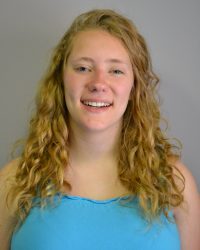
Major: Psychology of Performance. Hometown:Centennial, Colorado.