
Week 7:
Twin Cities Orthopedics
July 15, 2013
Twin Cities Orthopedics physical therapy has a lot of patients each with a story of their own. According to a study done by the University of Iowa Carver College of Medicine, the number of knee replacements in the year 2030 is expected to reach 3.5 million. Each individual who receives a knee replacement will be unique. After seven weeks of working in a physical therapy office I have not encountered two knee replacement patients who had the same rehab progress and required identical exercises. As explaining in a previous update, the progress of an individual patient can be a direct effect of the knee replacement parts.
Continuing with the rehabilitation progression after a knee replacement, weeks 2 through 5 focus on progressive function. This includes static and dynamic balance, stationary bicycle, wall slides and increasing the functionality of the new knee. Body weight activities including gentle semi-squats, which focus on eccentric control of the quadriceps. Flexibility and motion are also keys to regaining function as it was before the replacement. There are two popular machines at the physical therapy office that are known as the “torture” machines (as the patients call them). The flexinator and the extensinator help with passive motion of the knee, providing a deep stretch either in the flexed or extended position. The machines have measurements on them to record progress from week to week. Some patients need more strengthening in the hips while others require more strength exercises for their quads and hamstrings. The goals for each patient are usually very similar however the plan of action to achieve those goals vary between patients.
This week I was exposed to an ankle replacement, which is a similar surgery to a knee replacement; similar in the sense that the articulating joints replaced with metal and plastic to mimic the natural motion of the joint. Every week at Twin Cities Orthopedics I am exposed to new procedures and diagnosis as well as methods to guide the patient through rehab to regain normal function and reduce pain.
With only a few weeks remaining in my fellowship, I have made arrangements to meet with a few physical therapists to discuss details regarding the grad school programs they attended. My hope is to gain insight on the important features to look for when applying to a grad school program. I am also looking into career paths and how to specialize in the field of physical therapy such as sports injury prevention like my supervisor.
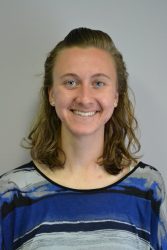
Major: Biomechanics. Hometown:Torrance, California.