
Week 3:
Children’s Hospital Colorado
June 26, 2014
This was a busy week for me; I was scheduled for three shadowing experiences. First, was the cardiology clinic, which was my favorite, I think because Dr. Schaffer was very funny. He liked making jokes and has a sarcastic personality, unusual behavior for a doctor. However, I think it works especially when dealing with children, you simply cannot just have a serious tone, and children are more likely to cooperate when they do not feel intimidated by the doctor. In addition, it is normal for parents to feel worried and scared for their child, even if they just have an innocent heart murmur, so decreasing this tension with jokes will help relax and calm the parent. Dr. Schaffer was good at explaining any problems the child had, drawing pictures out, and gave many recommendations. I have a minor heart murmur, and do yearly check-ups with my cardiologist. However, I do not recall a time where he sat me down and explained to me what my condition was. It was nice to see that he was also willingly to answer questions the patient/parent had.
Second, I shadowed the spinal defect outpatient area. It was interesting because there are a bunch of doctors and specialists working together to figure out the best possible treatments and checking the overall wellness of the patients. There was someone from orthopedics, urology, and rehabilitation departments. I got a glimpse of their procedures. The orthopedics doctor tested the child’s function and mobility. The urologist addressed urinary accidents/ frequency, and recommended ways for healthy discharge for some children. During rehabilitation, the physical therapist massaged stiff muscles, stretched the arms and legs, and gave home recommendations, such as heat to relax the muscles. In addition, I met a patient that had no mobility in her arms; however, she utilizes her mouth to play on her iPhone and text. She has a mouthpiece with an iPhone pen attached at the end. She moves her head and neck to control what she wants to do on her iPhone. This patient was so proficient with her mouthpiece, and she was not bothered by it, she was quite happy actually and was willing to show us all the tricks she can do with her mouthpiece.
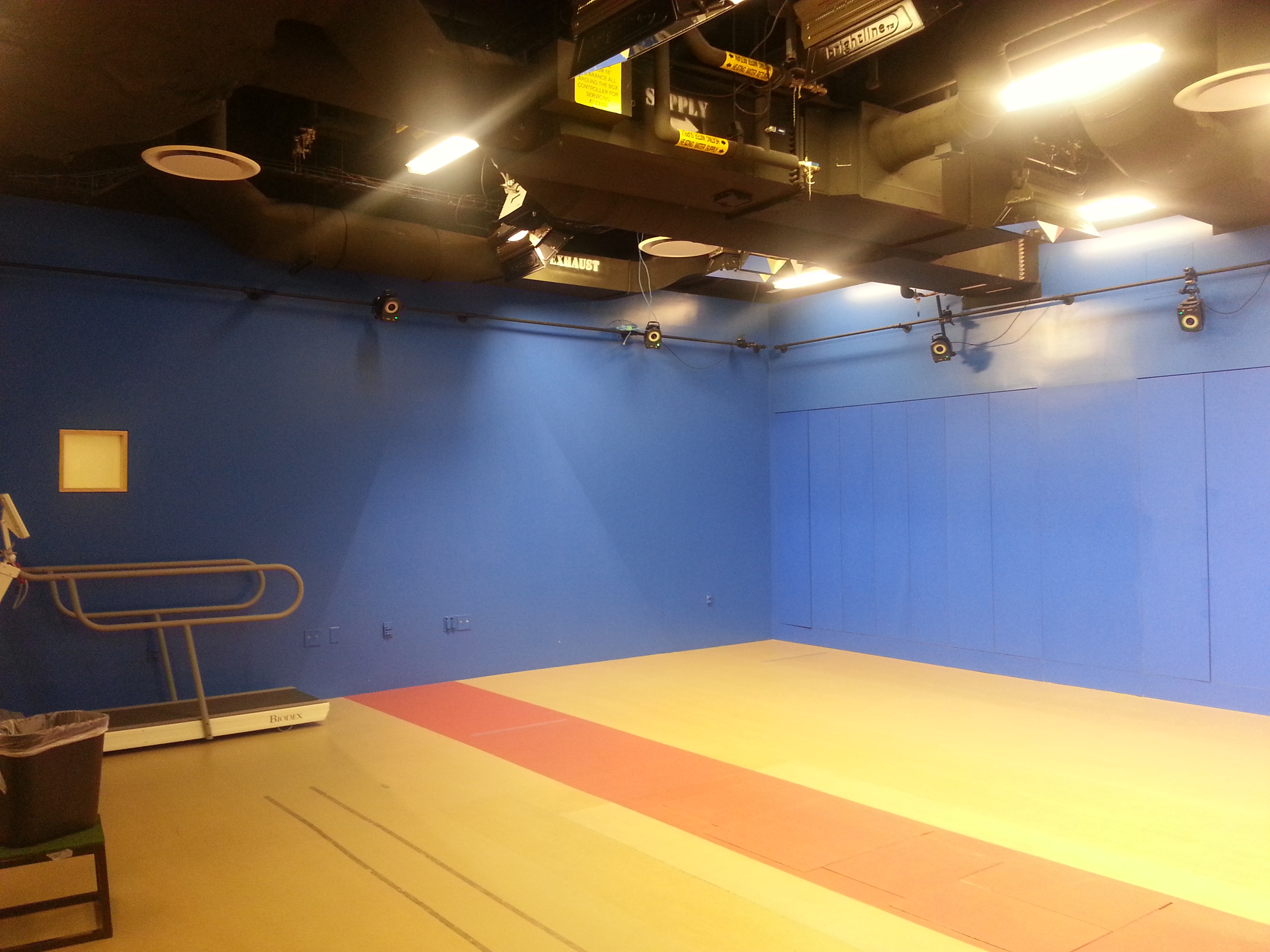
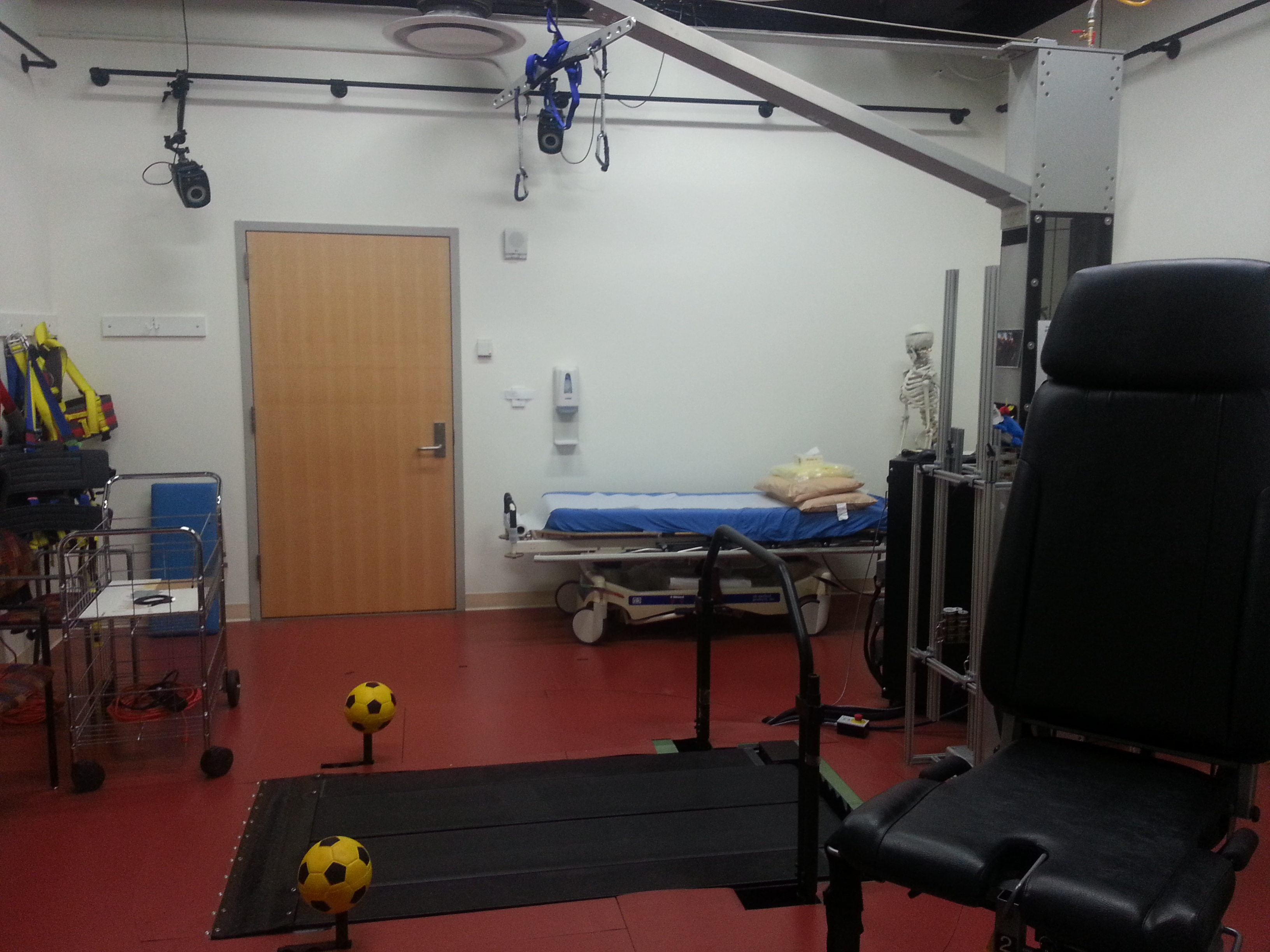
Lastly, I shadowed the Gait Analysis Center, a multidisciplinary team of engineers, physical therapists, kinesiologists, and orthopedic surgeons that evaluate patients with cerebral palsy, spina bifida, brain/ spinal cord injuries, hip/ joint problems, balance disorders, and sports-related injuries. This team recommended treatment plans including medications or modifications to any orthotic or prosthetic being used, ensuring the child will be as mobile and active as possible. It is a unique lab set up; Children’s is one of the few places that provide comprehensive analysis of gait and movement, and have state-of-the-art instruments. This includes advanced video recording techniques, 3-D motion capture technology to analyze patient’s body movement and muscle activity. Amy was evaluating a child to see if he needs any additional surgery, since his primary physician was worried about his muscle spasticity and “toe” walking. Amy thought that his legs were a little tense and there was some leg restriction, but his walking was quite good. Her recommendation was not surgery, but botox to relax the muscle and a cast to reconstruct his legs. I will be able to hear the data review for this patient and others that she evaluated sometime in July–this is where all specialists come together to discuss each of their recommendations.

Major: Biochemistry and Molecular Biology. Hometown:Ewa Beach, Hawai’i.