
Week 6:
Medicine from the Garden
July 29, 2018
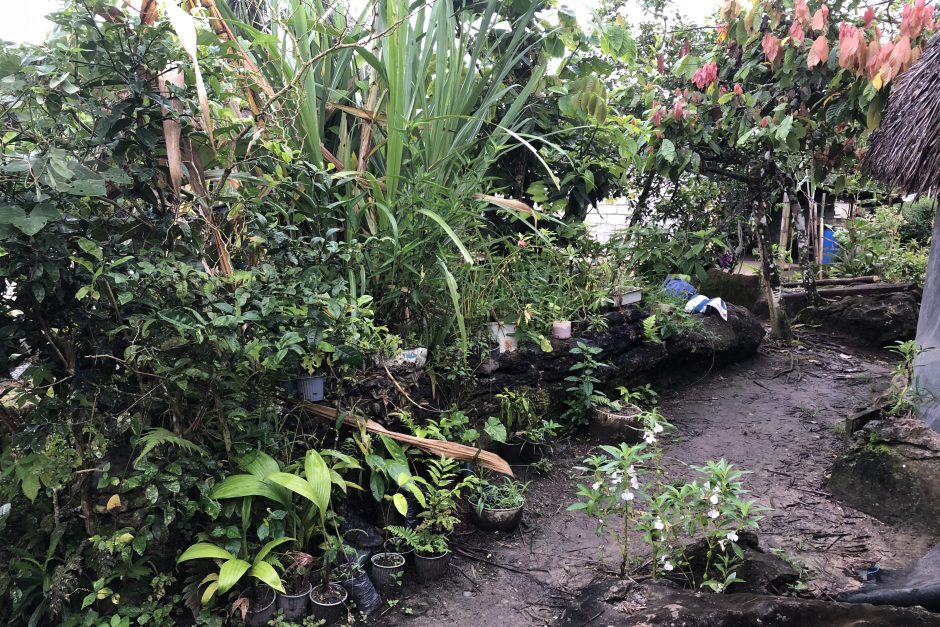
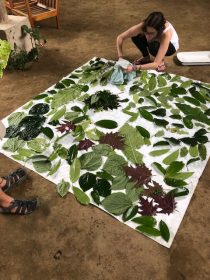
Last week I started making salves (herbal ointments) at Amu Pakin, the Kichwa midwives’ association. I helped the midwives and their interns collect medicinal leaves from the chakra to put in the salves, and we also made a salve for burns out of achote oil.
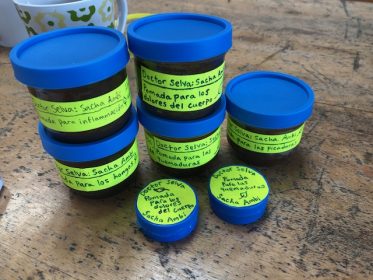
I also made some more salves at home with my host family, so that we have more of a variety to sell. We have a smaller size now, too. In the picture below, there are salves for inflammation, pain, fungus, burns, and bug bites. Now we’re in contact with a local pharmacy who would like to sell our salves, and it’s an exciting prospect to think that this will be a stable source of income for Clemente and family.
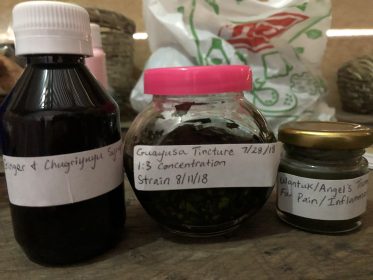
To hone my medicine-making skills, I went to a natural medicine workshop with some other interns. The teacher is a Kichwa woman who sells herbal products and gives the same workshop for free to local communities, so they can utilize their garden’s medicine easier. We were taught how to make salves, tinctures, syrups, and infusions. Most of it I already knew how to do, but I learned some more about the plant ingredients and picked up some useful tips on harvesting and increasing shelf life of the products.
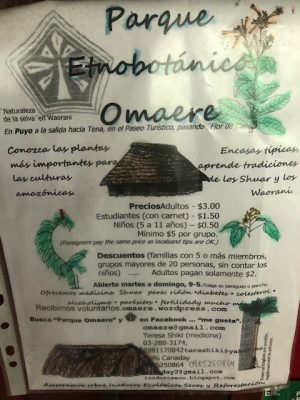
In addition, I went with a group of interns to Omaere Botanical Garden in Puyo, almost two hours away. We had a guide walking with us to tell about the medicinal plants, and I was able to record it all on audio and take notes later.
We also learned about the Shuar and Waorani people, who reside around Puyo. They are the two Amazonian groups in Ecuador who are traditionally the most war-like; for that reason, they were never conquered by the Incas or the Spanish. The Waorani are famous for wearing only a string around their waist, and for being the last Amazonians to be in contact with the Western world (communication with them opened in the 1950’s). The Shuar are famous for their poisons, and had a polygamous culture, with one man marrying a woman and all of her sisters. Both, of course, are very knowledgeable about the local plant medicine.
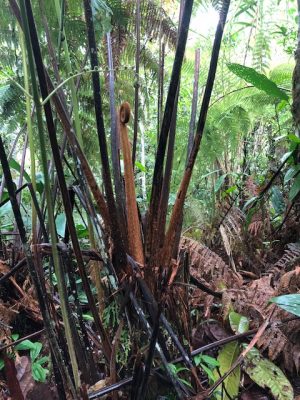
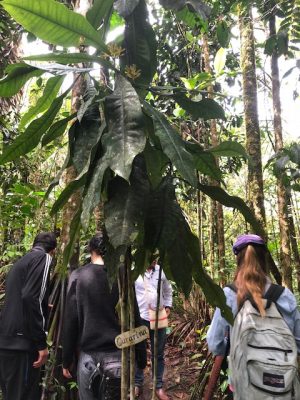
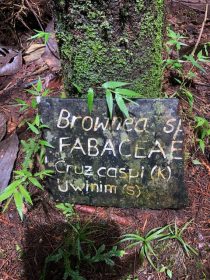
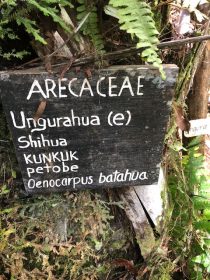
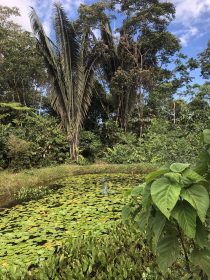
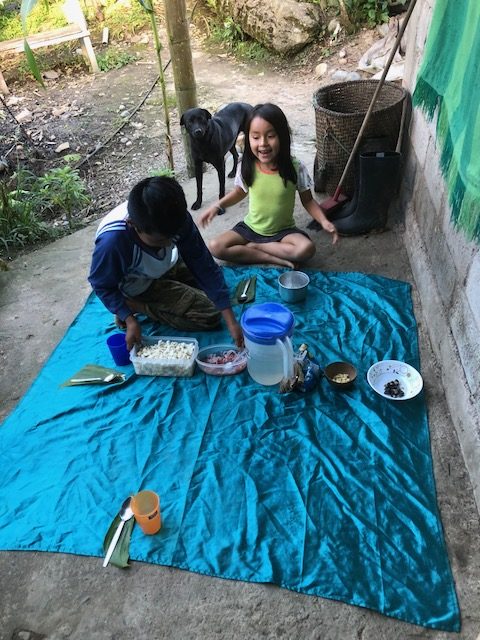
The plants of the garden are not only good for physical ailments, but are also good for mental health and a sense of well-being. I’m more at peace here in the Amazon than I have been for many months. The jungle has so much fun to provide; for example, after showering in a small waterfall, Sofia and Alejandro (her nephew) wanted to have a picnic. At first I wasn’t sure of what they were saying, but as Sofia explained and drew a picnic blanket full of food, I realized that they were using English word. They were very excited about it, and never had a picnic before. We had snails, popcorn, onion and tomato salad, hot cocoa, and salac fruit. It was tasty, and their excitement about it was contagious.

April is an herbalism major from Hanover, Minnesota.