
Week 4 & 5:
This is not a RoboCall
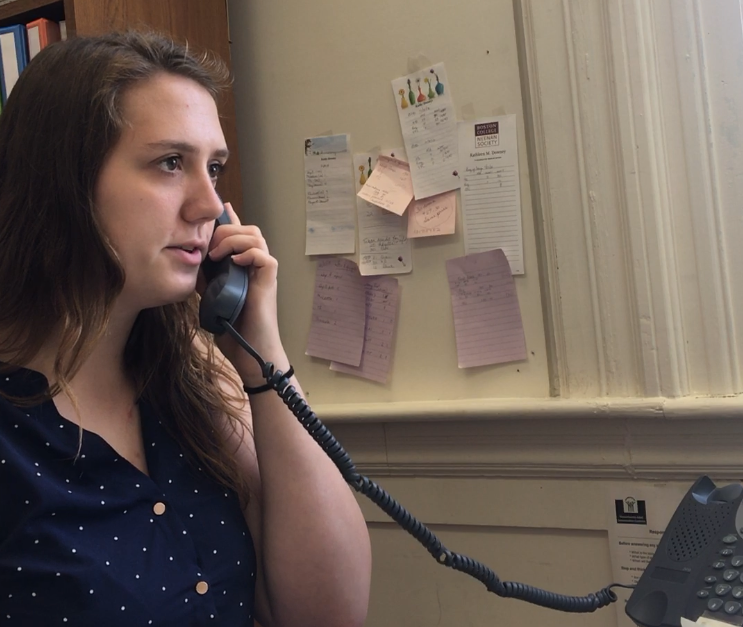
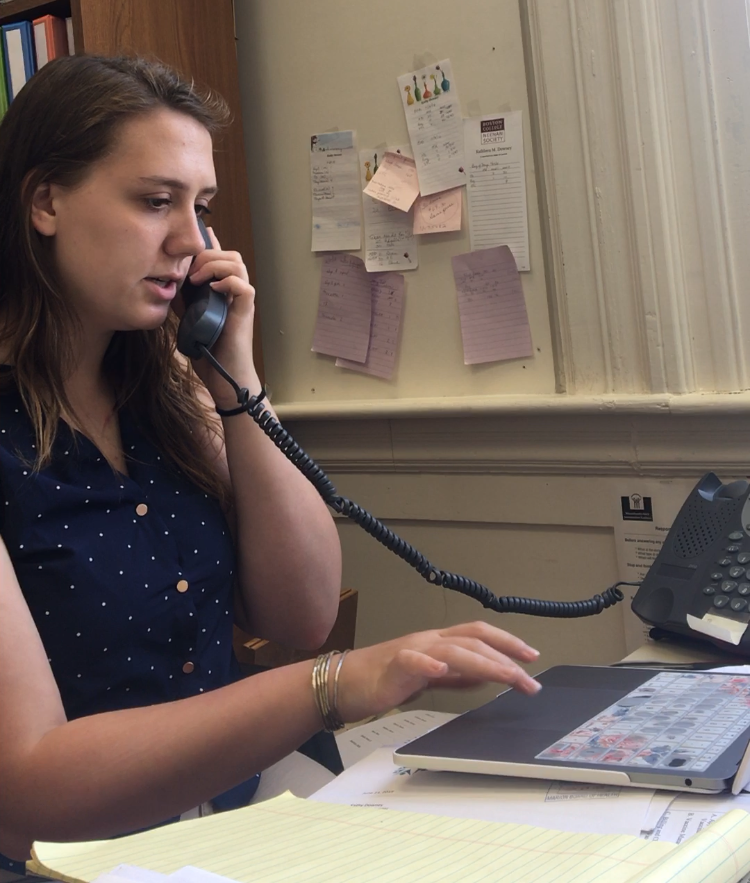
Here I am on one of over 300 calls I had to make over the past two weeks! Collecting data the old fashioned way
June 30, 2019
Hello! I know it’s been a little while and I have so much to update you all on. The last couple weeks have been a mix of traveling around the state and working on one specific project. I’ll begin by describing my project and then move into where I was able to travel as well as other fun findings.
A little while ago my supervisor and myself discussed the next major project I was to begin working on: a database of public health nursing. A public health nurse (PHN) is an individual with a nursing background that is hired by a town or city to aid in its health initiatives. Sometimes these individuals are a part of a health department and other times they are the health department. The nursing background allows them to treat ill patients, make house calls, and understand public health issues through a specific lens. At the moment, there is no database that exists for PHNs. The lack of information means there is no standard of work, credentials, or work hours. The ambiguity in the position can make collaboration difficult and cause extra stress or confusion. To relieve this stress, I was asked to create a database of nursing and illuminate the way these positions work in the state. As I mentioned earlier in the summer (see Week 1 Blog) there are 351 different cities in Massachusetts (MA), and each has their own government structure and Board of Health. Creating this required calling each individual town, in other words, I would become best friends with the office phone. It was quite daunting at first but after I started it, became much more manageable.
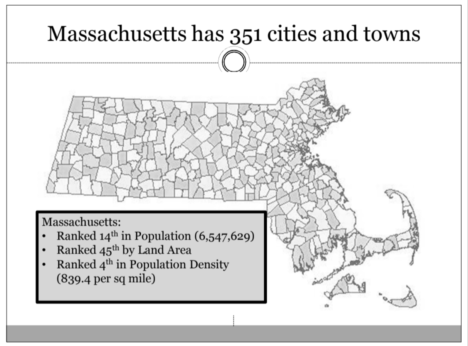
Fortunately, there is an online directory of all of the boards of health in the state with a telephone number listed. I started by copying all of the city names and numbers into a spreadsheet in alphabetical order. Next, I got the populations of some of those towns off of the census and added those to the spreadsheet. Since I’m not from the state, having the populations helped me in figuring out which towns are bigger or more likely to have a public health nurse than others. After adding all of that to a spreadsheet, I printed a map of the state area codes so as I was calling I would know the general region I was reaching out to. Finally, I began calling.
This process was getting started right around the time I had my birthday on June 19th and I was turning 21! It was a Wednesday, which means we had Memory Café on the same day. They sang happy birthday to me and the Center staff had a gift for me as well. It was a really sweet way to remember the day. A few folks mentioned to me, sarcastically, “This will certainly be a birthday to remember,” or “Are you really spending your birthday with us?” But honestly, it was a delightful way to celebrate my birthday and it will definitely be something I remember.
The next day I headed up to Boston for Global Refugee Day at the same facility I had orientation. In the morning, we had the opportunity to meet with the epidemiologists specializing in refugee and immigrant populations. It was fascinating to hear from them and learn about their work. One of the epidemiologists was specifically trained on conducting Tuberculosis (TB) investigations. These cases involve calling people that an infected person came in contact with and following up on lab tests or other notes to track the scope of the infection.
Afterwards we were able to speak with a group of community health workers who are vital to the public health work being done in the area. These are the individuals who meet with incoming families one on one and aid them in navigating the healthcare system as well as the culture around care in the United States. The final part of the day included hearing from a speaker who runs a health clinic in a northern suburb of Boston specializing in refugee health and resettlement. He spoke about his experiences as a refugee, the barriers refugee populations face, and the importance of community health workers. It was a wonderful presentation and I left the state lab much more knowledgeable about this type of work than when I arrived.
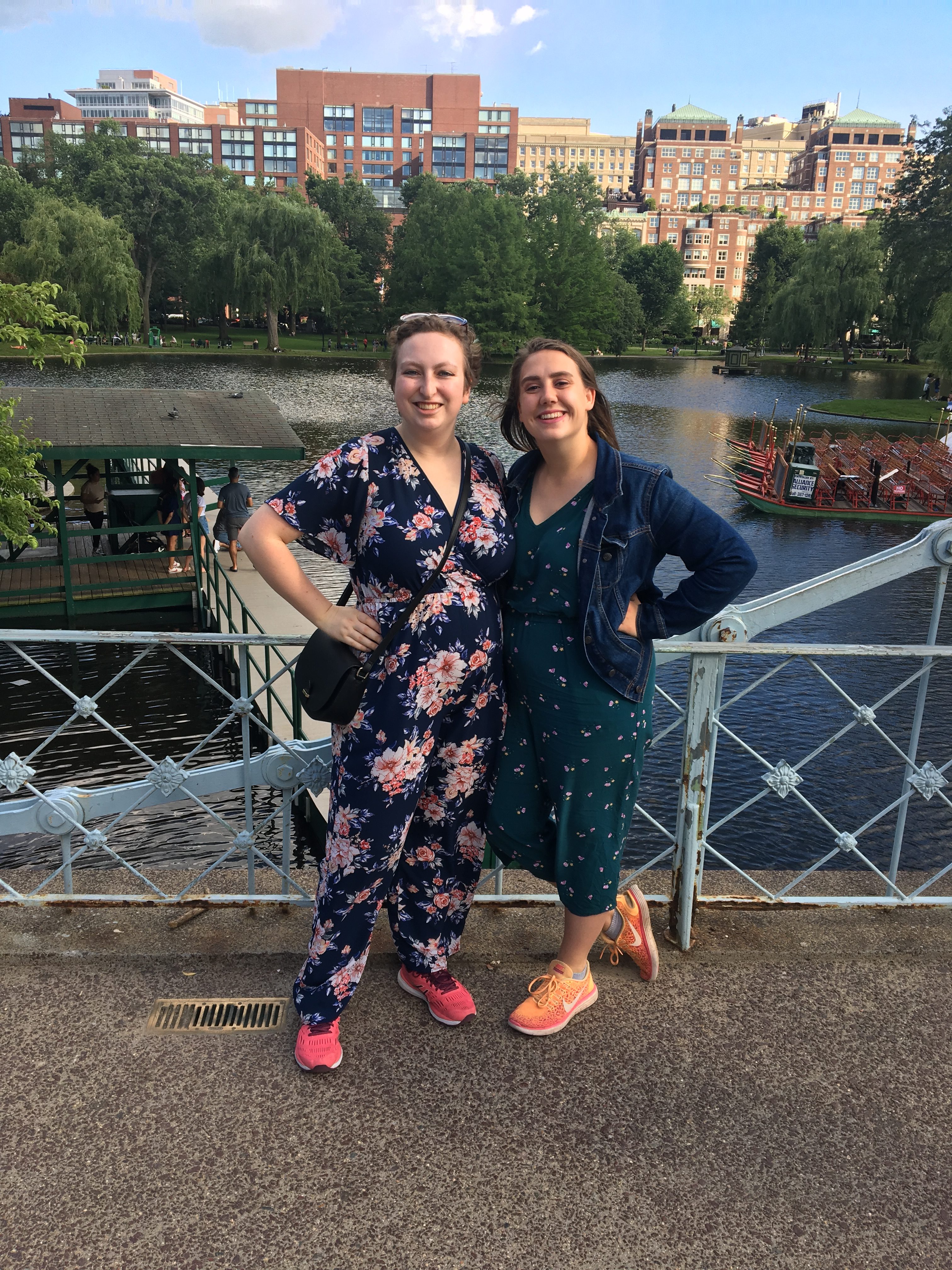
From there, I set off to spend the weekend in the city with one of my friends from High School. She also left Minnesota for college and attends Northeastern University in Boston. We touch base at the end of every semester when we’re both home but it was great to see and visit with her. We walked around Boston for most of the weekend and I arrived back to Marion on Sunday afternoon.
During that time, I had the opportunity to chat with one of the past interns under my supervisor, a former grad student of Harvard, about graduate school options and her experience. She had some incredible insight, answered all of my questions, and offered some fantastic advice.
The next week I began honing my calling process. Based on the location and who I was speaking to I changed how I introduced myself. The phrase usually went something along the lines of this: “Hello, I’m MaryJo Schmidt, an intern for the Marion Board of Health on the south coast, and I’m collecting some data regarding public health nursing. Does your Board of Health currently have a public health nurse as an employee?” Their response then led to more questions with most calls lasting less than five minutes.
I learned through these calls that a portion of cities do not have a nurse as their employee and instead contract one from a neighboring town or use what is known as a visiting nursing association (VNA). These nurses or VNA’s then can serve up to 20 different towns and offer a variety of services. In some areas, this is common place whereas in others it is disputed and it creates more questions regarding the quality of care. If a nurse has to travel to five different towns to see patients or attend meetings, how much are they investing in the community? Is their focus on overall population health or only on the individuals they are contracted to see or communicate with? I’ve also learned that some areas of MA have public health cooperatives in place and have been working together for years. The cooperatives I have communicated with remind me of the county health departments I’ve worked for in the past, the largest town in the area houses most of the people or resources and works with the other communities to meet their needs.
At the end of the week I had called all 351 cities and towns, and had learned a great deal about how public health nursing works in the state. Some of the conversations I had with the public health nurses went past the usual five minutes and we discussed what I was doing in greater detail. Almost everyone I talked to commended me for taking this on. Once I have all the data and information I need, it will be entered into a story map which can then be given to all the towns or accessed publicly after I leave. The Massachusetts Department of Public Health (MDPH) Office of Integrated Surveillance and Informatics Services has offered to give me training on this type of data mapping at the State Lab in Boston and has assisted us in creating the database thus far. Although this required a lot of work, I had an absolute blast and I look forward to building this database for people to use long after I am gone.
Fortunately, I finished my calls just in time for another this weekend of adventures around the state. My mother flew out from Minnesota to come visit me, see where I’m living, and explore more of MA with me. She has come out to wherever I’m living since my first internship in the summer of 2017, so it’s become kind of a tradition. She rented a car for this trip and we travelled to as many sights as we could!
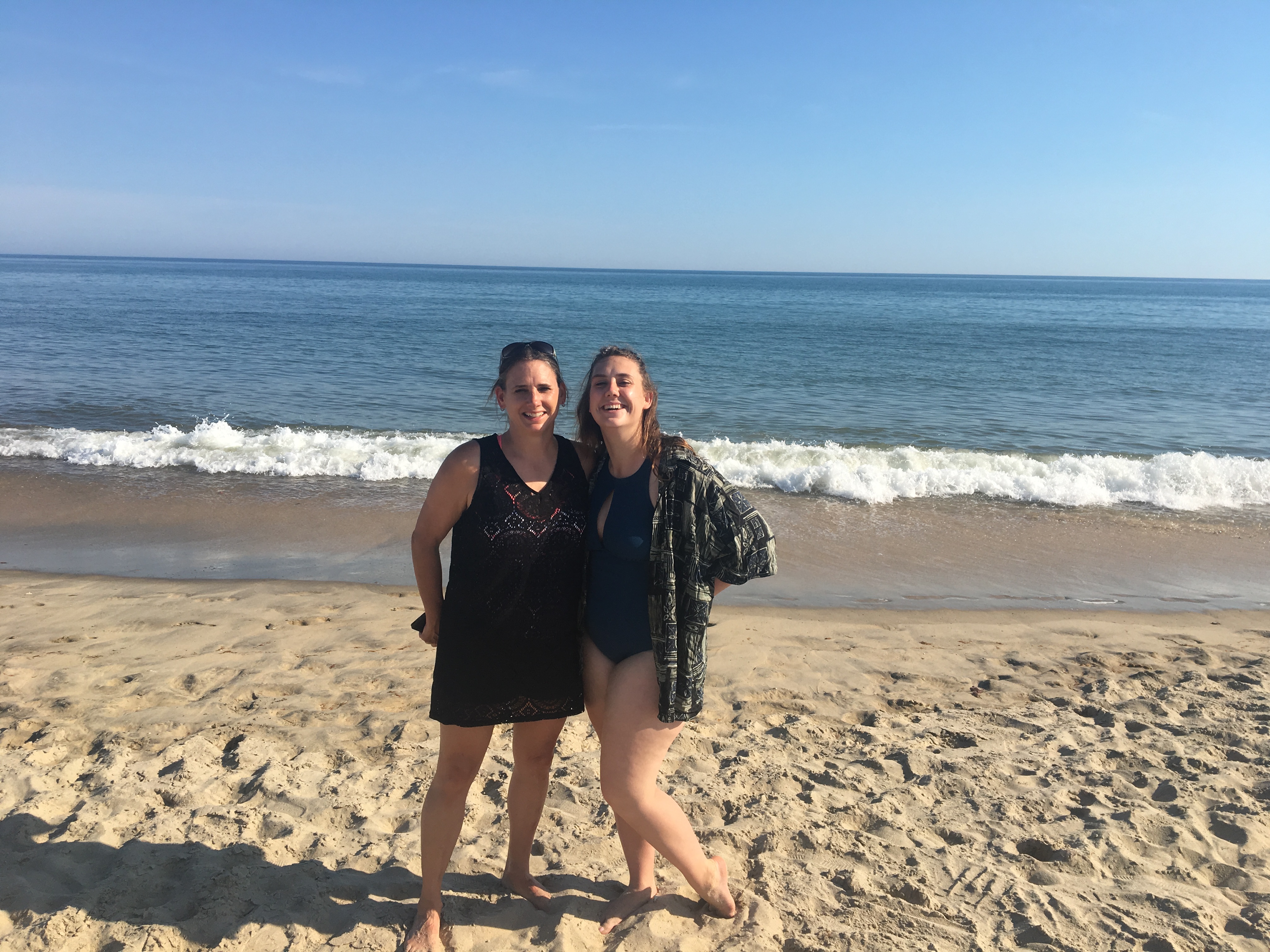
We went to the Provincetown on the tip of the cape for some fantastic views from the Pilgrim Monument, explored parts of Martha’s Vineyard together, and biked the Shining Sea Bikeway in Falmouth. I gave her tours of Marion and the surrounding area between our visits and we went out to dinner with my supervisor while she was here. This trip had been on our calendars for a while and it marks the halfway point of my time in MA. It was a blast being able to show my Mom the community I’ve made here and helps me see how far I’ve come since first arriving to this small town on the south coast. Cheers to five more weeks!
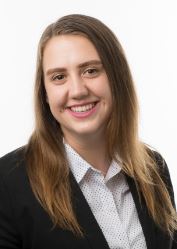
MaryJo is a biochemistry major and psychology and sociology double minor from St. Michael, Minnesota.