
Week 4:
Halfway There
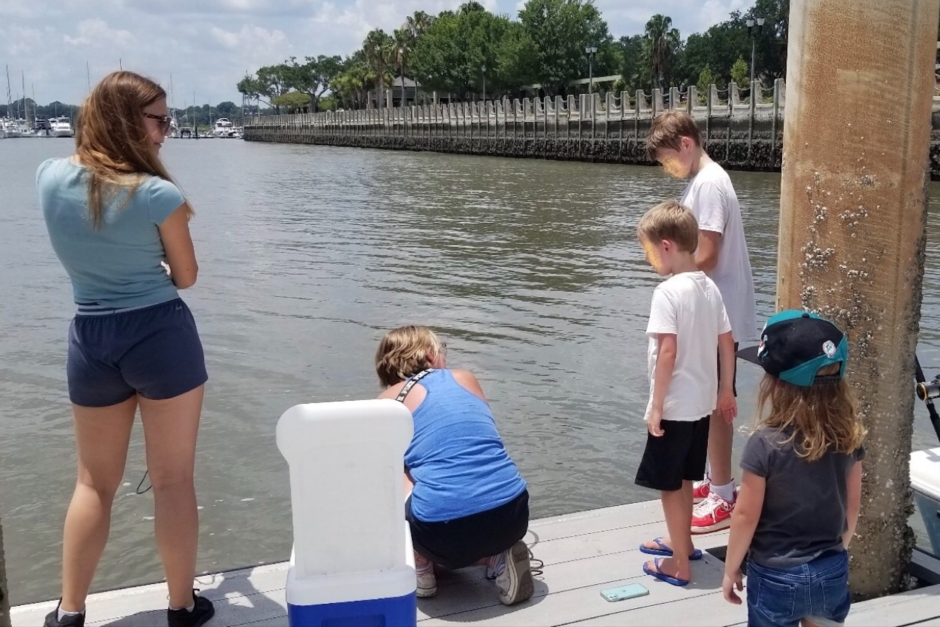
A couple of future scientists eager to know what Lindsey and I were doing with our equipment out on the waterfront.
July 3, 2020
This week marks the halfway point of my summer here in Beaufort, and it was the best week yet! With most of the materials finally having been delivered to the lab, Lindsey and I got to really dig into sampling. The first couple of times, Dr. Pettay went with us to our two sampling locations and walked us through the filtering process for each sample once we were in the lab again. But once we had gotten the hang of it, he stayed back in the lab to work on other things while we went about collecting samples and filtering them on our own. I really appreciate his trust in letting us do things independently, and it gave me more confidence and pride in the work we were doing.
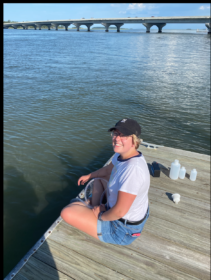
I learned a couple major lessons this week. First of all, I found the balance between asking questions and seeking out help when necessary, while also knowing when to trust myself, what I have learned, and my abilities. I have had practice with this juxtaposition in my courses at Cornell, but it is certainly a different experience when you are in a new place, working with new people, and executing a project you didn’t know much about at the beginning. There is definitely a slight imposter syndrome that comes with this experience, and I think this week alleviated that concern.
The second lesson I learned was adaptability when things inevitably get messy. In any environment, machines are bound to fail, equipment is bound to break, and things are bound to go wrong. Luckily, nothing major happened on this front, but we definitely faced some obstacles with some of our equipment and procedures both in the field and the lab. It helps to have Lindsey working with me to bounce ideas off of, but when anything did not go as we expected, we were able to calmly fix the problem- or at least find a way around it. I think this ties in with the first lesson I learned, in reminding myself that even when things go wrong, I am capable of getting through it.
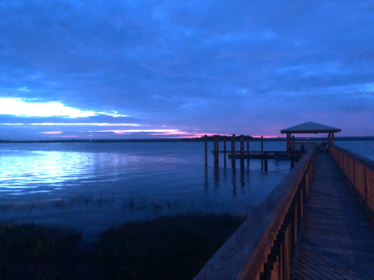
Similarly, I was reminded this week of the flexibility needed when working with nature. Just like machines and equipment not always cooperating, neither do weather and the environment. Because Lindsey and I collect two samples from each location at high and low tides, our schedules are not dictated by a normal work day, but rather the flow of tides changing. This meant one day, we had the option of collecting high tide in the early morning or late evening- which would mean being stuck in the lab filtering past my bedtime. We opted for the early day and arrived at Port Royal sound at 5:45 am. While this sort of flexibility is demanding, exhausting, and frustrating at times, the view from that morning reminded me why working in nature is worth it, as chaotic as it is. This coming week, the weather forecasts lots of storms, so I am curious and excited to see how that shapes our sampling!
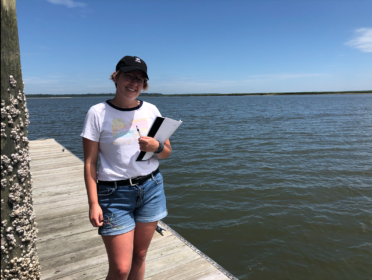
The final lesson I learned is simply how much the tides change. Okay, this isn’t really a “lesson” but more of a visual representation of something I had only ever read about. The difference between high and low tide was 9 feet in some of the places we sample! It really hit me when I was standing on the floating dock at the Port Royal Sound Foundation at low tide, looking at the water markings that high tide had left on the wooden poles well over a foot above my head. Super cool.
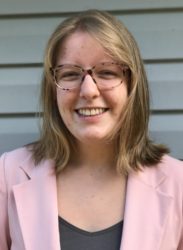
Kat is an environmental studies and Spanish major from Iowa City, Iowa.