
Week 3:
I Do It For The Cause
June 15, 2021
This is Real Life
“By age 5, nearly every child will have an episode of rotavirus gastroenteritis.” -Umesh Parashar, CDC publication
Rotavirus is an enteric virus that causes gastroenteritis and other gastrointestinal issues. The main symptom is diarrhea and resulting dehydration. Umesh Parashar CDC publication tells us that by age 5, almost everyone has had a run-in with this virus. In fact, my friend back home just told me that someone she knows got it at a wedding, as did the majority of the people there. This wide-reaching virus might seem like nothing more than an upset stomach and a date with some Pedialyte at a glance, but it is not that simple. Umesh also shares that approximately 1 in 293 children who contract the virus will die, and those in the poorest countries make up 82% of rotavirus deaths.
There are two vaccines for rotavirus licensed in the US right now, according to the CDC. However, the vaccines that have been engineered are temperature sensitive, and therefore difficult to use worldwide and in poorer countries. So, the search continues for a more reliable and widely available vaccine.
This is My Life
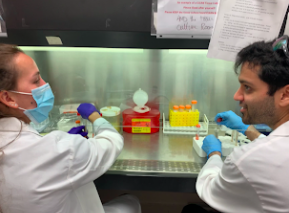
The lab I am working in this summer tests rotavirus vaccines that different companies have made. We collect data on how well the vaccine produces antibodies, how many white blood cells secrete certain contents that will help protect against the virus, and more.
This week, I was exposed to the virus for the first time. The samples I have been working with thus far have not been infected, I was simply monitoring the antibody titers induced by the vaccine. On Wednesday, we collected the first samples that were infected and continued to collect infected samples through the weekend. I learned how to process the different samples that are going to be used for different tests, which will all lead back to an analysis of the efficacy of the vaccines we are currently testing.
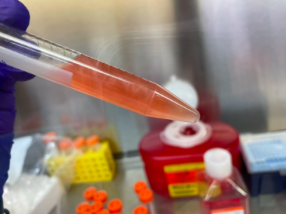
Working with samples that I have helped collect, and will run tests on to determine antibody titers, antigen titers, and more in the future, is extremely exciting. It is so interesting to be a part of something for the whole process – collecting samples, processing them, running the necessary and desired tests, and then analyzing and summarizing the data…Every scientist’s dream! Well, at least mine. I have tested samples that were collected before I arrived in Virginia for this summer adventure, and it just does not elicit the same feeling of excitement I am feeling about working with samples I personally helped to collect. I never would have known this about myself if I were not here doing this research. I am so excited to continue to develop my feelings for this type of research and environment.
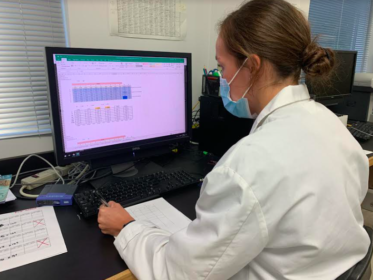
I am also beyond excited to have the opportunity to contribute to the worldwide problem of rotavirus vaccines and infections. The work my lab and I are doing is globally important, and it is rewarding to see all of our work building something meaningful. It makes me not want to leave at the end of the summer!
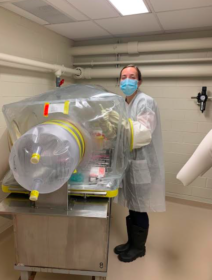
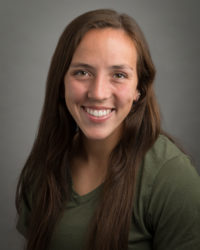
Samantha is a biology major from Evergreen, Colorado.