
Week 9:
Raccoon Radio
July 23, 2022
It was another amazing week working at the Saint Louis Zoo Institute for Conservation Medicine!
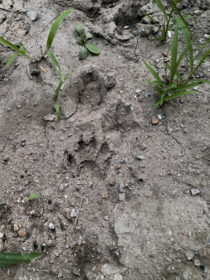
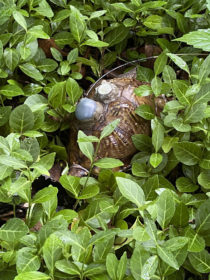
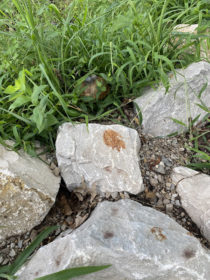
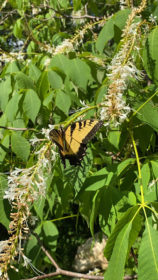
This week we started by tracking all of the study turtles in Forest Park. We were able to locate all eight of the study turtles and record their location using GPS. Two of the Forest Park turtles, Ainoa and Kennedy, had spent the past couple weeks away from their normal patches. This week, they both returned to their usual stomping grounds. While tracking the turtles, I found some tracks of a different kind that were left by a raccoon. I was also able to see an eastern tiger swallowtail butterfly that stood still just long enough for me to get a quick picture. Overall, it was another successful day of turtle tracking!
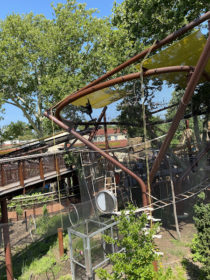
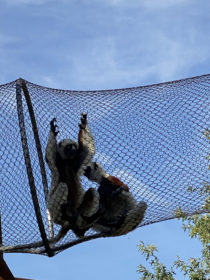
On Tuesday we worked in the office reviewing camera trap footage and preparing for microbiome sampling. We also had the chance to take an interns-only tour of the zoo’s newest exhibit, Primate Canopy Trails (PCT). The PCT exhibit is home to the zoo’s monkeys and lemurs and is state-of-the-art both in terms of animal care and guest experience. The animals have the choice to spend time in a variety of different spaces throughout the exhibit and to practice natural behaviors in the ample vertical space. It was amazing to see the hard work and dedication that went into planning the exhibit and the choices it gives to the zoo’s smaller primates.
Another incredible aspect of this exhibit is education about threats facing primates and other animals around the world. One of the largest threats facing many animals that come from the tropics is palm oil. Palm oil is an incredibly productive crop that produces more oil per acre than any other crop. It is found in many daily products from food and drinks to cosmetics and soaps. One of the problems that arises from palm oil is habitat destruction to create new palm oil plantations. This leads to drastic reduction in habitats for animals like orangutans, tigers, elephants, and a range of other wildlife. Using sustainable palm oil can help protect these animals’ habitats while also using less space to grow oil than other crops. The Cheyenne Mountain Zoo developed an app that allows you to scan products as you shop. You can even send companies an email directly through the app to request the use of sustainable palm oil! The app is called Palm Oil Scan and is free to use!
We got an early start to our day on both Wednesday and Thursday working on the Forest Park Living Lab project that is a part of the Living Earth Collaborative (LEC). The goal of this project is to collect baseline health and movement data for a wide range of animals in an urban setting to better understand how different species utilize the environment. The turtles that we track as part of the St. Louis Box Turtle Project are also a part of this study, along with several common snapping turtles, raccoons, and a great horned owl.
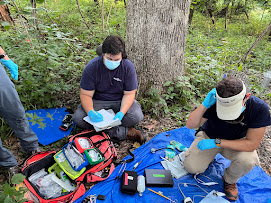
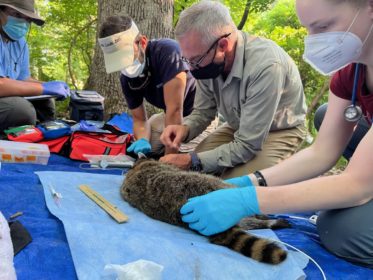
This week, we were able to collect data from three new raccoons and an opossum before releasing them back into the park! I was able to help with the anesthetic procedures and sample collection for all of the new LEC animals before processing them in the lab. One of the raccoons was also fitted with a radio telemetry collar to track his movements in Forest Park. It was incredible to be a part of, and I even got to listen to a raccoon’s heart and lungs.
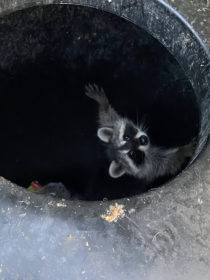
- A baby raccoon in a trash can near our field site in Forest Park.
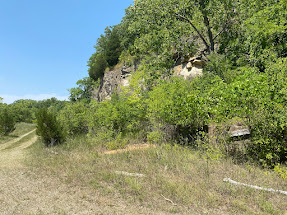
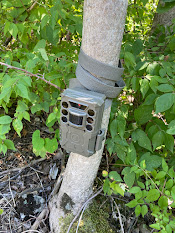
At the end of the week, we headed out to Tyson Research Center to track the three-toed box turtles and change the SD cards on the carnivore project trail cameras. It was an incredibly hot day, but we were able to locate all seven Tyson turtles and download their iButton data while fighting ticks and spider webs.
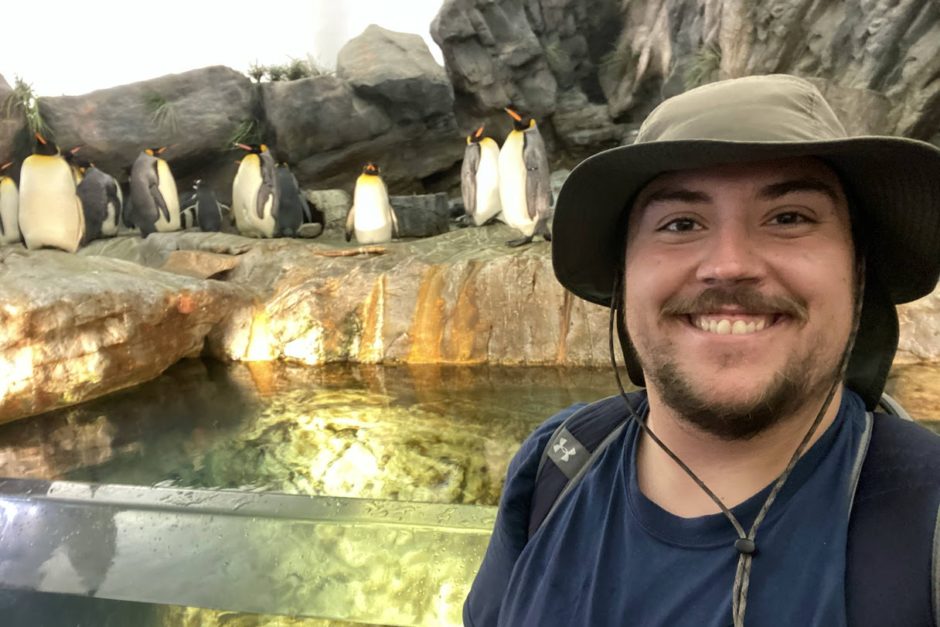
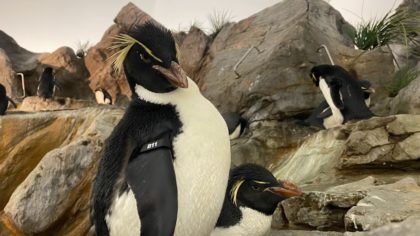
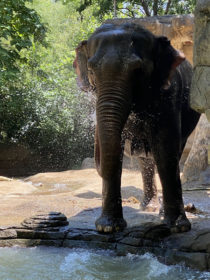
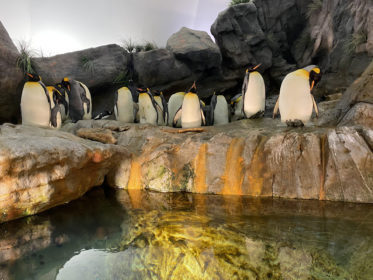
Some of my favorite pictures from the week included rockhopper and king penguins, and one of the zoo’s Asian elephants cooling off in River’s Edge.
Nate is a biochemistry and molecular biology major from Colorado Springs, Colorado.