
Week 3:
Mayo Clinic
June 10, 2013
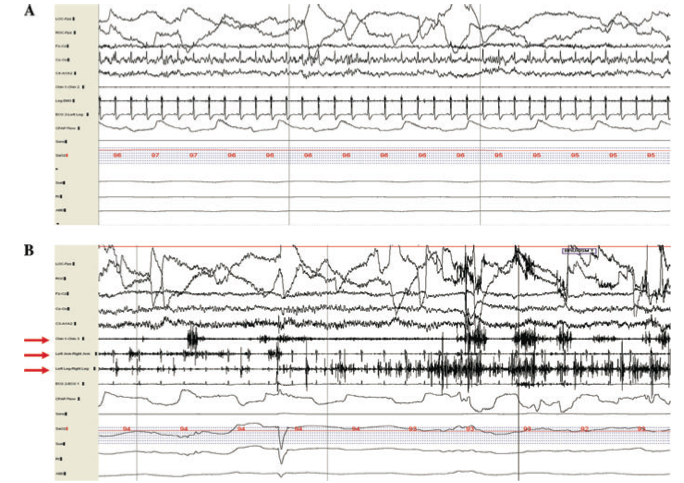
This week I continued learning about REM sleep behavioral disorder. As I mentioned before, REM sleep behavioral disorder (RBD) is the enactment of dreams during REM sleep. Approximately 0.5% of the general population is affected by RBD, the majority occurring in men. In order to be diagnosed with RBD a patient must (1) have dream enactment and (2) REM sleep without atonia (RSWA) as illustrated on the polysomnograph. Typically, patients with RBD have over 25% RSWA. In the lab, we are learning how to quantify RSWA by scoring muscle movements that occur in the chin, leg, and arm during REM sleep. The polysomnograph is divided into 30-second epochs, where we score phasic and tonic muscle activity. One of the aims of this study is to determine whether the amount of RSWA varies to the underlying causation of RBD.
On Wednesday, I attended a conference regarding shared decision making and personalized treatment. In general, over 50% of patients wish to have an active role in their medical decisions. A visiting doctor presented on this topic, which had an underlying focus of Crohn’s disease. Crohn’s disease is an inflammatory bowel disease. The symptoms aren’t severe in the beginning, but if untreated they can become complicated very quickly. He emphasized the importance of patients understanding their disease and making informed decisions about their treatment. In the case of Crohn’s disease, patients did not realize the severity of the disease, leading them to choose not to take medication. The visiting doctor has been working on a Decision Aid, a personalized report showing the risks and benefits associated with certain treatments.
In addition, our survey-based project regarding epilepsy was recently approved by the Institutional Review Board (IRB). We had a lab meeting on Friday to discuss the aims and hypotheses of the project. The project will analyze the quality of life as well as the occurrence of sleep disturbances, such as sleep apnea and insomnia, in epileptic patients. The following week I will be doing literature review concerning sleep epilepsy co-morbidity to prepare for the project. We hope to mail out the questionnaires by late June/early July.
“While medicine is a science, in many particulars it cannot be exact, so baffling are the varying results of varying conditions of human life.”– Dr. Charlie Mayo
Major: Biochemistry & Molecular Biology. Hometown:White Bear Lake, Minnesota.