
Week 1:
Baruch Institute for Marine & Coastal Sciences
May 20, 2013
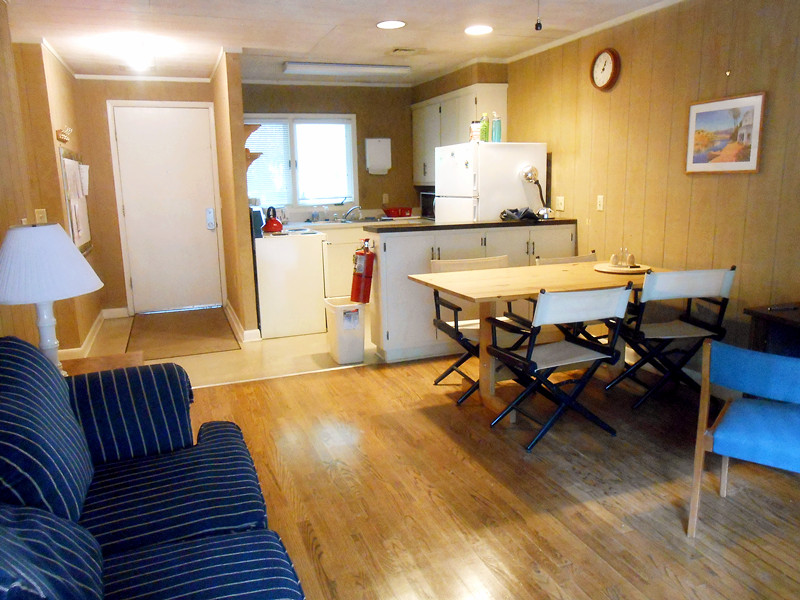
It has been a really nice week since I first landed in the semi-tropical, forested South Carolina. The huge pines on the side of the road, different kinds of birds, and skinny squirrels are all reminders that I’m not in Iowa anymore. Dr. Dean, who funded my internship, showed me around the town and helped me move into my place, a cottage which is a 7 minute drive to the Baruch Marine Field Lab. The Belle W. Baruch Foundation, a private organization which owns the 17,500 acre wildlife preserve called Hobcaw Barony, maintains and secures the property as well as operates the Hobcaw Barony Discovery Center in cooperation with the North Inlet-Winyah Bay National Estuarine Research Reserve (NERR). The University of South Carolina is mainly operating marine science programs on this property. The marine lab consists of the “main marine lab” – where all the offices of faculties, classrooms and different kinds of labs are, the North Inlet research field, and the Winyah Bay research field.
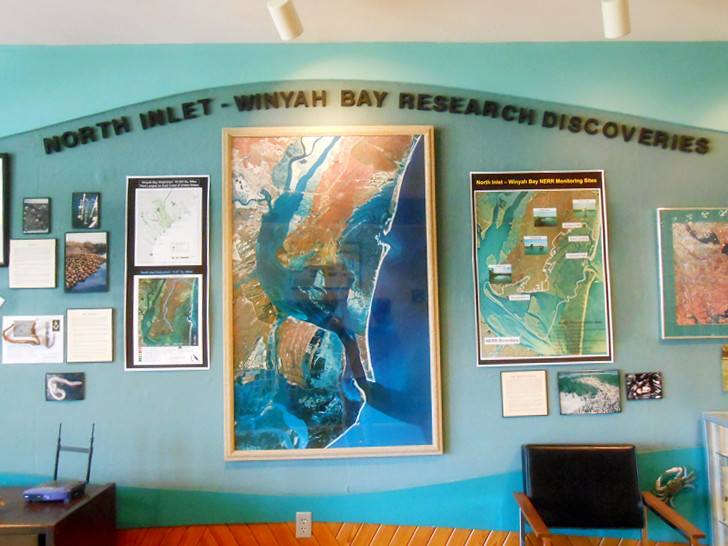
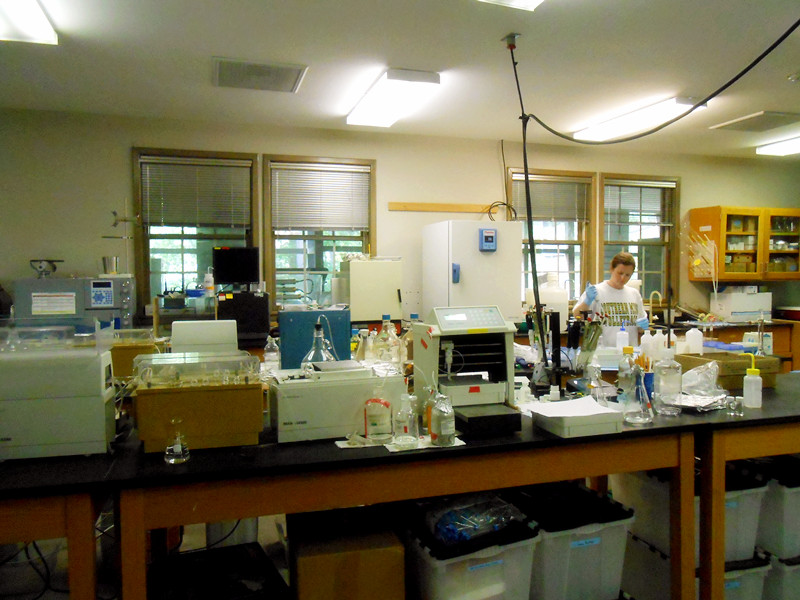
Dr. Dennis, the director of the marine lab, showed me around the main marine lab and their facilities. I also met my mentor Dr. Erik and his technician Tracy, who are both funny and very friendly. On the first Monday, Tracy took me on a tour of where I will be doing most of my work: the salt marshes in the North Inlet.
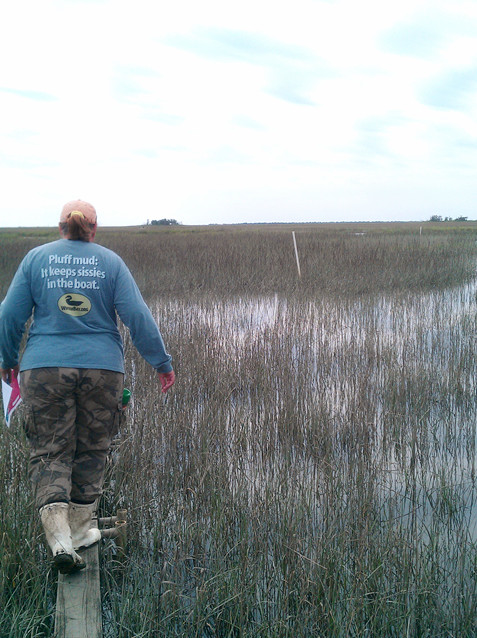
My primary task is to put out tiles during low tides and collect them after the area has been flooded by two high tides – roughly 24 hours after I set them out. The area that I’m working in has two 13 spots from which I can collect data. Unfortunately, good data is hard to collect, because if it rains during a low tide, the data must be abandoned. As such, it’s good practice to pray that it doesn’t rain during a low tide. After I collect the tiles in labeled containers, I bring them back to the lab and start cleaning them with a squirting bottle and a brush. After that, I transfer the watery sediments into small tubes, which I then process with a centrifuge in order to separate the sediments from the water. Afterwards, I will put the tubes into the big oven and wait them to dry for further analysis. This was what I was told I would do. Simple, yes? Unfortunately, reality is often more complicated than what’s in the job description.
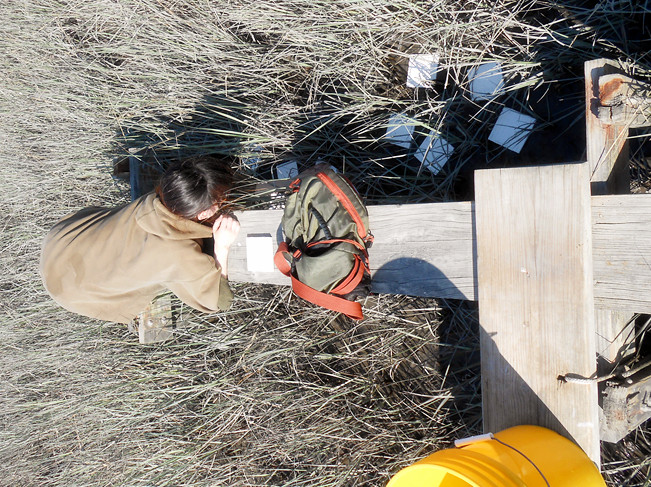
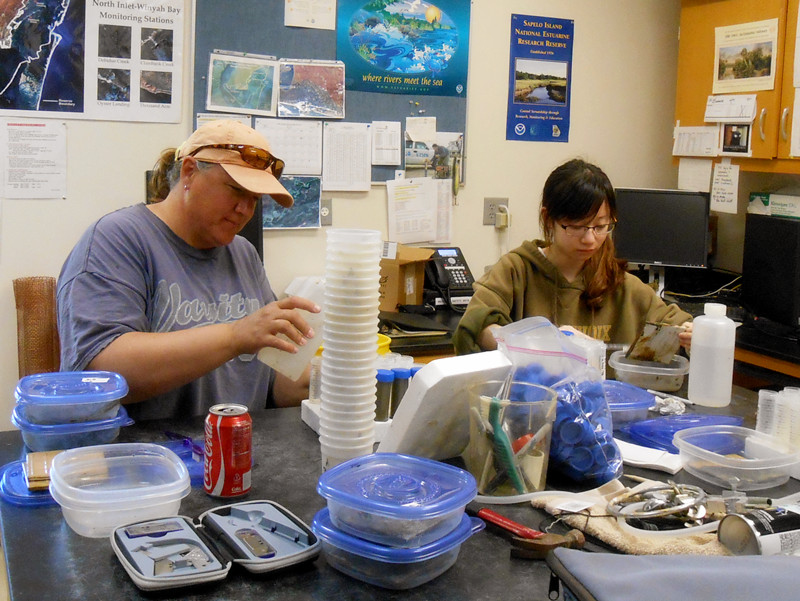
Carrying 65 tiles and all of the necessary equipment to the field on my own is difficult for someone as small as me. Three days of sore muscles can attest to that. Additionally, the weather continues to make its way towards Hades-level temperatures. The mosquitoes are hardly friendly, and they’re always able to find that one spot left unprotected by bug spray. Worst of all, however, is that while it’s only a seven minute drive to the field site, I don’t know how to drive. I’ve wanted to learn, but I’ve never gotten the chance to do so. My mentors were quite surprised when they found out that not only do I not have a driver’s license, I cannot drive, either. Tracy, being the kind woman she is, decided to pull out her manual transmission truck, and start teaching me how to drive. I could be wrong, but this may end up being what I’m most thankful for this summer. So far, I have gone on two practice trips, and I’d say the learning process has, thus far, gone well. As for the data part, I put out two sets of tiles and then collected as well as processed both sets (thanks to a clear sky.) Between adapting to the new coastal environment, meeting new people, making friends with my new roommate Rachel, conducting the first-stage field and lab work, learning to handle a big truck, and trying different kinds of DIY dishes, I’d call this first week a success.
Major: Geology. Hometown:Xi’an, Shaanxi, China.