
Week 2:
Baruch Institute for Marine & Coastal Sciences
May 27, 2013
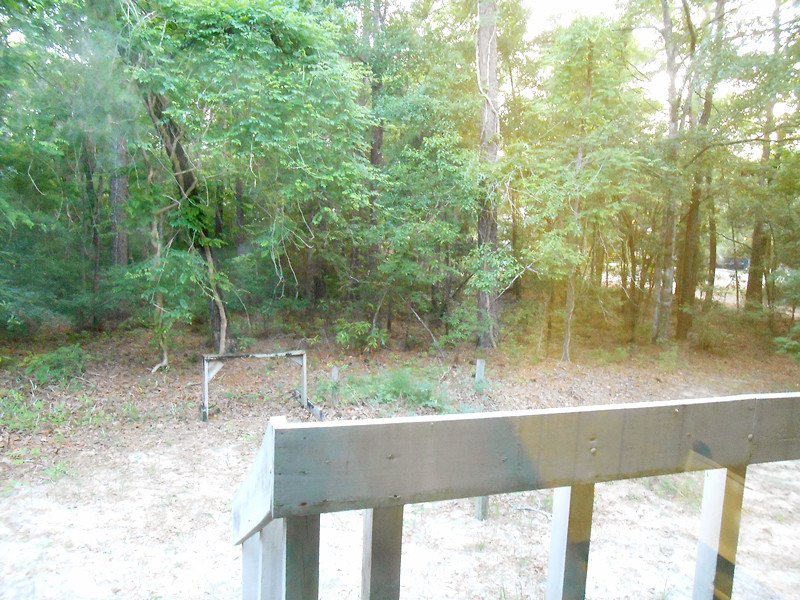
After my second week, I think I’m getting used to this environment. The air is hot and thick. It sticks to my skin; an unshakeable coat. The swamps turn to mud after the thunderstorms visit in the early evenings, and the air oppresses me further. But when the rain comes it’s not so bad, save for the fact that my samples get ruined. The lightning from the storms is also a potential threat, so the storms make our work significantly more difficult.
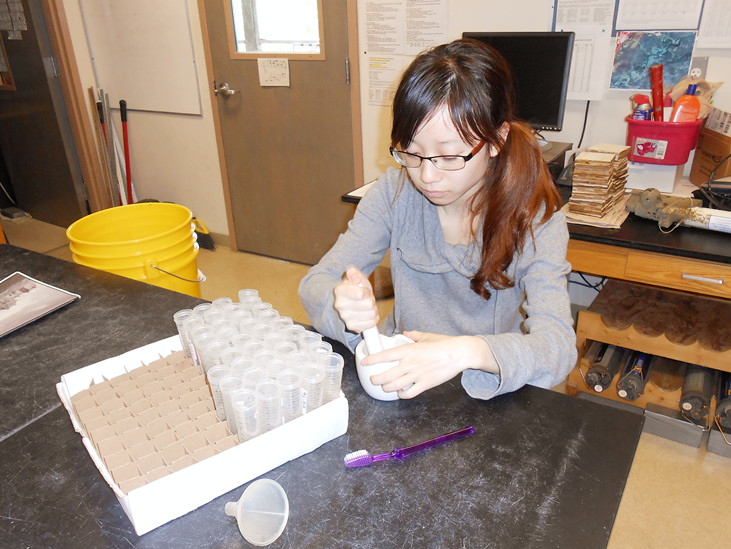
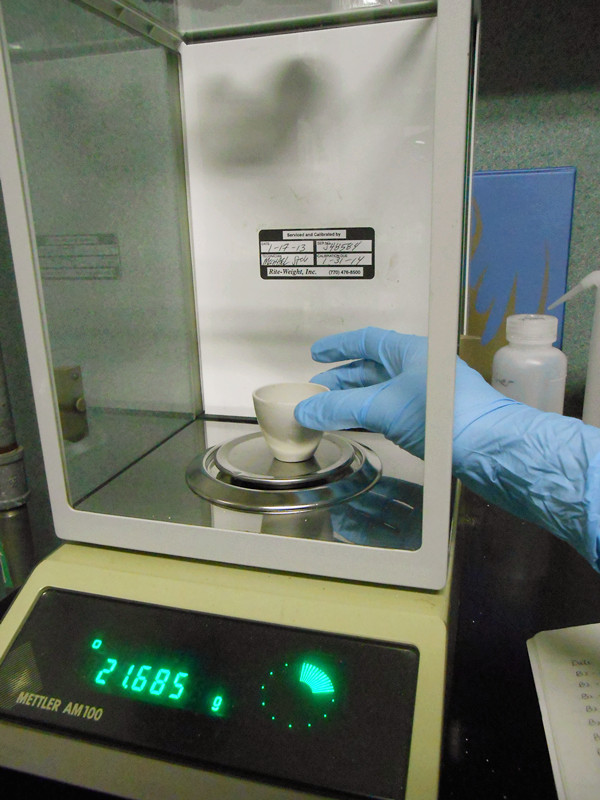
As with the first, the second week has been a useful learning process. I learned how to obtain the organic/inorganic ratio of each sample (found by grinding the oven-dried samples into a powder so that they will burn thoroughly during combustion and weighing each crucible when empty, with the sample, and with the ash that remains after combustion. Since the organic matter burns, and the inorganic matter does not, the calculation to find the ration is simple.)
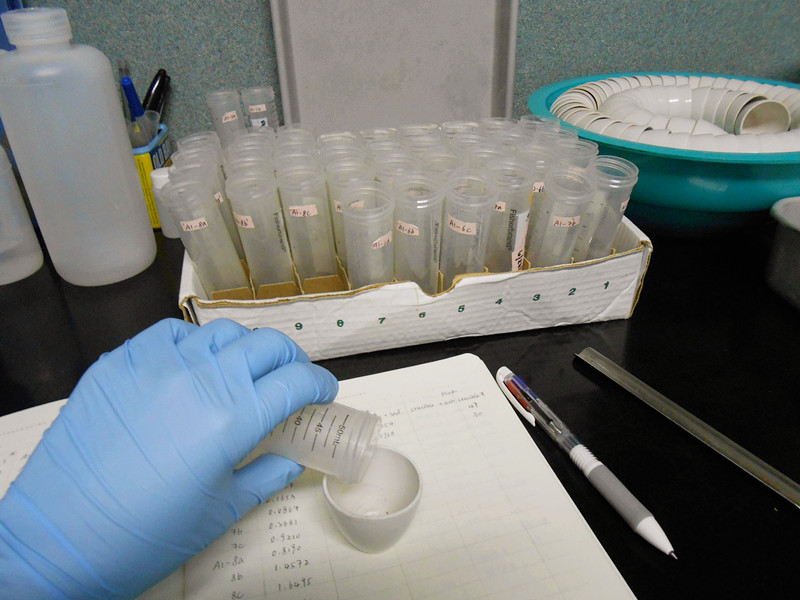
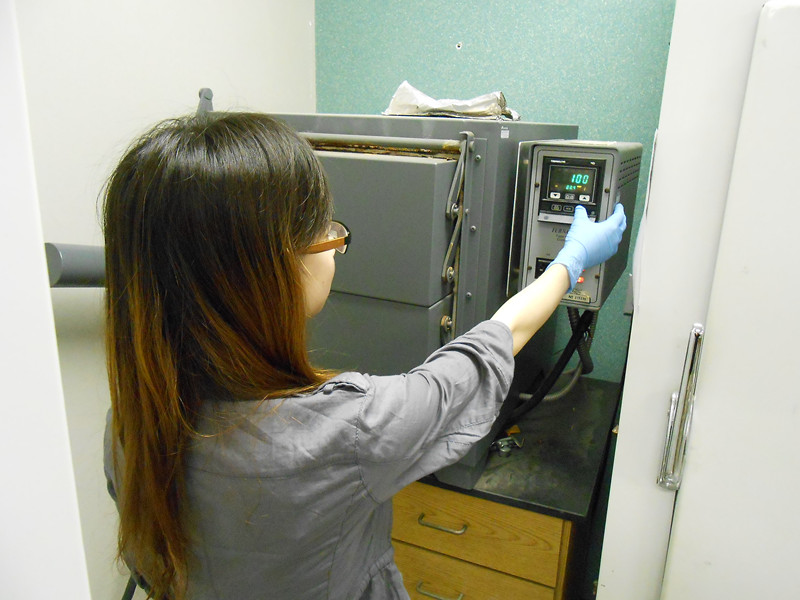
Each sample is processed in the muffle furnace. To start the combustion, I set the temperature acceleration (in degrees Celsius per minute) and a few other adjustments. On start-up, the machine will heat up to 500°C and burn for eight hours.
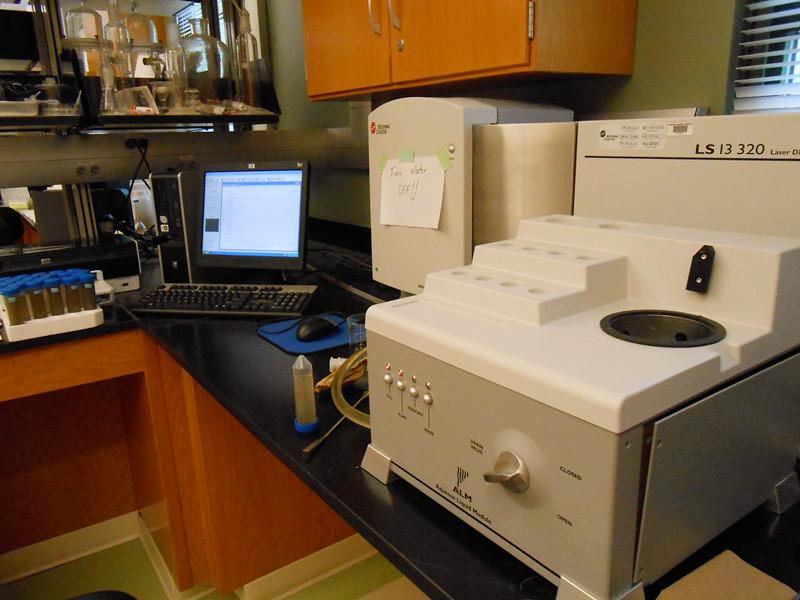
During this second week, I also met my third mentor, Ani. He is a professor from Clemson University who currently conducts research in the Hobcaw Barony. Kind and friendly; he patiently led me through the necessary procedures for making use of the particle size analyzer – another very important skill I have already gained in my time here. The particle size analyzer is fickle, to say the least. It jams with only a smattering of stems or grass, it claims that its hatch is open while it is fully closed, and the noises it makes during operation do not sound the way a properly functioning machine should. The lesson to be learned here, of course, is that one must treat highly sophisticated machinery like a baby. They have temper tantrums, and their fragility is unrivaled, but they also have good moments that leave you in awe, mouth agape at the wonder of it all.
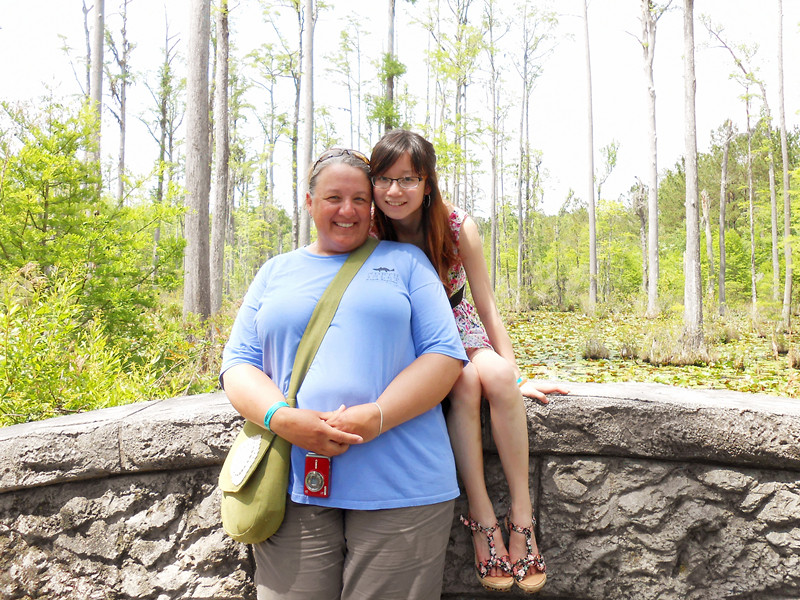
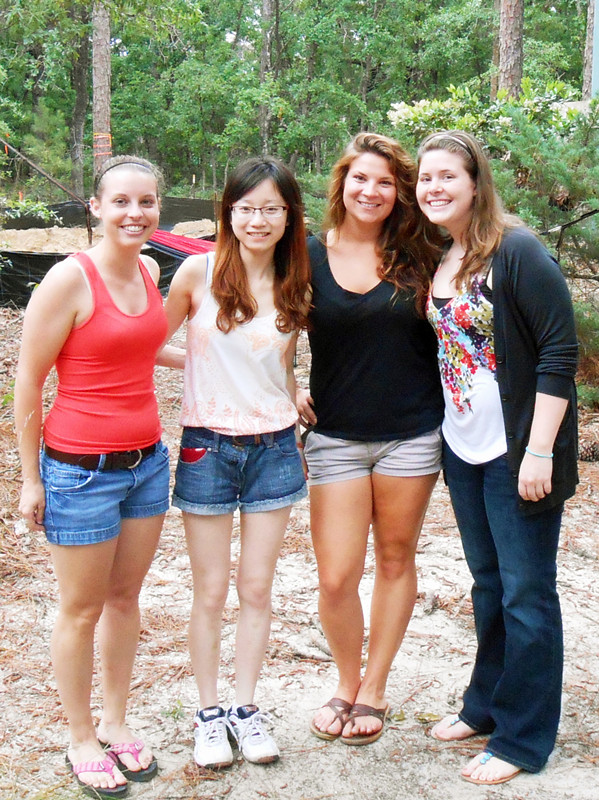
While the skills I have learned here are certainly beneficial, I have to say that the kindness of those that I work beside is touching. My mentor Tracy has acted the role of my mother – she takes me to buy groceries, worries about me when I work in the field, and has taken me to the beautiful Cypress Garden – a local travel spot. On top of all that, she has invited me to lunch with her friends and movies on the weekend so that I’m not so alone in my cottage. After mentioning that I was in need of a long-sleeved shirt (as I had brought none with me), Susan, another technician, bought me a hoodie the next day. Rachel, my roommate, is a master’s student at USC, and is also very sweet. She invites me to picnics with her friends, and she shares her collection of movies with me. While all the friends I made here are more experienced in the field and the lab than I am, their patience with me is encouraging. While I am not from here, this place has already become my home. As I go forward, I will keep a humble heart, and I will embrace the friendships and experiences that I have gained.
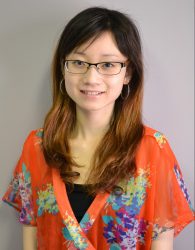
Major: Geology. Hometown:Xi’an, Shaanxi, China.
PreviousWeek 1: Baruch Institute for Marine & Coastal Sciences
NextWeek 3: Baruch Institute for Marine & Coastal Sciences