
Week 7:
Abstracts, Mapping, and Zoonotic Diseases – oh my!
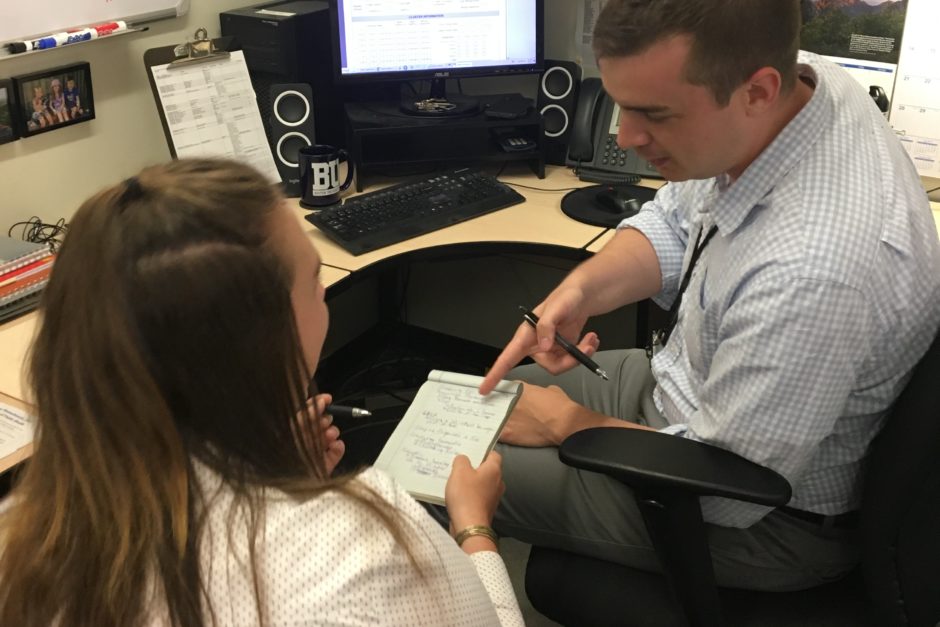
Shadowing an Epidemiologist at Massachusetts Department of Public Health! Read more about my experience below!
July 14, 2019
At the start of the week, I began calling all the locations in the state that I needed more information on or who hadn’t picked up regarding their public health nursing. As I mentioned earlier, there is a lot of crossover, collaborations, or shared contracts within Massachusetts, making the way Public Health Nursing works hard to discern. For the most part I wanted to talk to collaborative groups to figure out more about their roles and history. These remind most of the county health departments common in the Midwest. I have learned through gathering this data that Western Mass, or the more rural areas of the state, are more likely to have these than the other areas of the state. This is, in part, because the small towns do not have as many resources and in pooling those resources, they can provide better services.
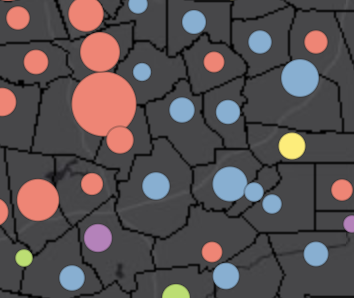
I also got started using the Story Map software (a part of Arc GIS) and learning about its various features. Some of the example maps are fascinating and they show me just how much I may be able to do. One of my favorite features is looking up “American Community Survey (ACS)” maps that others have produced and shared online. The ACS is the official title of the Census database, but in these maps, all that census data has been uploaded for you! I’ve had to do that type of mapping before and it gets to be rather tedious so having a program that does it all for you is amazing. I’ll be honest, I kinda “geeked out” when I first learned about the feature. With this software, I can upload my own files to be mapped, which is where the data I’ve been collecting comes into play. How exactly I plan on mapping it, though was one of the major questions my supervisor and I had, but luckily, we had plenty of help.
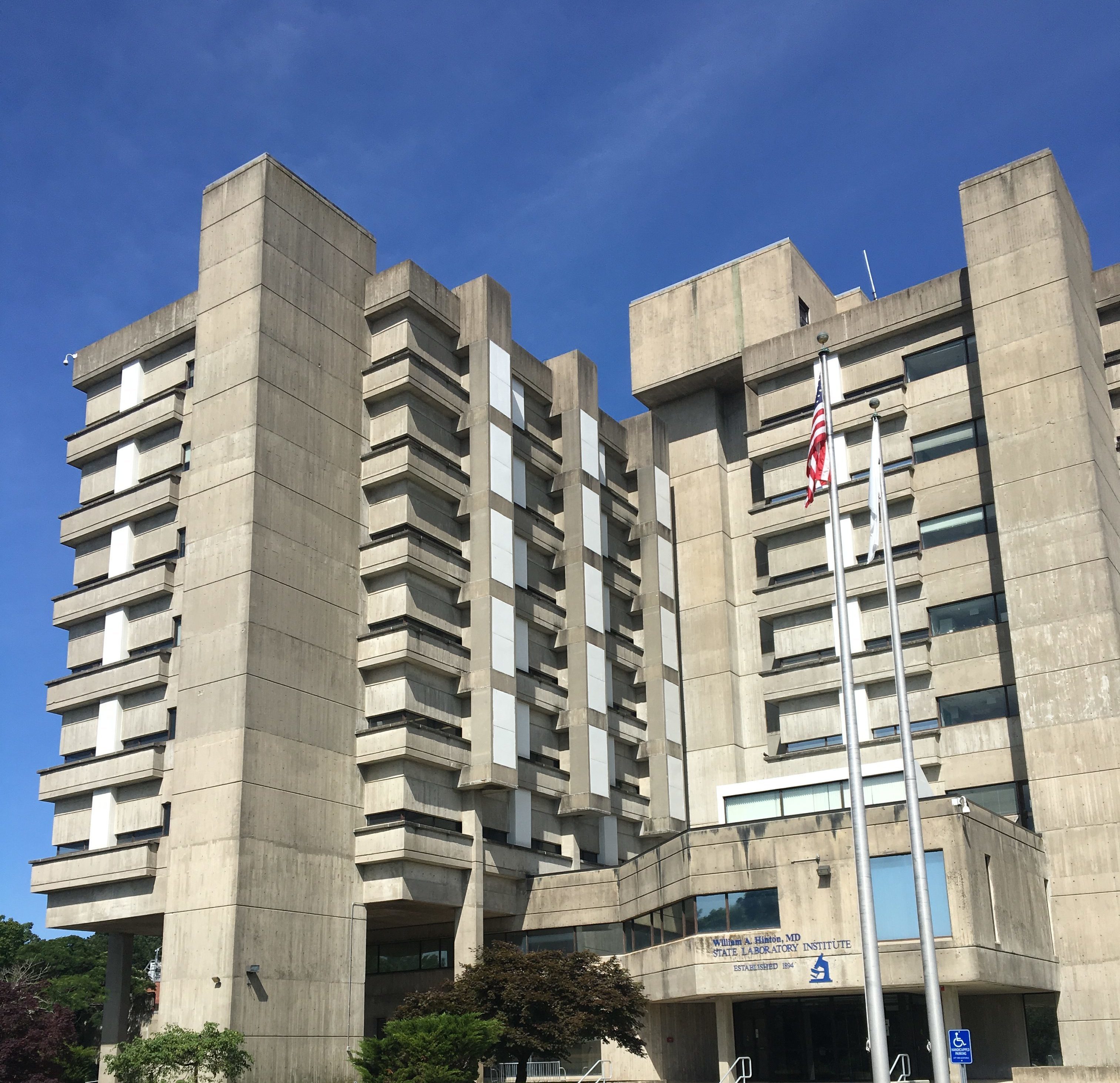
I was able to head up to the state lab during the week to visit the Office of Integrated Surveillance and Informatics Services (sometimes referred to as ISIS, terrible acronym, they’re aware) to answer some questions and get a little more training on how to import my data. The person I was able to meet with is one of only a few people trained on the software. He gave me a lot of pointers and advice regarding how to package my data, the ways I may still need to organize it, and some guidance on what may be most important to put in my abstract. It was super helpful and the guidance was definitely appreciated. I had most of my questions answered but I know once I start using the software I’ll have more. Nonetheless it’s great to know I have someone who is available to answer my questions.
The most exciting aspects of this week were getting to shadow an Epidemiologist in Infectious Disease at the State lab. Fortunately, the day I was shadowing was the day I met with the people from the ISIS office, and they’re located on the same floor, so I went from one office right over to the next. The epidemiologist (which I may refer to as the Epi) I was shadowing works in zoonotic diseases. These diseases are those which transfer from animals to humans. This encompasses a wide range of illnesses including rabies and tick-borne illnesses. Each Epi tracks these diseases in a software known as The Massachusetts Viral Epidemiologic Network (MAVEN) which specializes in disease surveillance.
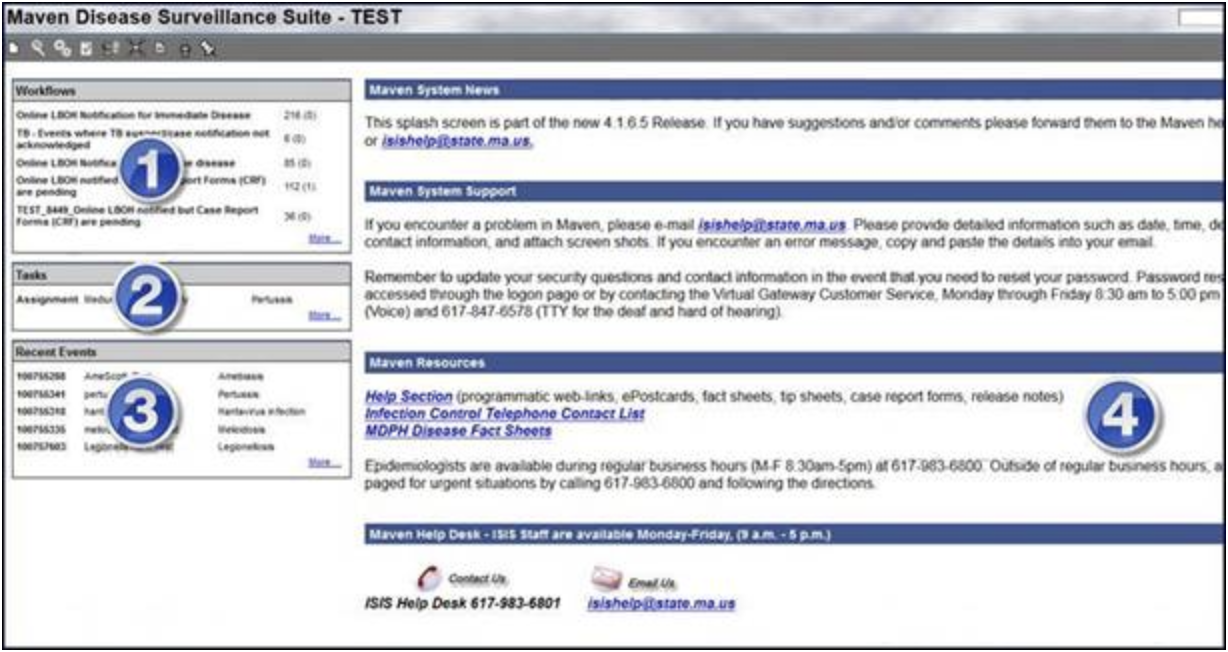
It works by notifying the state whenever a positive lab result for an infectious disease has come in at any of the hospitals in the state. Then the Epi’s at the state lab either delegate those to the Public Health Nurse in the area or do the follow-up themselves. This work entails calling the person who was tested, or the hospital if there’s no name listed, as well as anyone they may have come in contact with if it’s a communicable disease. In the protocol for contacting individuals is a series of questions programmed within MAVEN for each specific disease with the purpose of learning where they might have gotten the infection, gain data on spread, and means of transmission to survey the disease. Since I work under a PHN we’ve done a few of these follow-up calls and I’ve been able to see how it works. However, I have not done extensive work in MAVEN so some of these details may not encompass all that it does or all of the work that goes into using it.
As I was shadowing the Zoonotic Epi, he explained that almost all of his work is in MAVEN. That is how he tracks, locates, and communicates with individuals to show the larger trend of zoonotic diseases in the state. He mentioned that they do delegate most of their cases to Public Health Nurses, but they have to be patient and understanding. As with my supervisor, PHN’s are doing more than just MAVEN work so they cannot expect to have a case completed as soon as it comes in. If there isn’t a PHN or if the disease is in a specific risk category, it is managed entirely by the MDPH Epi and they do the follow-up. This process is directly related to the project I’m doing and the information I am gathering. By knowing exactly how many nurses a town has or which towns a nurse is serving, the Epi’s at the state lab can better delegate these cases and track diseases more precisely.
A key detail in this work was the importance of organization. Every Epi has to be on top of their workflow. They must keep the cases separate and stay on top of every case detail even if there’s 15 rabies cases in one day. MAVEN is fortunately fairly user friendly which helps but it can still get to be a lot. I can’t go over the specific cases I was able to see the workflow on but I learned a lot about zoonotic diseases, a term I didn’t know the definition of before this day. I asked the Epidemiologist I was shadowing why he chose this specific field and he said it was mostly because “every day is different and I get to do a lot of outreach.” This made me rethink some of what I know about epidemiology, and gave me some insight into what type of epidemiologist I might want to become after I graduate.
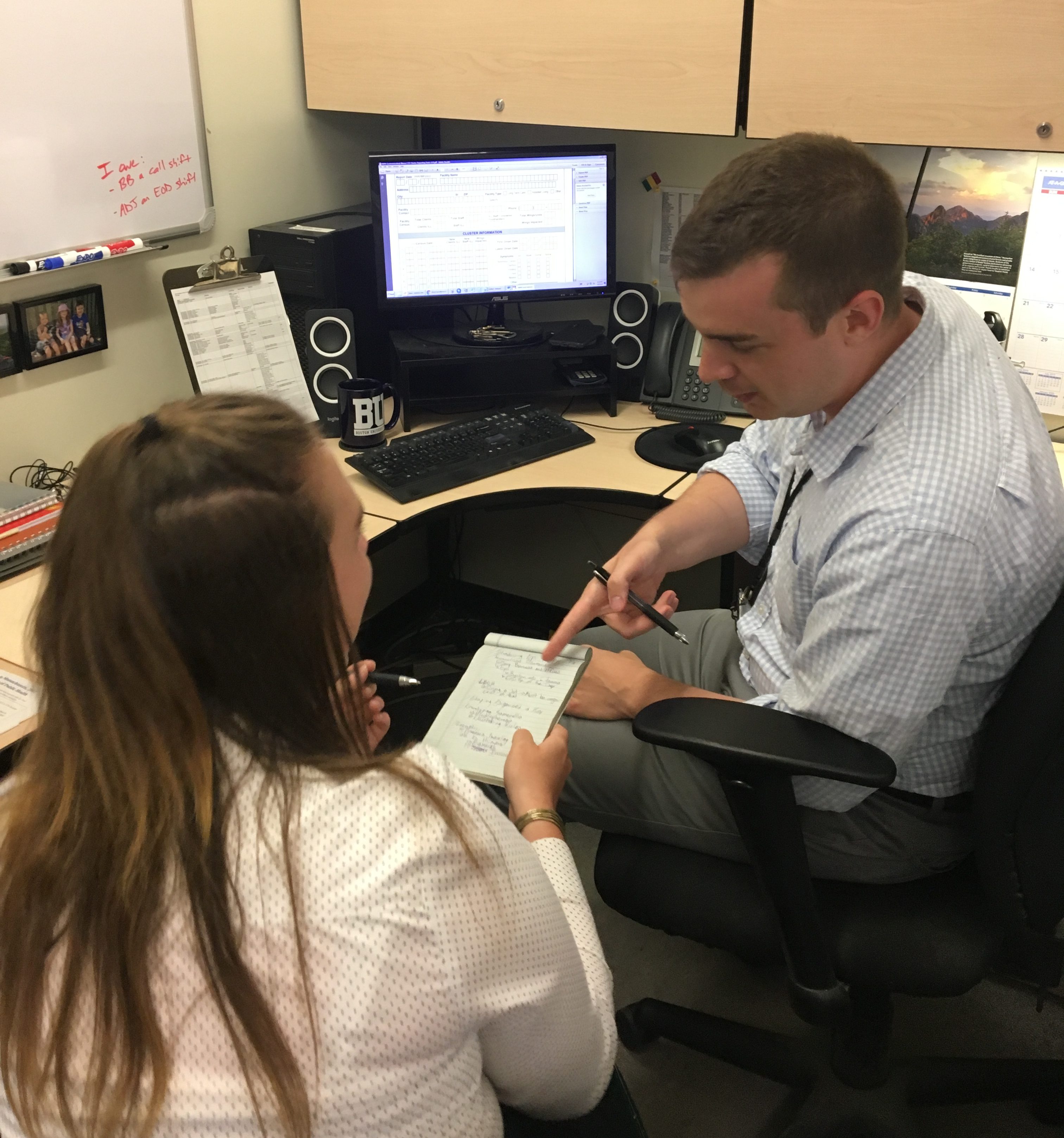
One of the most incredible parts of this internship experience is getting access to this information as an undergrad. As I mentioned earlier, I am one of about 5 undergraduate students in this program, and from what I understand the other four are in a 4-1 graduate program or just graduated. The Epi I was shadowing and a few others remarked that it’s fantastic getting this exposure as early as I can so I can be more focused in graduate school and hopefully, get more out of it.
After some time at the State Laboratory it was back to Marion to start abstract writing and data mapping. Although it doesn’t feel like it yet, this week marks sort of the beginning of the end of this experience. One of the requirements of the Local Internship Program through MDPH is submitting an abstract and presenting a poster on a project from the experience. The abstract is due on Thursday July 25th which is three weeks away. The staff at MDPH review our abstracts and send them back with a ton of edits. They also choose from the abstracts those that will be oral presentations instead of poster presentations. Only four of the 45 interns will be chosen to present their projects orally to the whole group which is in part why having a clear abstract is so important.
Closing day, when we do our presentations is August 14th at the State Lab. I know it’s weeks away at this point but the time goes by pretty fast and these are all dates, experiences, and deadlines I have to be cognizant of early to make sure I meet the expectations and deliverables. In addition, I started uploading my almost complete dataset into Story Maps. The mapping is separate from the abstract but a key component to this project, most of the trouble-shooting for this component I have to do on my own so the data presents in the right way.
These tasks and the quick problem solving they require are things I am accustomed to, in part, because of the Block Plan at Cornell. This type of fast, thorough, problem-solving is integrated into everything we learn and do. The short blocks ramp up the intensity on what may seem like complicated, elaborate projects. At first, these seem daunting but over time, they become normal and you gain confidence in your ability to persevere, find the answer, and complete things on time. These skills have helped me immensely over this experience. A lot of the projects I have been working on require the independence and perseverance I have gained through learning on the Block Plan at Cornell. I know the importance of asking for any help I need early and clarifying instructions because I do it every 18 days.
I came to Mass knowing two people and almost nothing about the state itself. Now, I have a wonderful little community in Marion, I’ve called every city and town in the state, and acclimated to the ways public health operates here. Being from “the other” Cornell, in Iowa (or Ohio or Idaho as some people say) has definitely had it’s advantages. Oh, and I can say all the weird New England town names correctly too. My favorite is Leicester.
MaryJo is a biochemistry major and psychology and sociology double minor from St. Michael, Minnesota.