
Week 8:
The Importance of Returning Calls
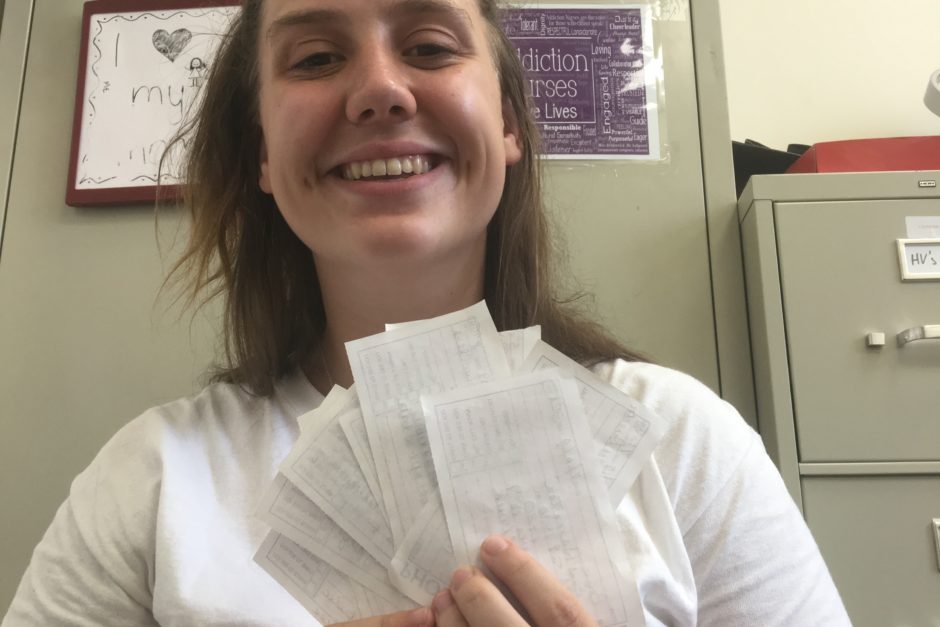
Each slip represents a returned call! Couldn't be happier that leaving over 20 voicemails paid off
July 21, 2019
As I said last week, I only have a few more days left on-site. I will be back in Massachusetts for the closing day on August 14 but from late July until then I won’t be in the office. Much of my work can be done offline, but it’s important that I get as much out of the site as I can while I’m still here.
The start of the week involved tying up the loose ends on my PHN database. By then there had been about 40 or so cities and towns that I was still unsure about or hadn’t called me back. I started by calling all of them, for the third time, and leaving a message. It got pretty repetitive after a while and I got used to the sounds of answering machines or hold music. If they do not return the call by the time I leave they will be considered non-responsive in the database. Their nursing care is considered ambiguous and there will be a little bit of work for whomever takes on this project after me. Fortunately, in calling all of these towns back I was able to get in contact with a few folks. Since that time, a number have returned my call and I have gotten their information. The current number is down to about 21, which may seem like a small dent but it’s great progress.
Next, I began a complete cleansing of the data, something I’ve done here and there as I go but I now needed to do a full sweep. This is to ensure all of my definitions line up and that all of my counts make sense. To show the differences in nursing across the state, I am mapping locations based on the ratio of nurses to the population. In this way, areas with a low ratio (1 nurse to a high population) will appear a different color than areas with a high ratio (1 nurse to a low population). This heat map, in theory, will show the areas that have the highest need or strain on their nurses.
Showing this strain or need in nursing is more complicated that it seems because the lack of consistency in how public health nursing is defined between communities leads to questions regarding credentials, job scope, and other professional technicalities. Mapping based on a specific view of these things would show bias. Since I want this data to be as concrete as possible, finding a common ground that shows the differences in Public Health Nursing while maintaining integrity, I have to seek outside sources. These counts or technicalities may seem like simple decisions with inconsequential impacts, but they matter. After I leave this data may be used by more than a few organizations and departments, I want to be sure it is as accurate as possible. Thus, all of my decisions are not nearly as inconsequential as they may seem.
I began cleaning the dataset at the beginning of the week, and it progressed little by little due to the returned calls and feedback I would receive. This is one part of data collection and analyzing that I absolutely love: when everything comes together. An unfortunate part to this week were some troubles I ran into with the Story Maps. I reached out the State for help on what seemed like a simple question, but in answering it we discovered a larger problem. I was unable to perform some of the functions I had been able to previously due to some unknown issue. Luckily, the people who know the software best agreed to look into it and get back to me when they figured it out.
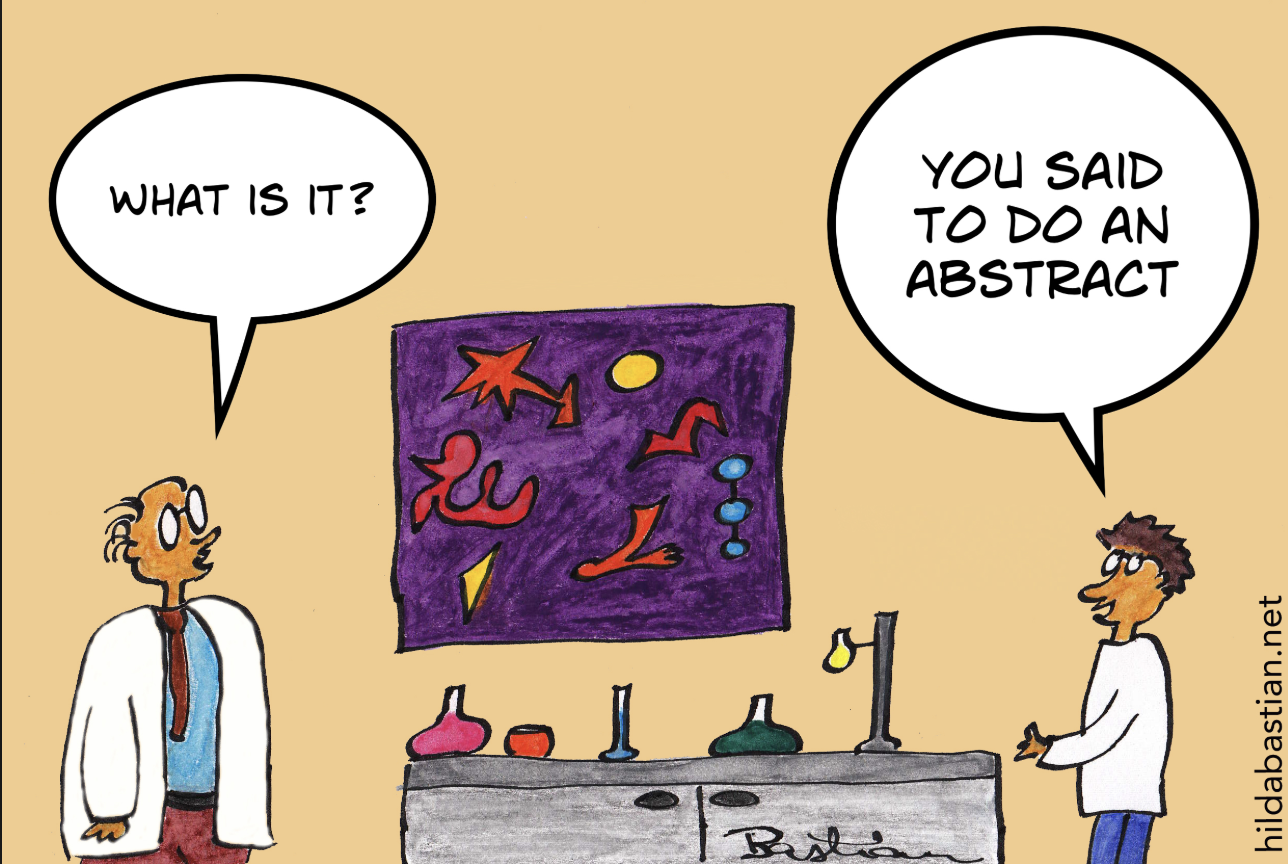
The next part of the week mostly consisted of writing my first abstract draft. Writing abstracts is like a short hike at a consistent uphill angle, it seems as though its going to be relatively easy since it’s so short but in reality it is one of the hardest things to do well. It was especially difficult because the database I’m building is more of a registry than a directly comparable source of data. Other surveys have been conducted on Public Health Nursing in the past but none have been as comprehensive as mine. These were mostly administered through the Massachusetts Association of Public Health Nurses (MAPHN) during specific years with the survey questions and process of outreach changing a little each year. The reports from the surveys done 2005 and 2010 were able to be sent to me but I was unable to garner the raw data. Having a report with no raw data presents problems because I am unable to manually verify any of the reported statistics. Trying to find valid statistics that I could compare between 2005, 2010, and my dataset took much longer than I thought, but by halfway through the week I thought I had found something promising. This allowed me to finish the results section of my abstract and send it off for review to other editors before the final due date of July 25th. I got edits back quickly and they gave me a little more to think about and some more statistics to run before I send my final product to my internship coordinator.
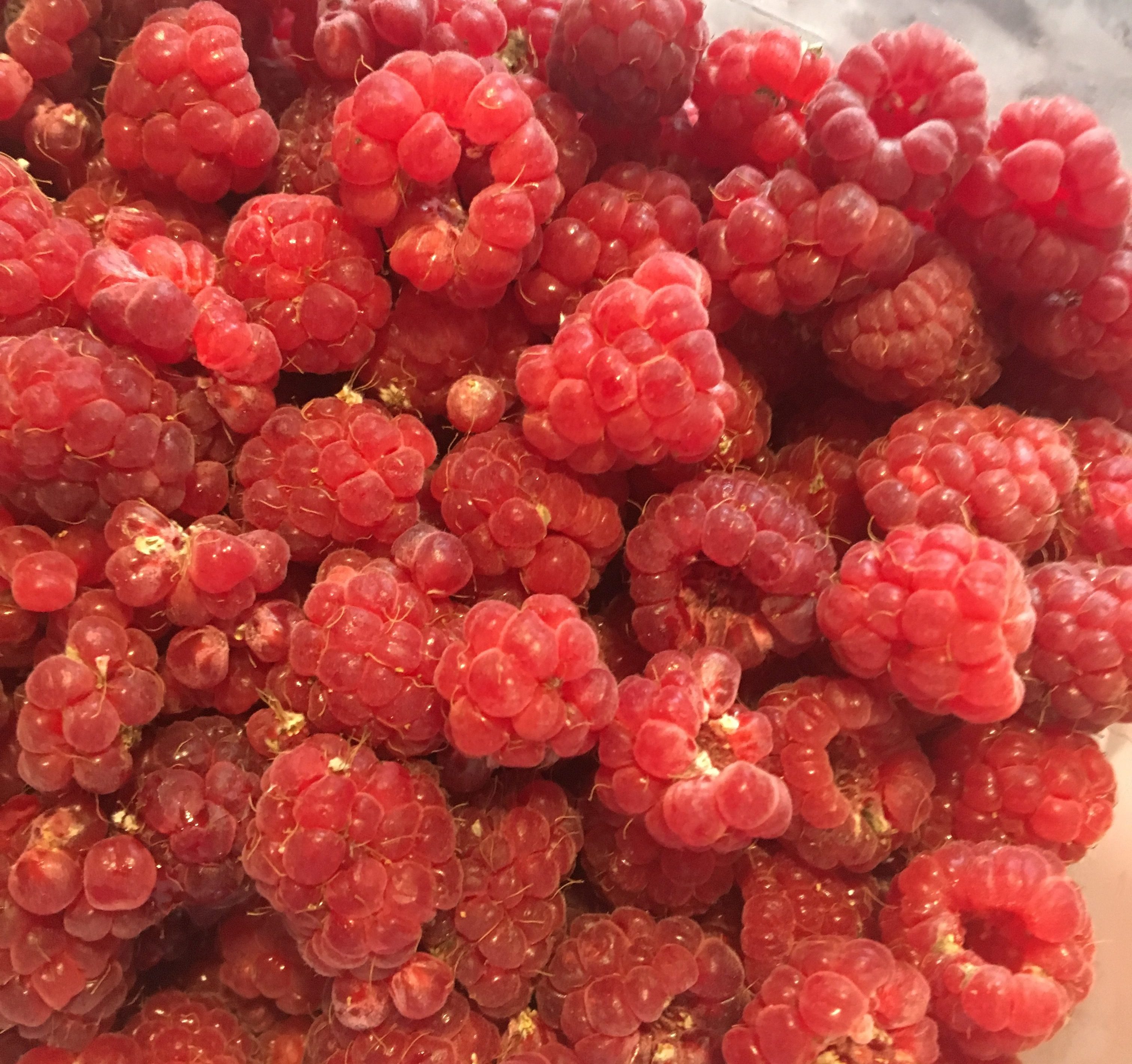
The late July weather also brought about a delightful surprise: fresh raspberries. In the backyard of where I am staying is an expansive garden with all sorts of fruit and veggie plants. Directly in the middle sits a wonderful, large raspberry bush that was lush with berries during this last week. Each day after I got home from work my hostess and I would spend about a half hour out in the garden picking raspberries for dinner and breakfast the following morning. I learned the perfect picking strategy and loved the opportunity to slow down a little bit and take in life’s little pleasures. We had a fruitful plot for the entire week, but I’m told it will probably end once we get into next week.
By the end of this week I completed a first draft of my abstract and heard back about my various questions or troubleshooting issues. Thankfully, the issues I was having within Story Maps were due to the account type I have within the software and not my own lack of familiarity. I was also able to talk with my supervisor about components I need to wrap up and how things were going to be delivered to their final sources after I leave. It still doesn’t feel like it’s about to be the end of my time here.
MaryJo is a biochemistry major and psychology and sociology double minor from St. Michael, Minnesota.
PreviousWeek 7: Abstracts, Mapping, and Zoonotic Diseases - oh my!
NextWeek 9: See you later South Coast