
Week 10:
One Last Week
July 30, 2022
It was another successful week out here at Baruch!
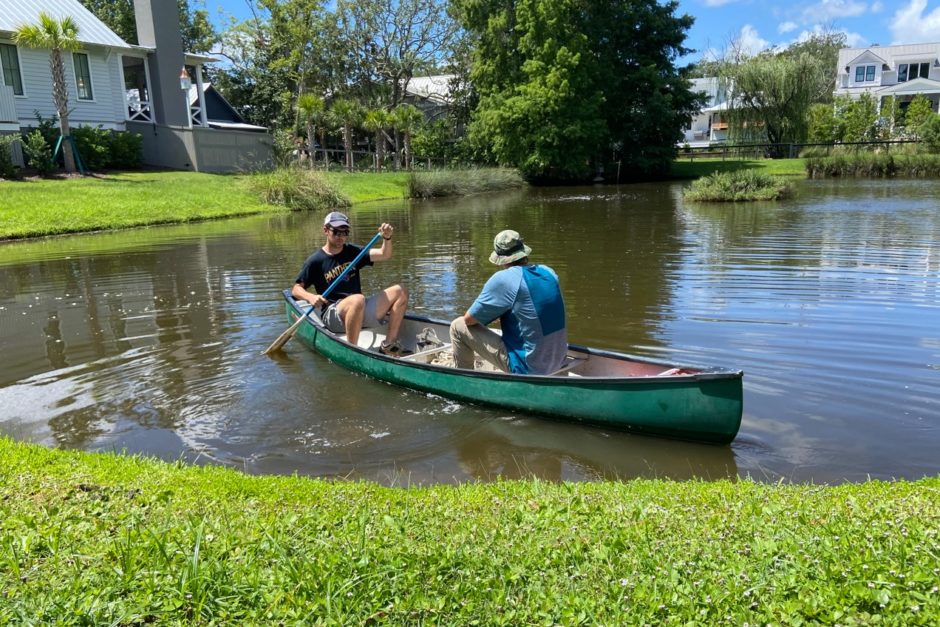
Monday was definitely the busiest day of the week for me. Levi, a Ph.D. student here at the lab had asked me a while back about potentially helping him with some of his dissertation fieldwork, and of course, I jumped on the opportunity. His dissertation focuses on stormwater retention systems and floating treatment wetlands, which is a bit different than other projects I’ve been a part of. Stormwater storage (via ponds or other waterbodies) is beneficial in many ways. They reduce flood risk, improve water quality, and minimize harmful effects of runoff on downstream waterways and ecosystems. Because these water retention areas are so important, Levi is preparing to install floating treatment wetlands (FTW) in South Carolina retention ponds for water quality improvement and habitat provision.
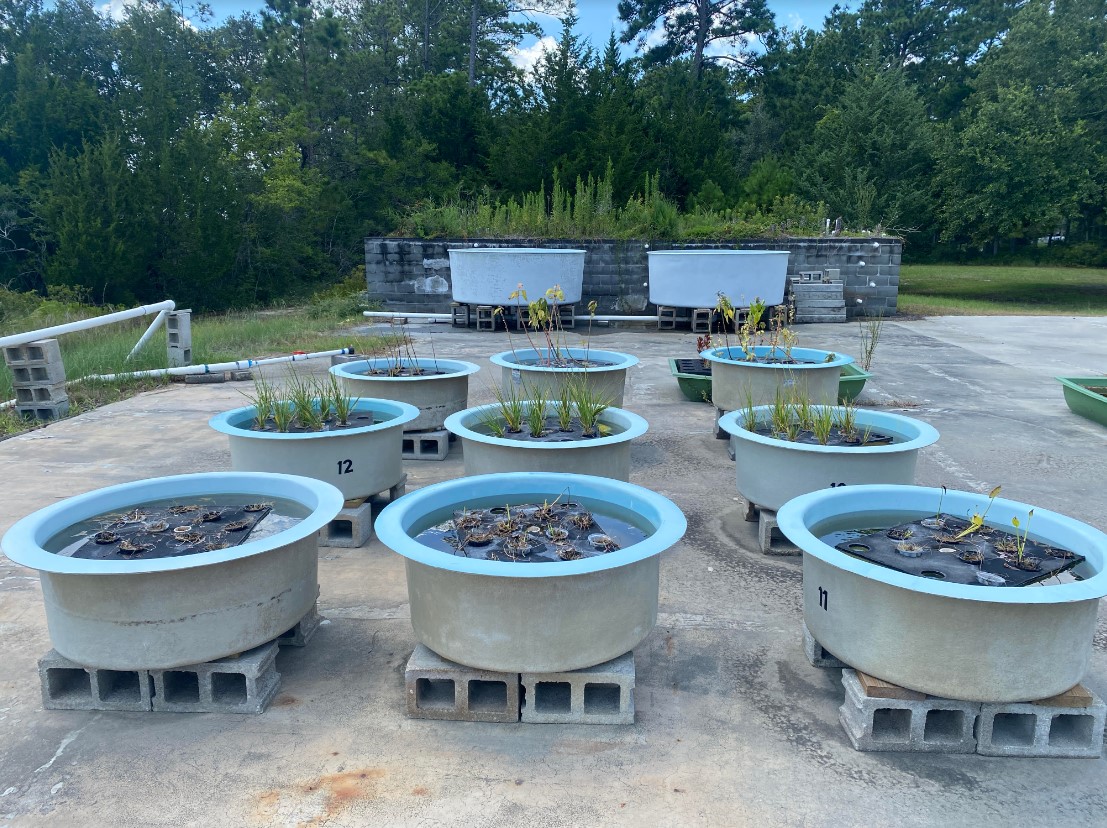
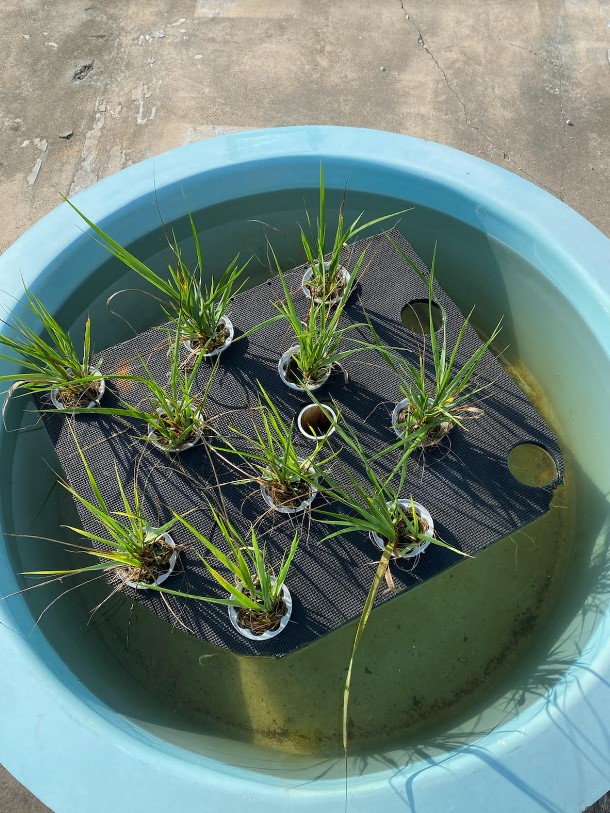
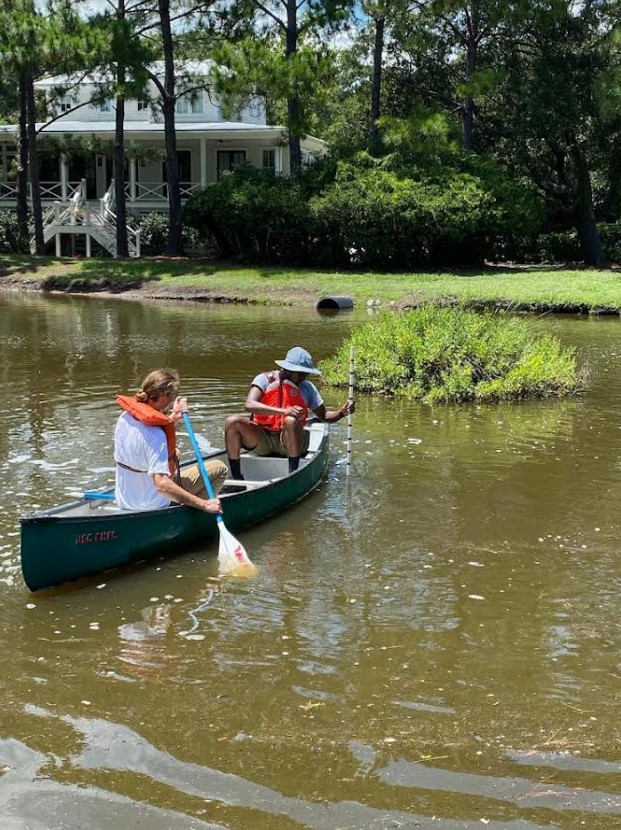
On Monday, we visited three brackish retention ponds (where salt and freshwater mix) and collected some data in preparation for FTW installation. This included collecting pond sediment, phytoplankton/zooplankton samples, and pulling some otter trawls. The purpose of these collections was to examine the biodiversity and water quality of the ponds prior to implementing the treatment wetlands. Looking forward, after the FTW is implemented, similar collections are going to be replicated to see whether or not the wetland was beneficial or not.
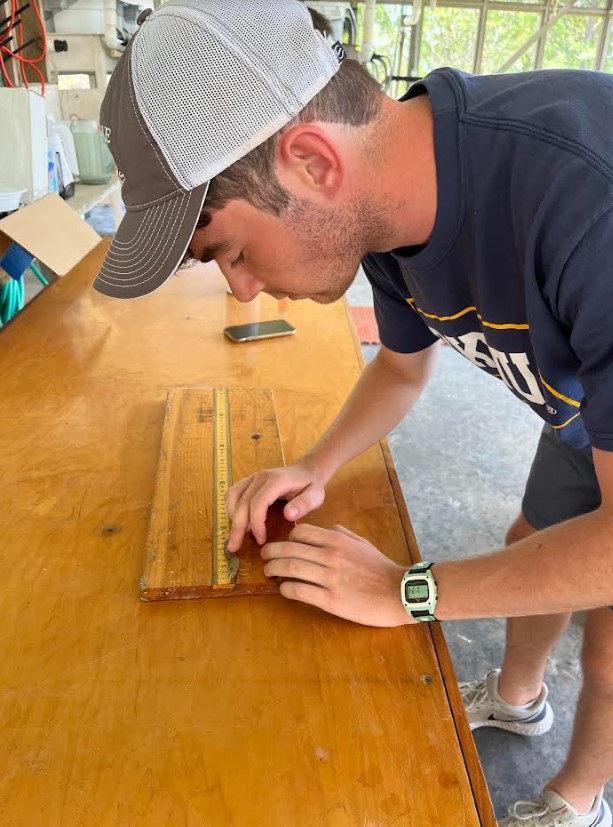
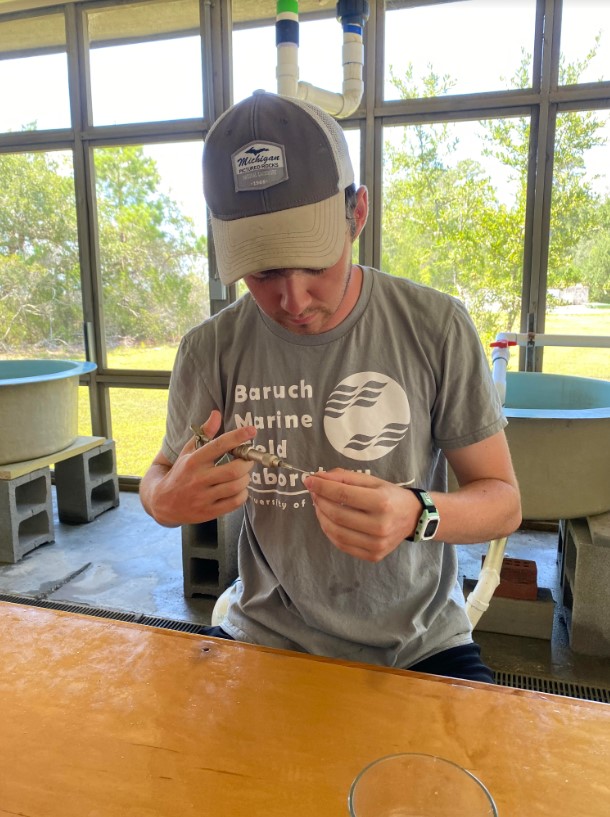
Apart from Monday, it was another busy week in the seawater lab working on the white shrimp experiment. We have a little over five days left before our 15-day period officially ends, which luckily enough lines up perfectly with my last day here this summer, so I won’t miss the last collection day. This week I’ve spent quite a bit of time PIT tagging white shrimp here and there and entering all of our water quality data into our now massive Excel datasheet! Over the past week, I’ve come to realize how much more detail-oriented and organized I’ve come to be. We’re not doing much with data being collected at the moment, so it’s not necessarily a priority to process it all right now, but I’ve learned that really staying on top of smaller tasks such as this one will make my life much easier and more efficient in the long run.
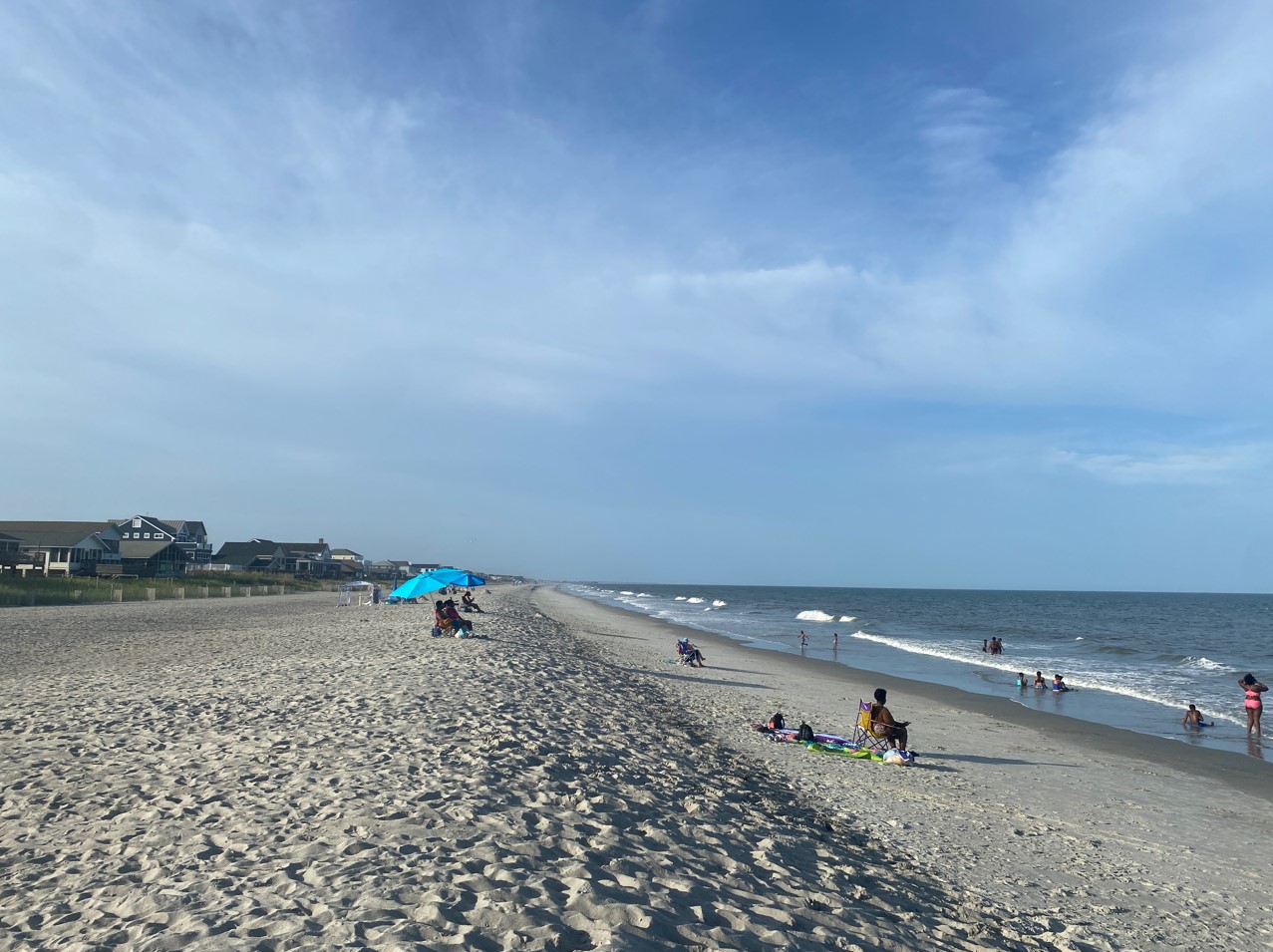
As the end of the summer edges closer, the majority of us interns have been trying our best to make the most of our time left here in SC. This past weekend we made a trip up to Surfside Beach, which is right up near Myrtle Beach (about a 45-minute drive from Georgetown). The nice thing about Surfside is that the beaches are just as nice as Myrtle Beach but thankfully not quite as touristy. We spent the majority of the day Saturday on the beach surfing (or at least attempting to), which was a first for me. Later that evening, we went bowling and explored some of the restaurants up closer to Myrtle, which was a blast. It’s a bit of a bummer that the summer is ending soon, but we’ve still got a bit of time left before we all leave, so I’m excited for this coming week!
Drew is an environmental science major from Solon, Iowa.