
Week 9:
Week on the Water
July 23, 2022
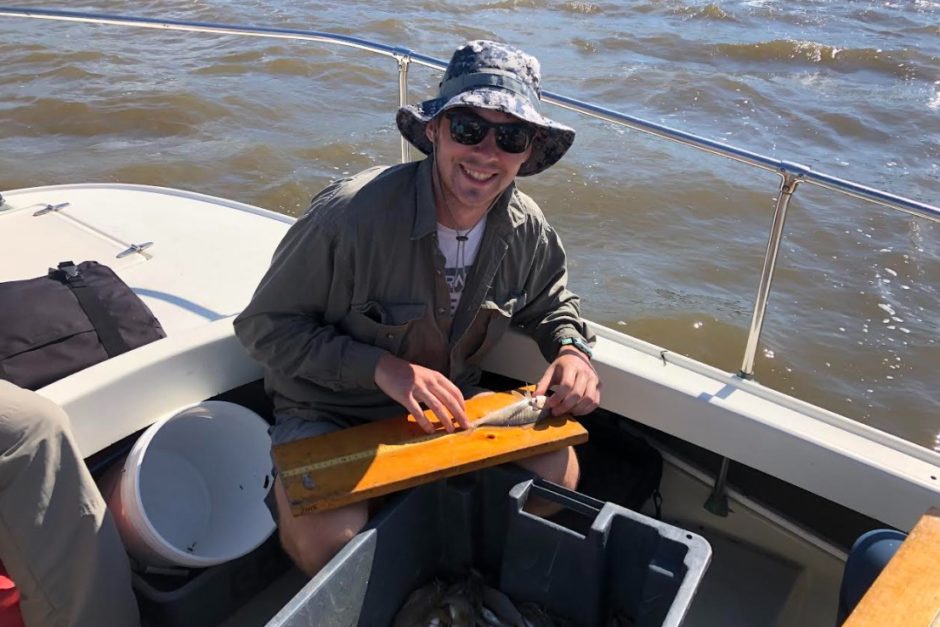
To start off the week, I spent all of Monday and Tuesday out on the water conducting the monthly otter trawls in Winyah Bay. After each trawl, we sorted and measured every individual we caught which was really interesting. On Monday, we ended up catching a sturgeon, which is really rare to see in our trawl nets and even more interesting because they look almost prehistoric! Due to overfishing, habitat loss/degradation, and poaching, sturgeons (Atlantic sturgeon in our case) are currently listed as an endangered species all along the coast. A sturgeon’s lifecycle is unique because it takes them substantially longer to mature and reproduce compared to most fish. They are also poached for their leather-like skin and eggs (used for most caviar), which is why the sturgeon population at the moment is being monitored closely by the DNR. When you pair their lengthy reproduction process with the likes of overfishing and poaching, it is not surprising to see their population diminishing at such an alarming rate. So, to see one of them pop up in our nets was really intriguing, but we released it almost immediately to avoid any unnecessary handling.
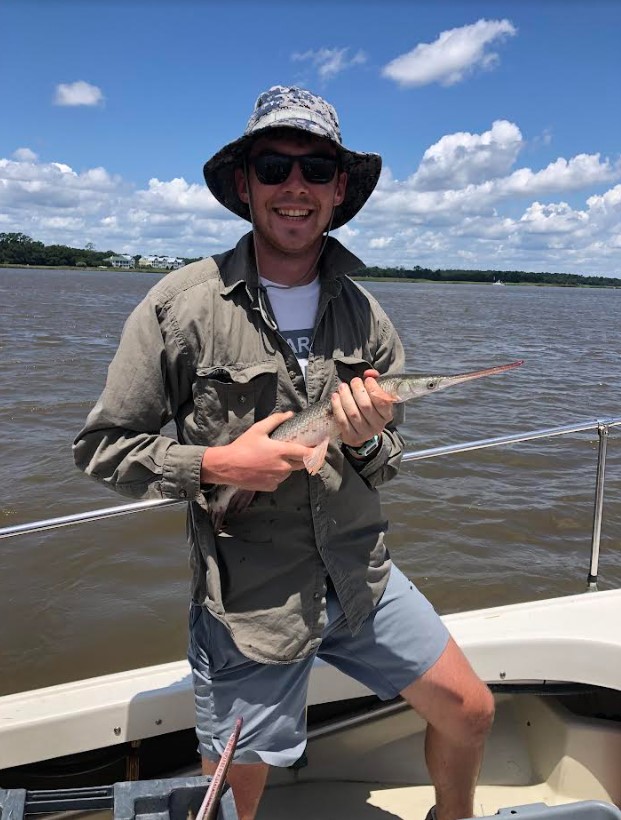
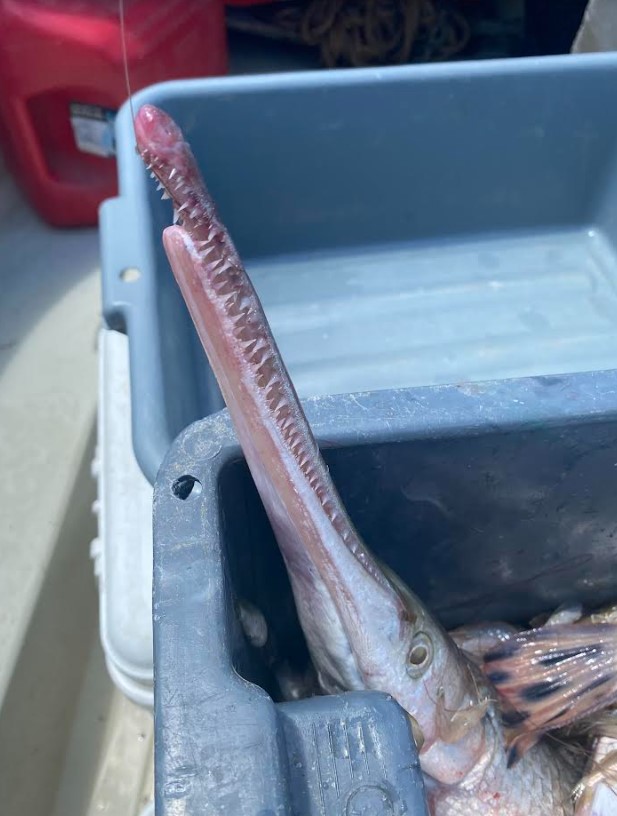
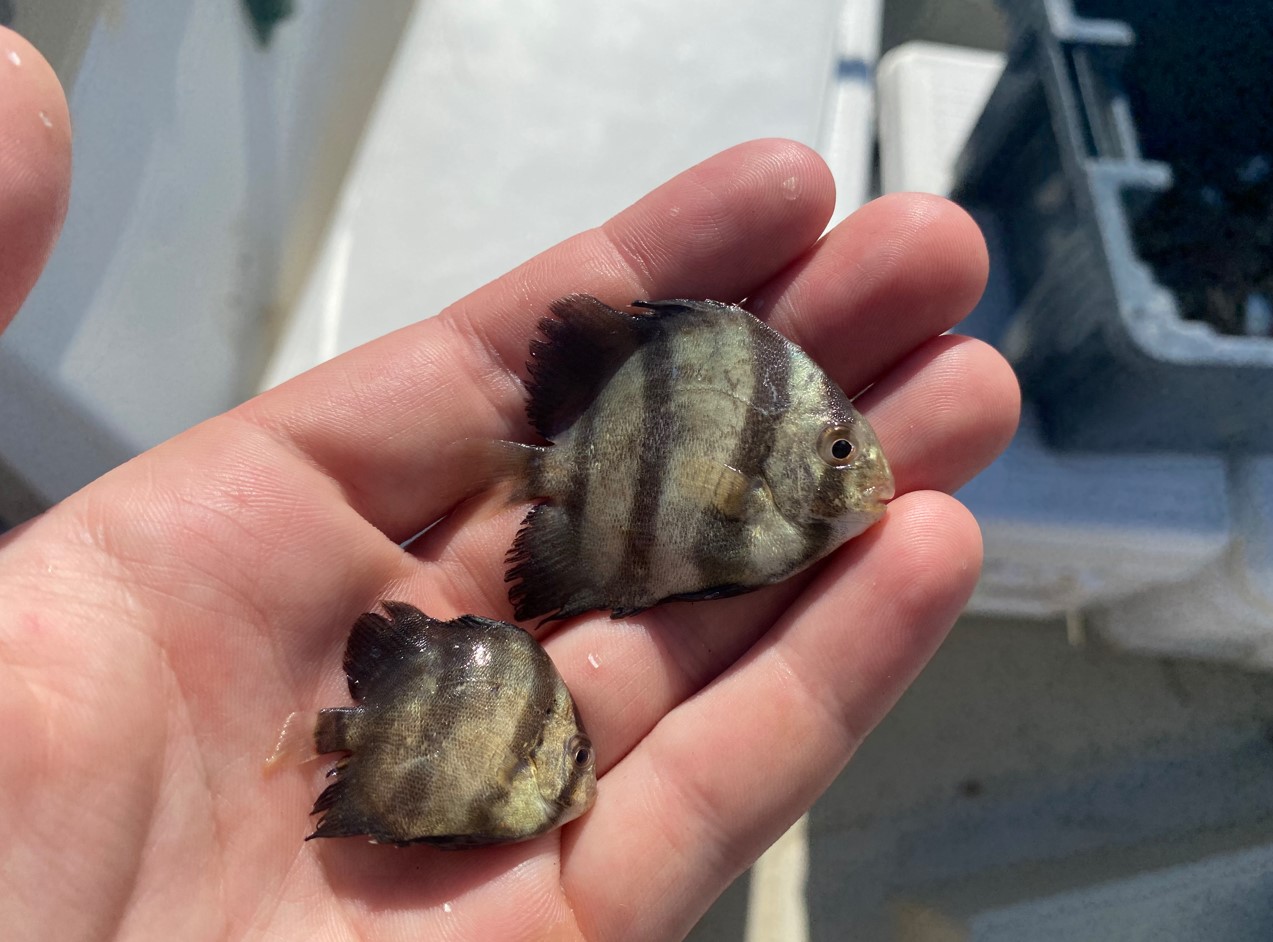
Tuesday’s trawls were full of surprises as well. Typically, our nets usually only catch juvenile or smaller species simply because the adults can swim away fast enough, but sometimes we do end up catching some bigger fish (like the sturgeon). That’s why on Tuesday when a handful of longnose gar popped up in the net, it was a pleasant surprise! On top of the gar, we also got to see some hogchokers, pufferfish, spadefish, and some blue catfish to name a few!
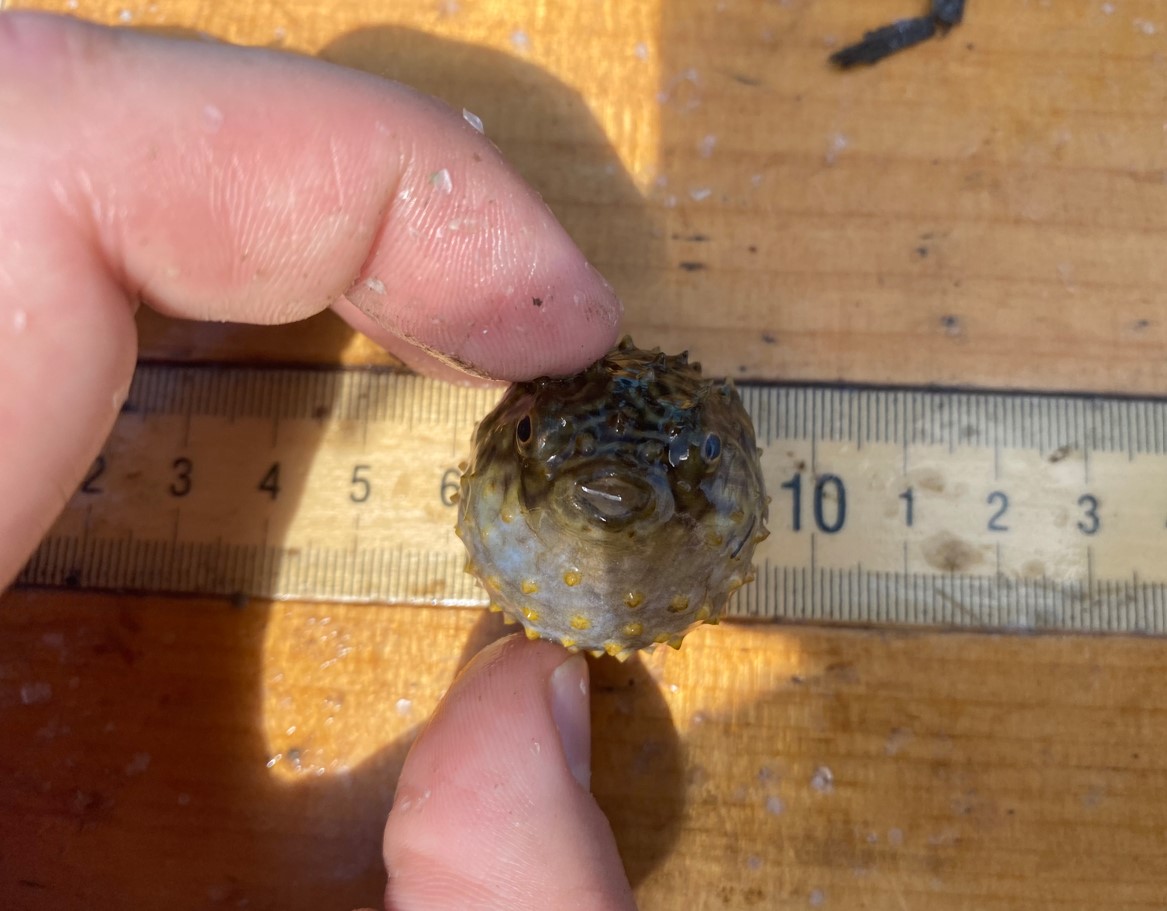
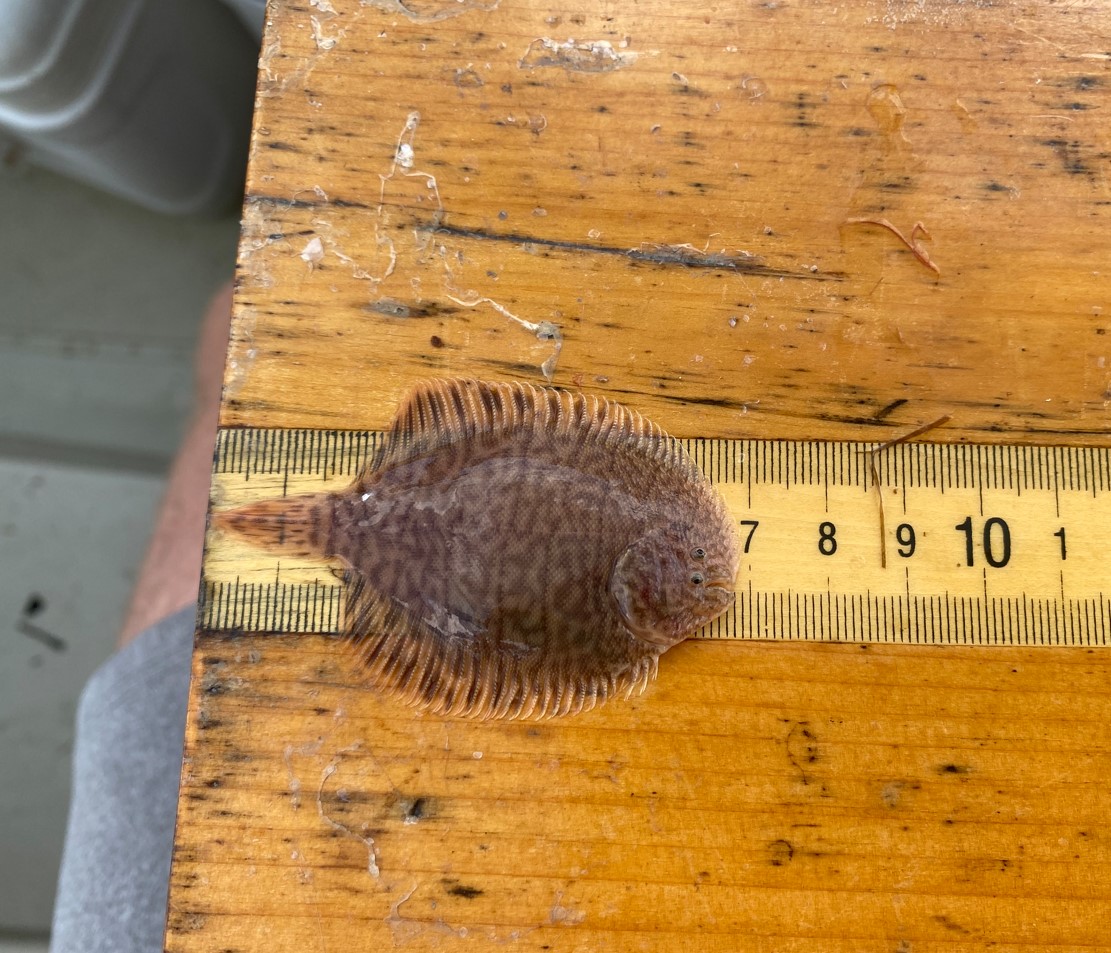
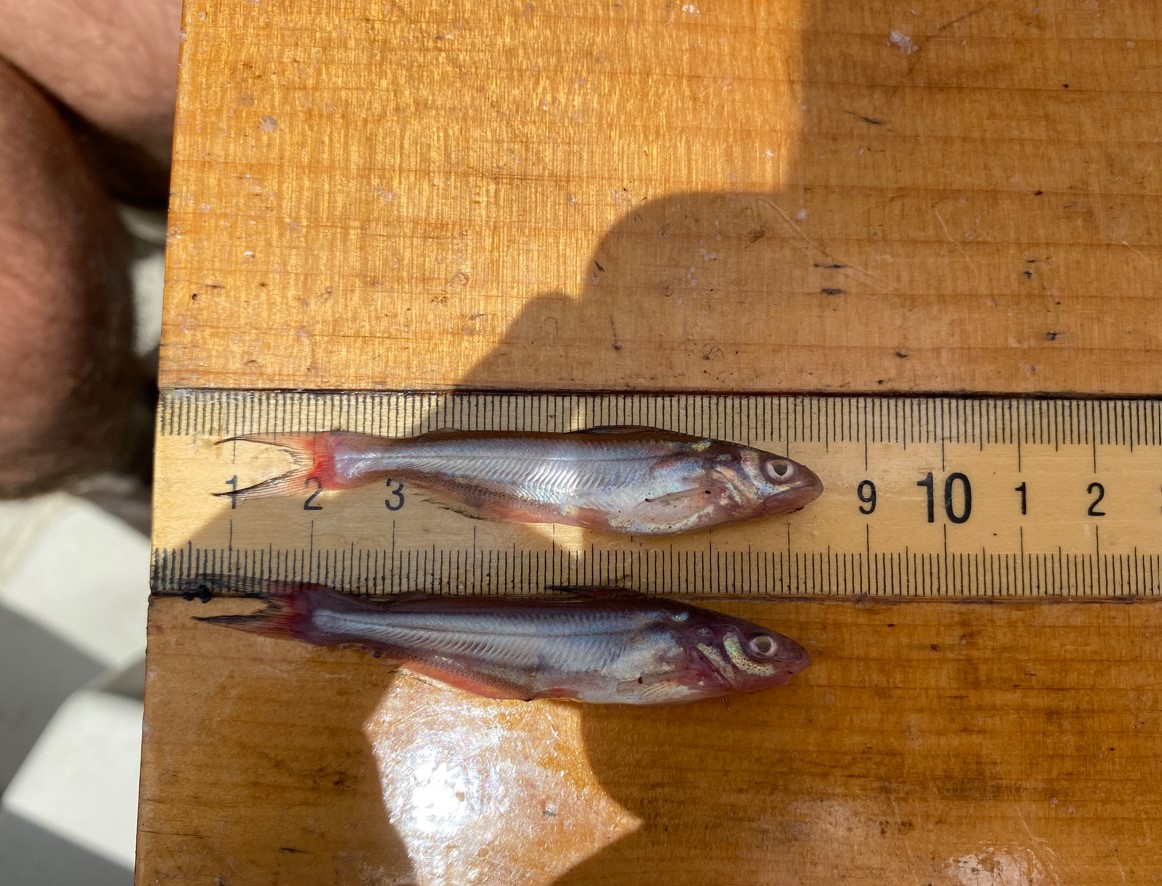
After a busy start to the week, Wednesday was no different! I spent the morning with Baker collecting groundwater samples in low and high marsh areas. Because low tide was at 7:00am that day, it was thankfully not too hot out, despite the heat index that day exceeding 103 degrees! After collecting all of our samples, we spent the rest of the morning filtering and prepping the samples for other lab tests. That same afternoon, Matt, Bruce, Robert, and I finally were able to officially start up our white shrimp experiments. Although it took us a bit longer than anticipated, we measured and weighed all of our tagged shrimp and got the ball rolling on our new 15-day experiment.
I ended the week the way it started, out in the middle of Winyah Bay again! One of Baker’s water monitoring stations was having some issues transmitting back data, so we spent the majority of the day out on the field station assessing why it wasn’t working properly. It turned out that the telemetry equipment was malfunctioning and needed to be replaced, which thankfully wasn’t too hard of a repair. The telemetry equipment is important because it gives us the opportunity to see data collected in real-time rather than seeing it once the sampling equipment is physically collected after a period of time. The real-time data is also not exclusive to Baruch researchers. The data collected at those monitoring stations is posted live online for anyone interested to see and use.
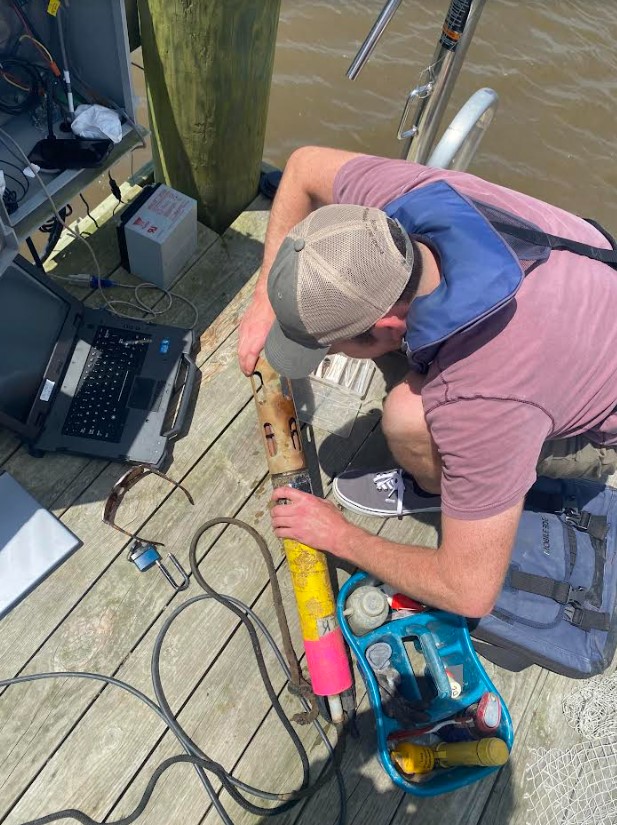
Looking ahead to next week, I am looking forward to helping Levi, a post-doctoral student at the lab with some of his research on stormwater retention ponds. The plan is to travel up to Charleston on Monday and Tuesday if needed to set up some of his new field sites and collect some water samples!

Drew is an environmental science major from Solon, Iowa.