
Week 3:
A View From Above
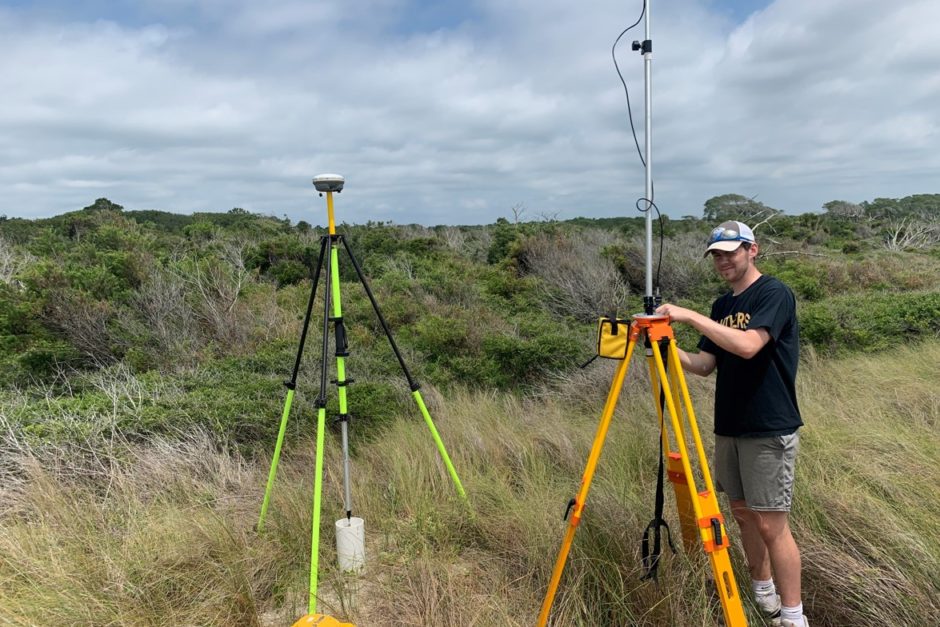
June 11, 2022
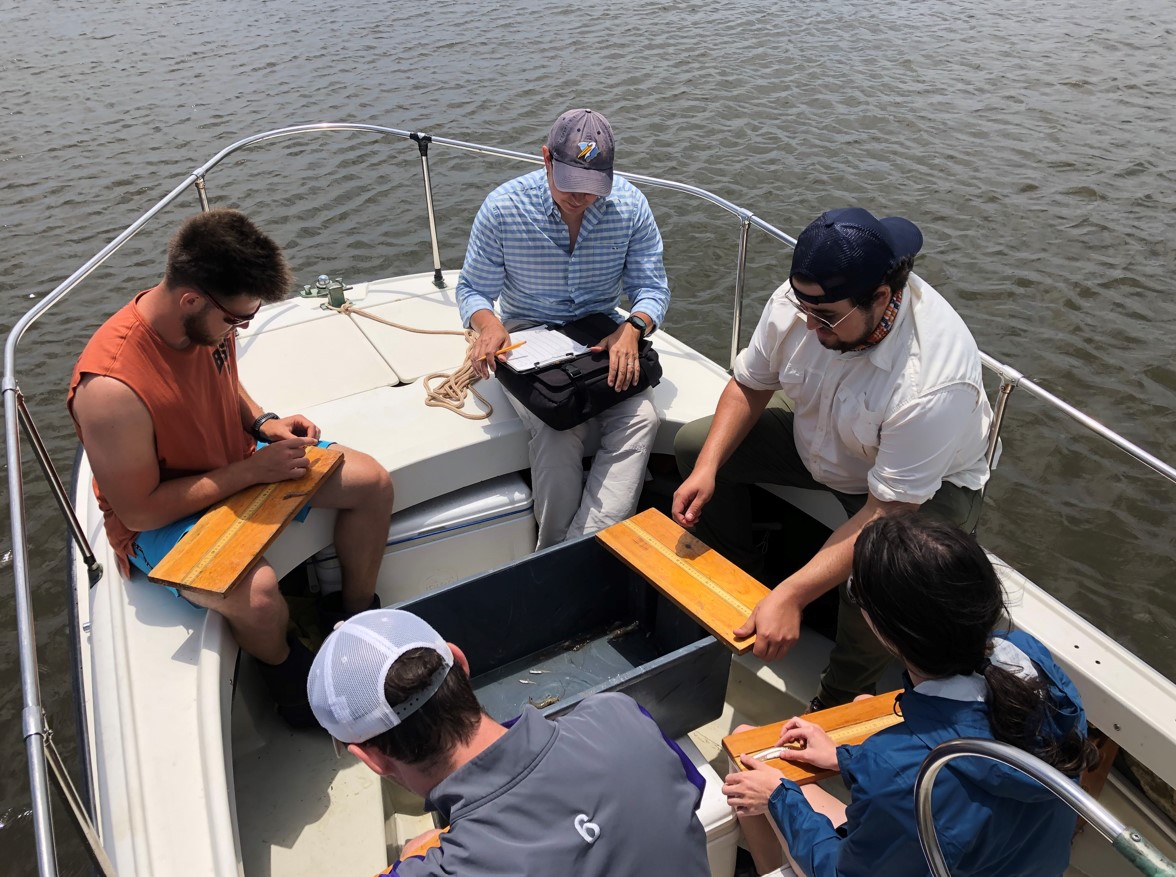
After an unorthodox second week, it felt great to return to the lab and really get back into the swing of things. I started off the week by helping out with some fieldwork out in Winyah Bay, where we spent the majority of the day trawling four different sites. After each trawl, we identified and measured everything we caught (a lot of shrimp and fish) right there on the boat and then released them all back afterward. On top of the trawl collections, we also recorded temperature, salinity, dissolved oxygen, and depth data at each site. The cool thing about this specific project is that the same trawls and water quality data are collected monthly, which gives us an idea of how abundant different species are over a long period of time.
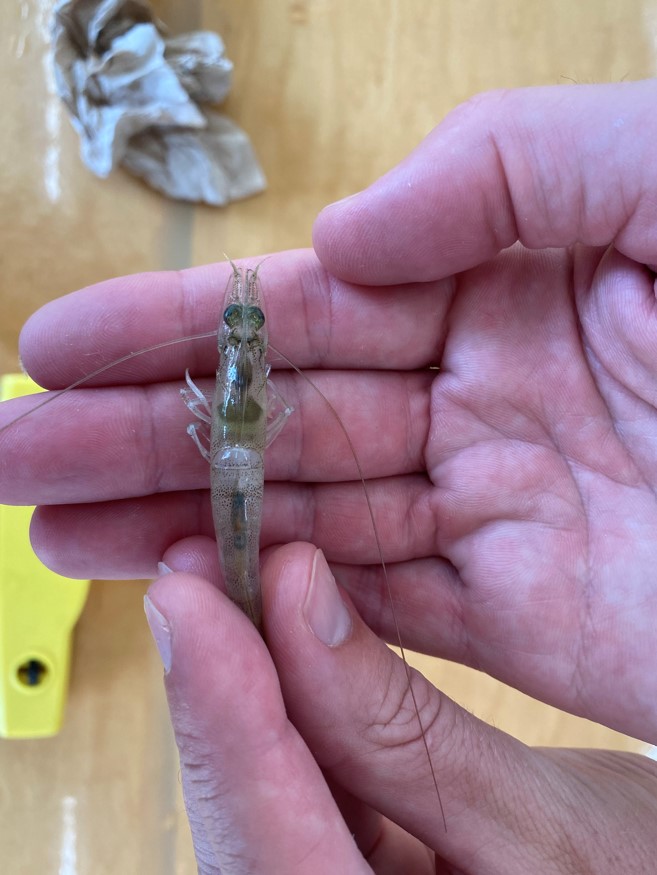
The next few days ended up being dedicated mainly to our brown shrimp experiment. On Tuesday, we had a little over 100 brown shrimp that had been acclimating to our seawater holding tanks and were now ready to be PIT tagged (passive integrated transponder tags). Essentially what we did was insert small microchips into the flesh of brown shrimp in order to later identify individual shrimp over the course of the experiment. Fun fact: these tags are awfully similar to the chips that most dogs have in them as well! Because we tagged so many shrimp, we spent a ton of time on Wednesday and Thursday keeping tabs on all of them to make sure they were adjusting to the PIT tags and not dying off.
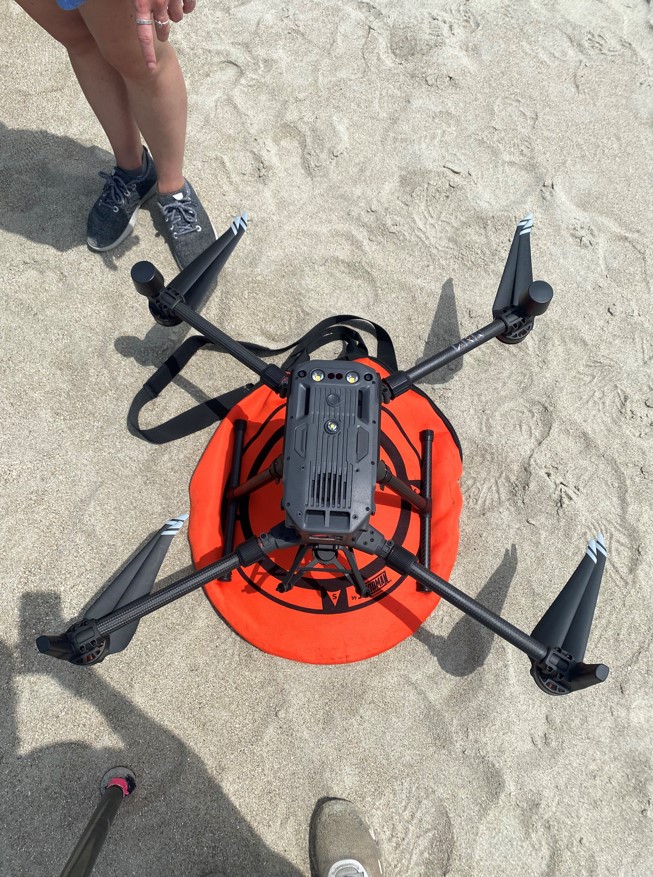
Friday was probably the highlight of my week. Up until this point, a lot of the work I had been doing was more biological and working with different marine species (working with shrimp, fish, oysters, etc), but Friday was a bit different. For the majority of the day, I worked alongside Baker (who I worked with a bit on Week 1) conducting some surveys on Hobcaw Beach, which is located about 10 minutes north of Georgetown. Recently, Hobcaw Beach has had a serious erosion problem and has had its shoreline eaten away significantly. Because of this problem, it just underwent a pretty large renourishment project where its shore was essentially built back up in a way that hopefully will prevent future erosion. Our job was to conduct surveys to look at the elevation of the entire beach after its recent renourishment. For me, the coolest part was the way we collected elevation data, which was by drone imagery. This drone (which you can see below) has the capability to measure the elevation of anywhere on the beach down to a square centimeter from about 150 feet in the air.
On Friday after work, some people at the lab put together a cookout for all of the interns to meet each other now that everyone has officially arrived for the summer. There was a ton of great food, games, and a fire later on in the evening. It was awesome to also meet a lot of people around my age that I don’t typically see during the week. One of the funniest parts of that night was the number of times I had to explain that the game Cornhole is actually called bags, but not many other interns here are from the Midwest, so it ended up being a lost cause.
Drew is an environmental science major from Solon, Iowa.