
Week 7:
Beginning of The End
July 9, 2022
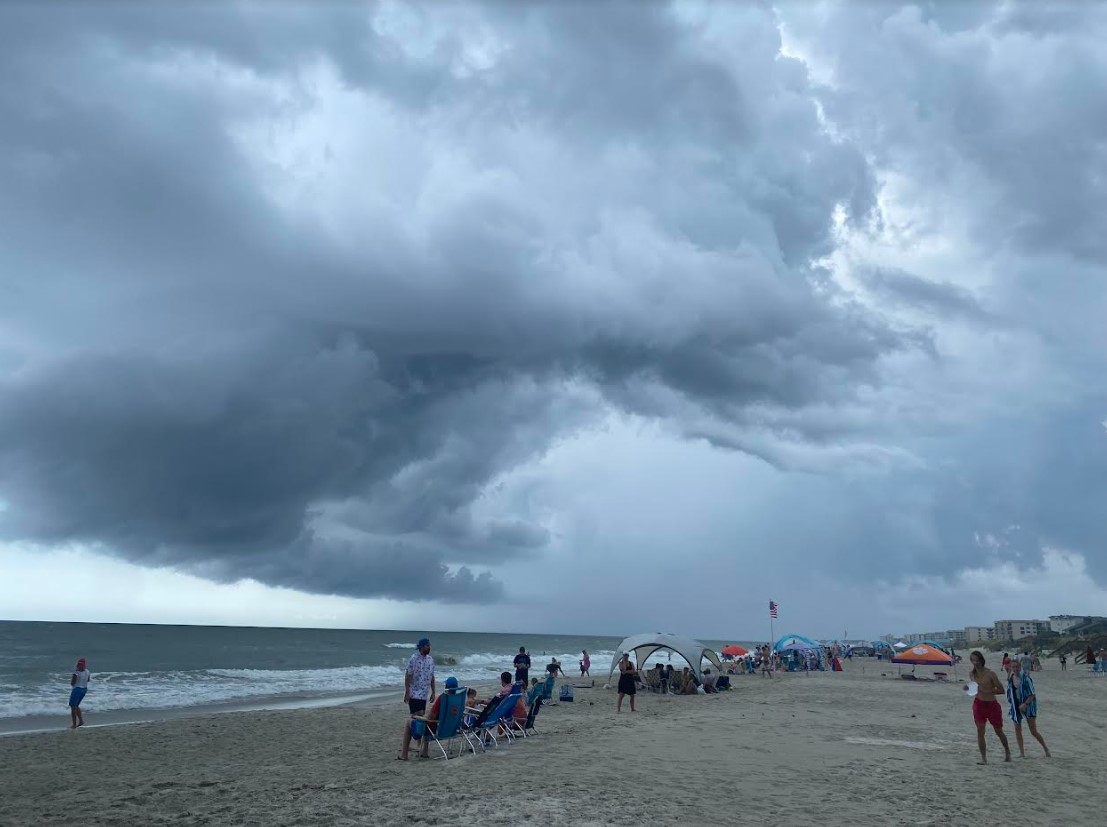
This week flew by! Because of the Fourth of July, we didn’t come back to work until Tuesday, which meant I spent most of the weekend on the beach (or at least attempted to). Like last week, storms have been popping up left and right almost every day, making it hard to get outside over the holiday weekend. Thankfully, most of the bad weather had cleared up enough for us to get out and catch some fireworks at Litchfield Beach on Monday evening, which was a blast. Also, earlier on in the weekend some of the current graduate students put together a big cookout for everyone at the lab, which was a great time as well!
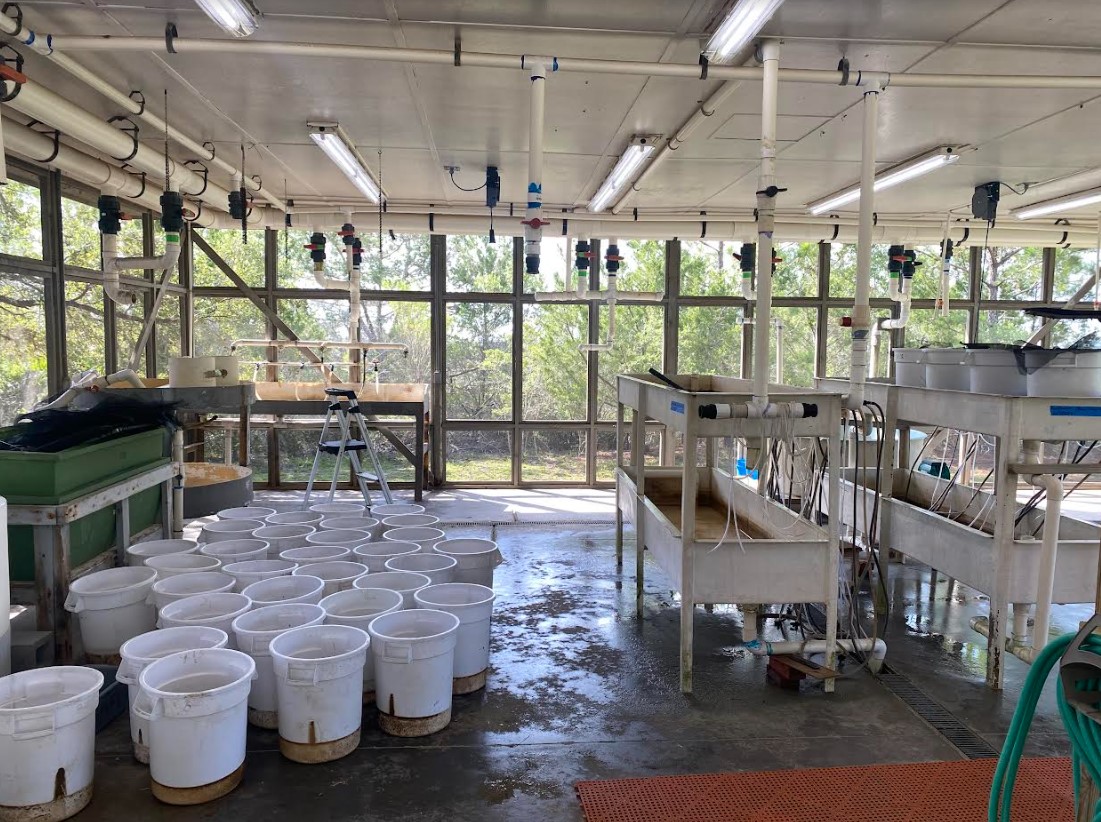
After the holiday weekend, we wasted no time jumping back into our LAST week of brown shrimp experiments! Whether it be collecting water quality data, shrimp measurements, or regular check-ins on our experimental tanks, all of our time spent on this particular experiment came to a conclusion on Saturday. For the last time, we measured and weighed all of the shrimp and put them in a holding tank for the time being. Leading up to our last day of data collection, Willa and I worked throughout the week on entering all of our data into a software called “R-Studio”, which is essentially a program we’ll use to quantify and determine whether or not we saw any significant growth or mortality at different densities. It’s a new program for both of us, but I can’t wait to see how statistically significant our results are.
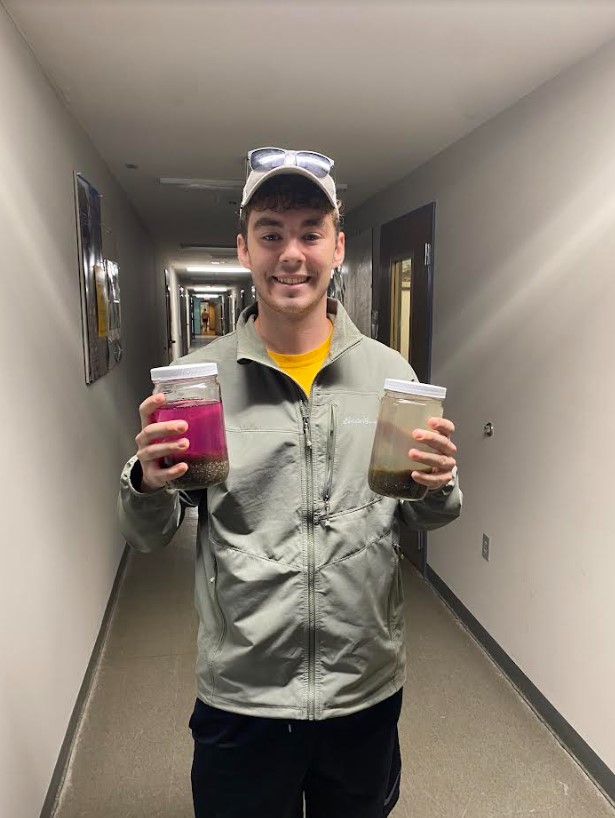
Although we’re done with the brown shrimp now, it’s only the beginning of our shrimp research this summer. We’re now going to begin a similar study on the growth and mortality of shrimp in certain densities, but rather than using brown shrimp, we are going to use white shrimp. The majority of brown shrimp have now moved out of the estuary and migrated to deeper waters, and are being replaced by white shrimp, which are more abundant in the later summer months. It’s been cool to see this firsthand in the field, especially this past week. On Wednesday, Bruce and I went out and pulled a few seines (as well as some zooplankton sampling) in hopes of catching some more brown shrimp, but we were unsuccessful. We were only able to catch white shrimp, which isn’t surprising but is interesting to see where the overlap in lifecycles ends between the two shrimp species. Our plan is to start this new experiment hopefully next Tuesday/Wednesday, so there’s plenty of prep to be done for that over the next few days.
Towards the end of the week, I had the opportunity to learn a bit more about the history of Baruch and the property itself. Back in the 1700s, the new wildlife refuge and research facility was home to 14 different plantations, some of which are still preserved on this property to visit. It wasn’t until 1964 that one of the plantation owners’ family (the Baruch family) transformed the property into a protected wildlife reserve for various types of research. If you are ever near Georgetown, I would totally recommend visiting and learning about the history of not only Baruch but Georgetown as well. It seems that almost anywhere you go, there’s a rich history to learn about. Right as you enter the main gate to the property, there’s a visitor center that goes into way more depth on the history of the Baruch family and the land that the lab sits on now, which I totally recommend anyone to stop in and check out!
Drew is an environmental science major from Solon, Iowa.