
Week 7:
Audobon Center at Francis Beidler Forest
July 1, 2014
I will start this week’s post with a snippet from my weekend. On Saturday morning I went with Matt on one of a series of free birding walks he leads in Summerville. Four other people joined us and it ended up being a very fruitful morning of bird watching. But there is one bird that I have been dying to see ever since I saw a picture of it. The Painted Bunting. It has a very fitting name because it looks like a toddler got into some finger paints and then splashed them all over this bird. If you haven’t seen a picture of this colorful bird you should stop reading right now, google it, and then come back here. You may question if it really exists because it looks so cartoony. One reason Matt chose the birding location that he did, was that he knew Painted Buntings had been spotted there before. He knows how to pick ‘em because we saw about 8 of them! It was breathtaking.
The bulk of my time this week was spent helping Matt with the Advanced Camp. Four boys of 14 and 15 years of age signed up. This camp was much more relaxed compared to the chaos of the week before. On Monday we did introductions and demonstrated how we band birds. We didn’t expect to actually catch any birds because they’re breeding season is starting to slow down and they are not as territorial/responsive to song. But lo and behold, we flushed one right out of her nest and in to our butterfly net. Then we almost caught another in a mist net but a large master naturalist class was taking a tour of the boardwalk and shot our chances of catching him.
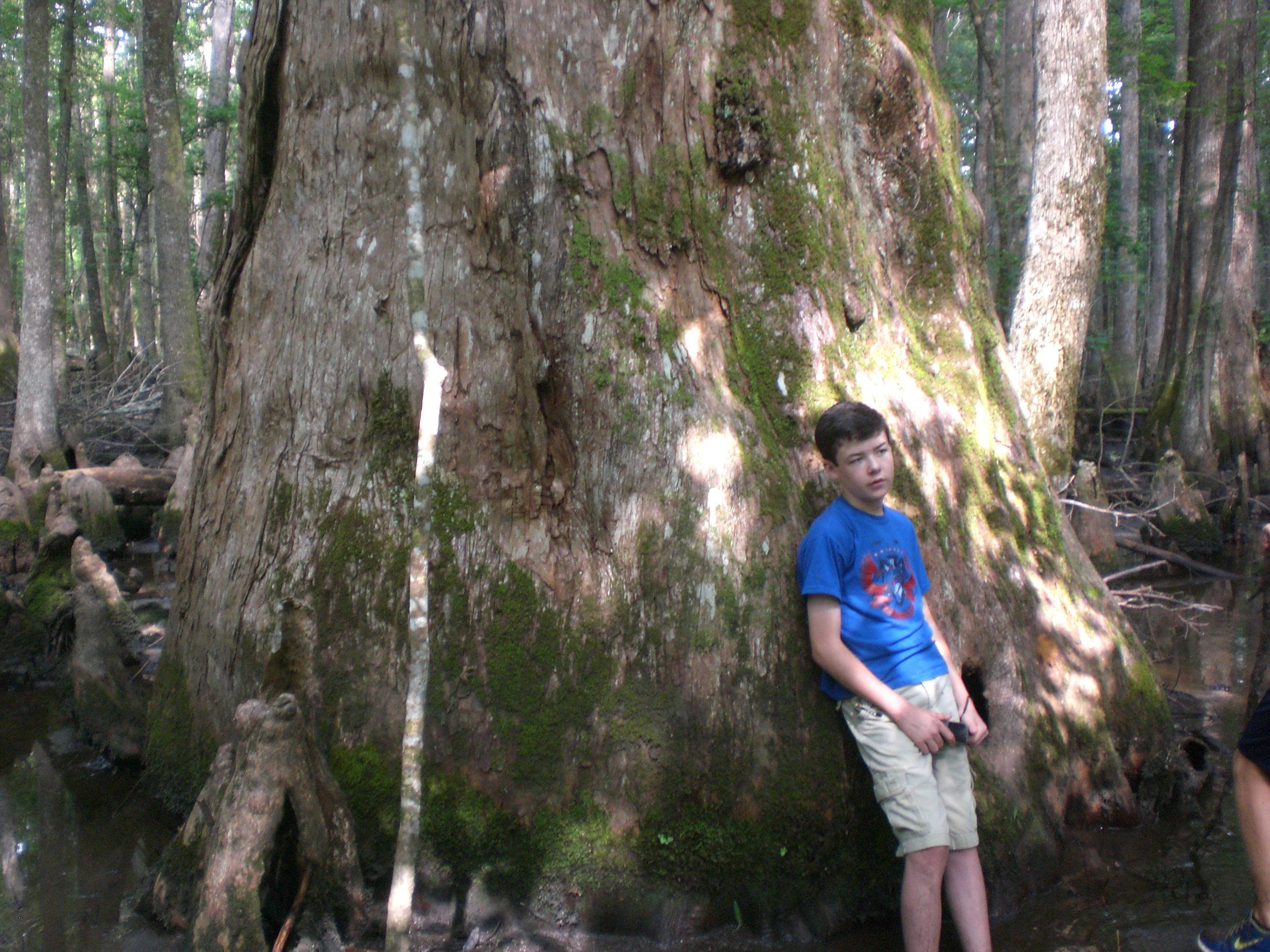
The second day, we went on what they call a “swamp stomp,” which is basically a hike through the mud and water of the swamp, to the “Knee Knocker” tree. The Knee Knocker Tree is the biggest known cypress tree on Audubon’s property. I have mentioned it before but Audubon owns about 18,000 acres of the swamp and its tributaries. Needless to say, it was a pretty impressive tree. Its knees were fun to play with because hitting them with a stick produced different unique percussive noises. There is actually a fun video on YouTube from a few years ago of the Audubon SC gang making a music video using the tree’s “knee drums.” If you are interested in watching it, here is the link: http://www.youtube.com/watch?v=LmULJ2cOgmw.
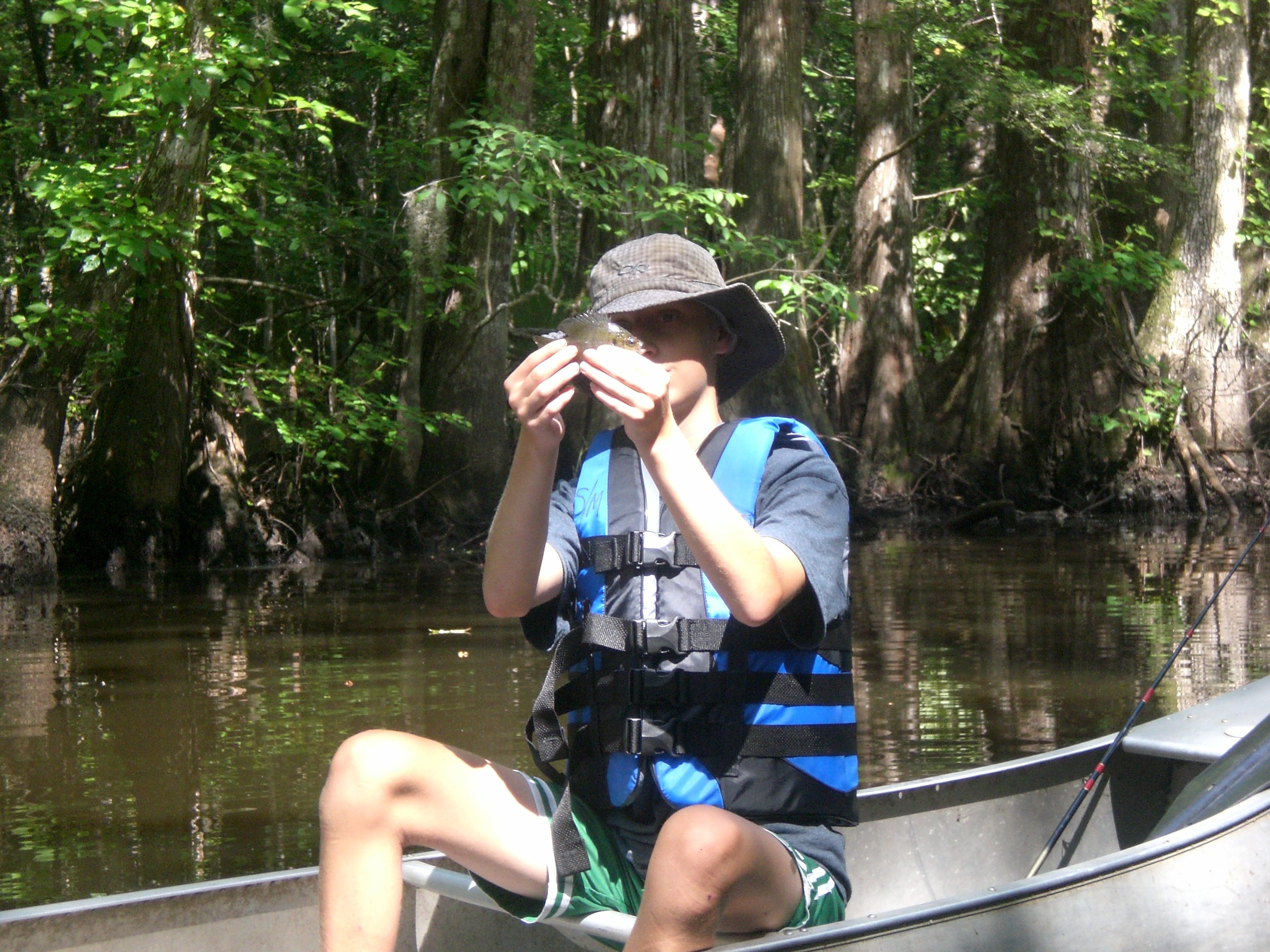
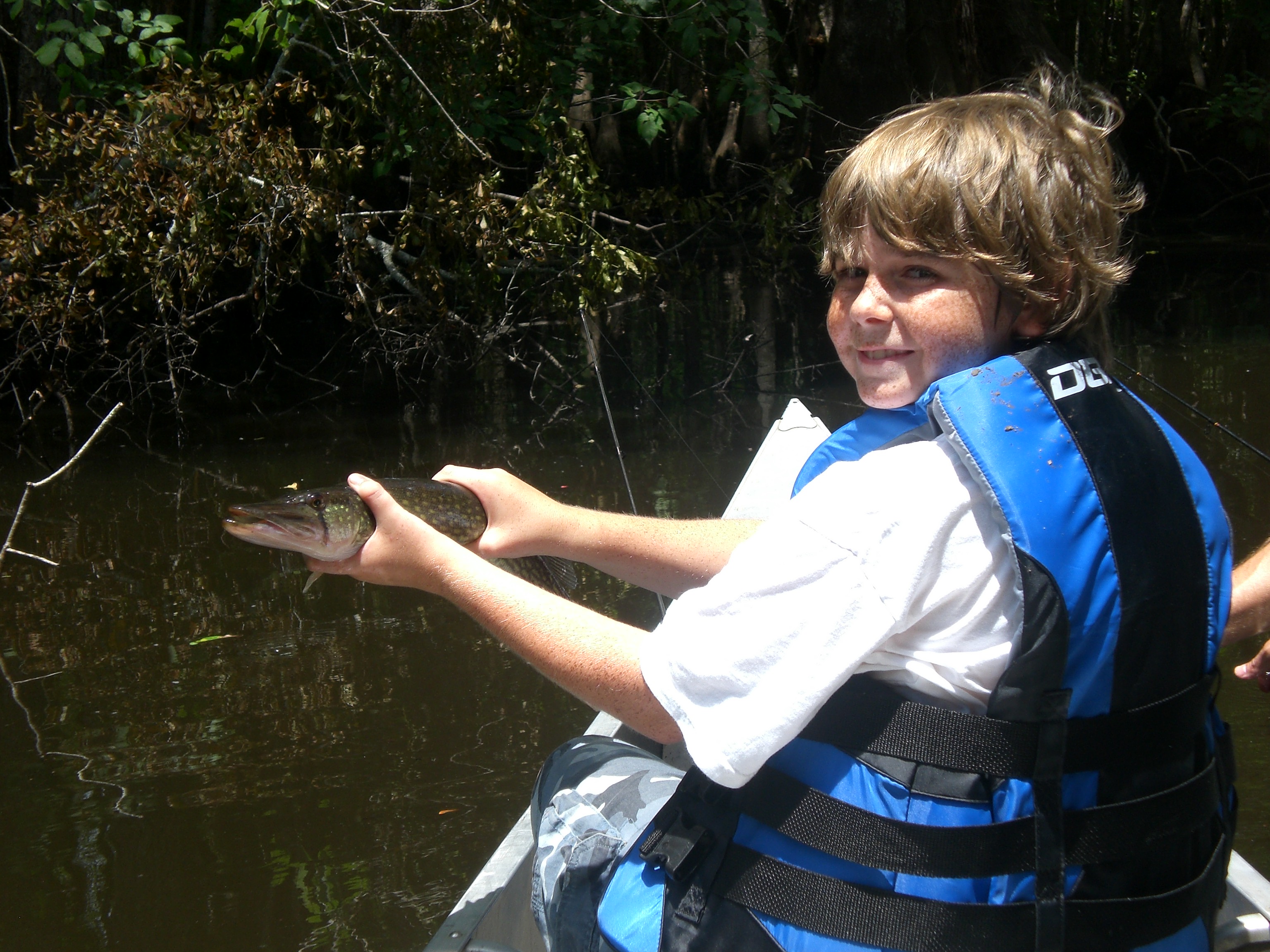
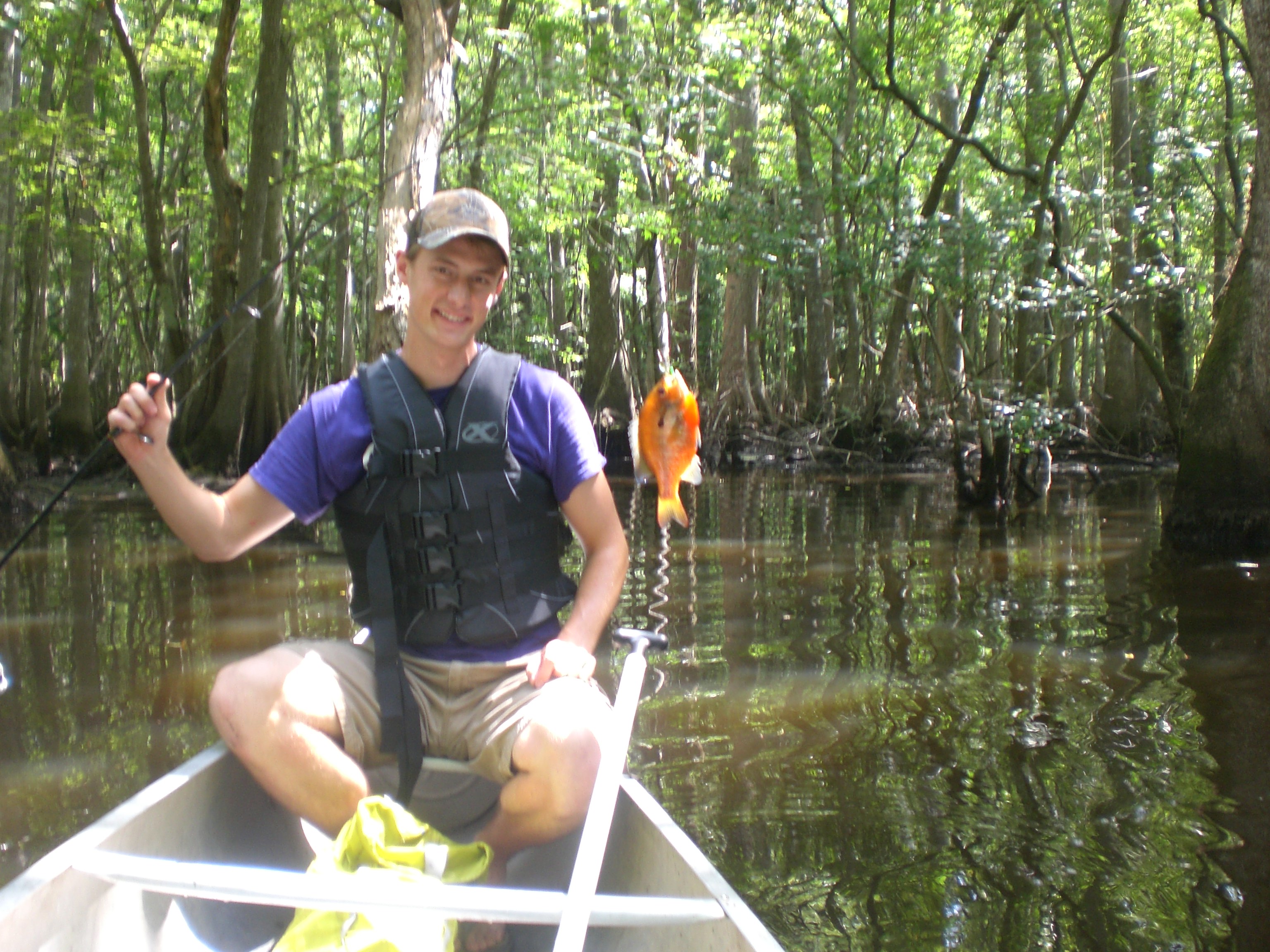
Among other things, we also went fishing with the kids at Audubon’s boat landing. Anything we caught we just threw back but it was fun and relaxing. I remember fishing with my Dad when I was younger and never really taking to it, but I can see the draw to it now. These kids were better fishers than I was! That can’t stay the case for long. I think they have got me hooked on a new summer activity. I’ll have to pull out my Dad’s old polls and rent a boat with him when I get back home.
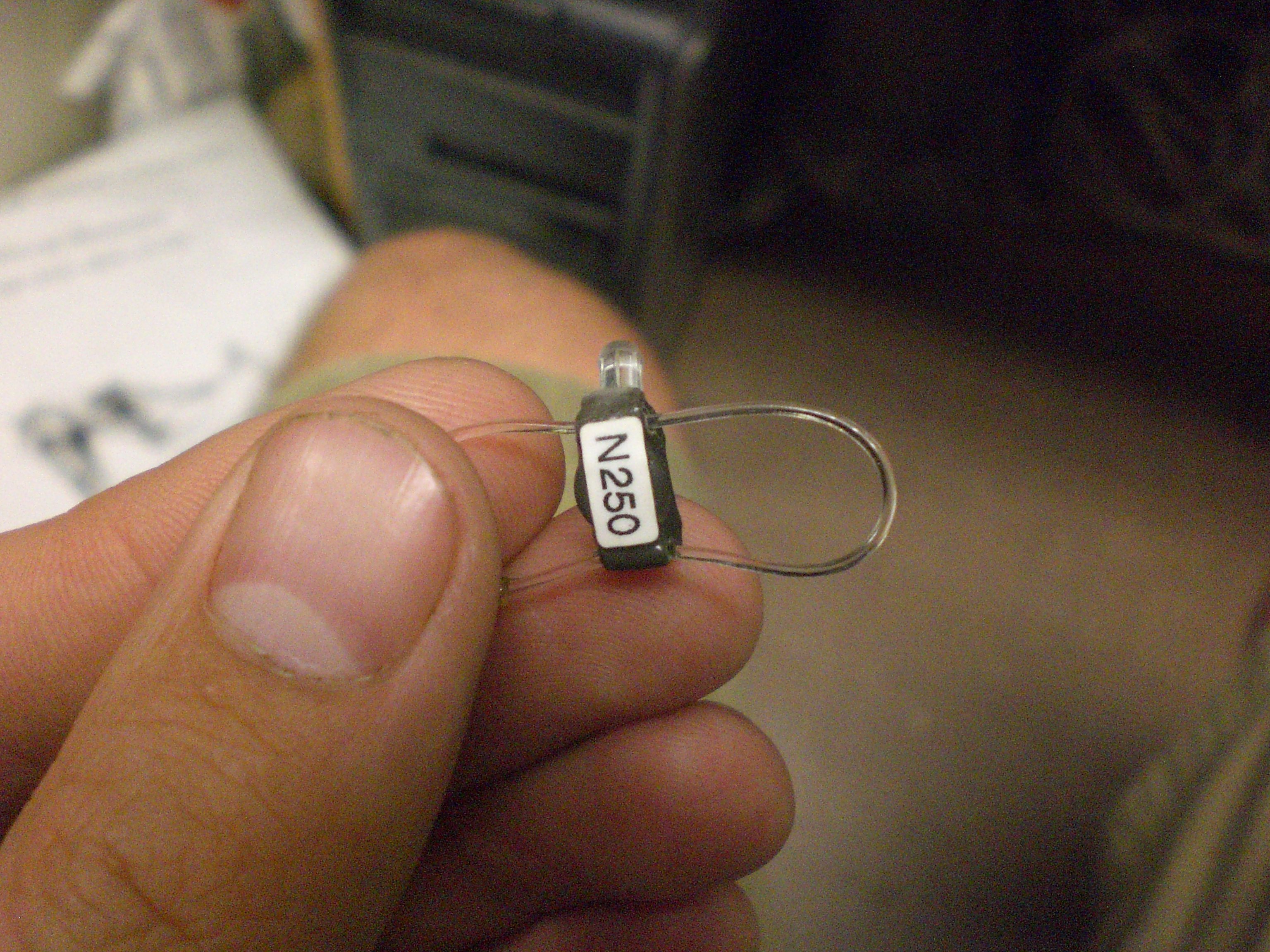
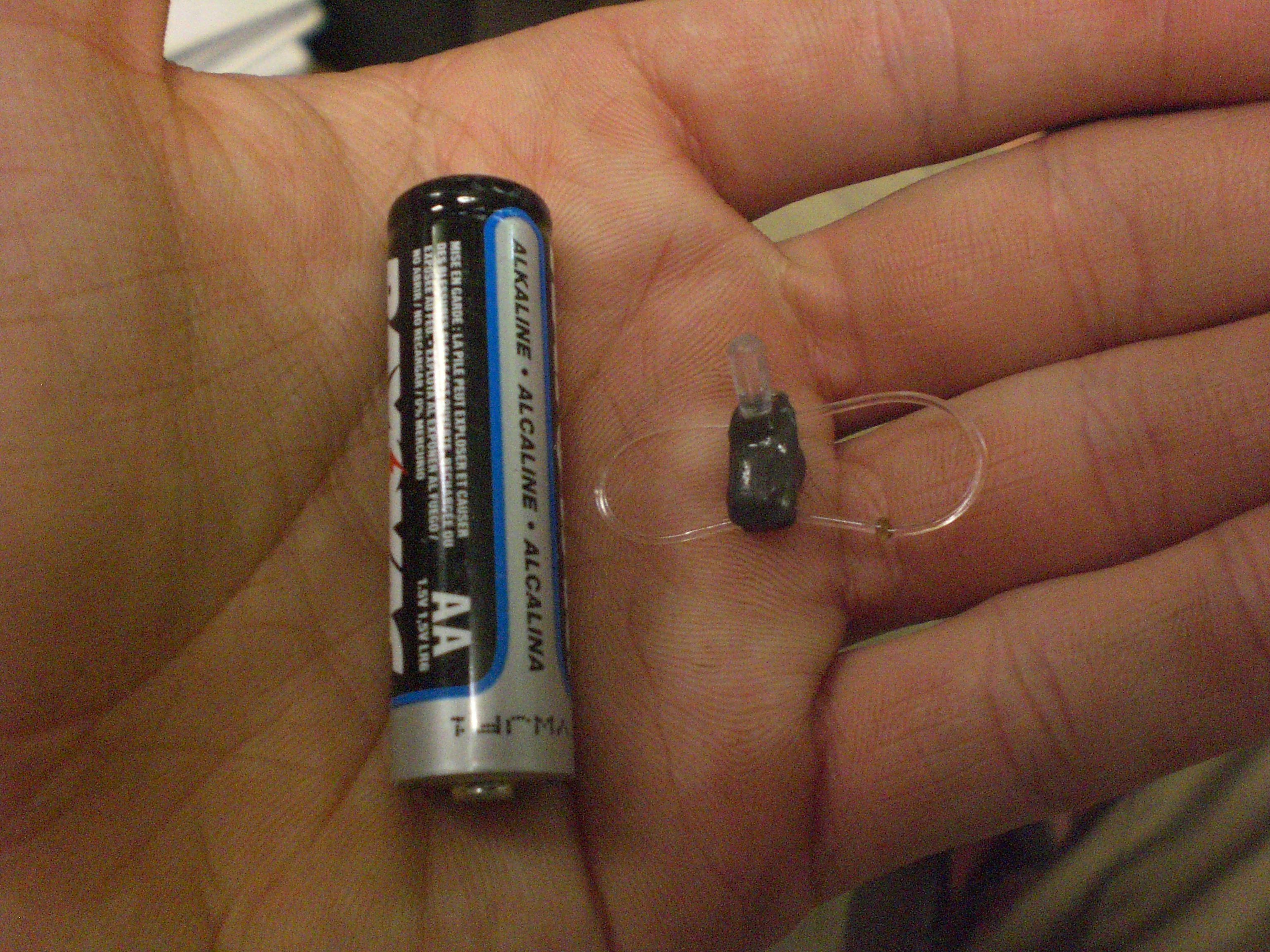
In other news, we got the OK to put geolocators on Prothonotary Warblers!!! We received 4 of them in the mail on Friday and after some quick thinking and utilizing of their invaluable connections, Matt and Norm found someone who has the proper permits to install geolocators on the backs of Prothonotary Warblers. The whole permit thing is actually a bit more complicated than how I make it out to be here, but for the sake of attempting to keep your interest, I will leave it at that. Although, I am sure you are wondering what a geolocator is. A geolocator is a clever little device that uses the sun to measure the time of day and geographic location in order to monitor the migration patterns of migratory birds. They look like little backpacks with a tiny bulb sticking out the top, and have two straps that go around the bird’s legs. The birds we attach geolocators to must return to the same breeding ground at Beidler Forest in order for the data to be extracted. Prothonotary Warblers have a high site fidelity so if they survive migration, they will likely return to Beidler next Spring. The ability to move forward with this project is exciting for everyone here at Beidler Forest because it is suspected that a high number of these birds die during migration because of loss of habitat. So knowing where they winter in Central and South America, and where they stop over during migration will be valuable information. My job next week will be to keep monitoring Prothonotary Warblers with the new goal of finding the After Second Year (ASY) birds. These birds have been shown to exhibit the highest survival rate and site fidelity.
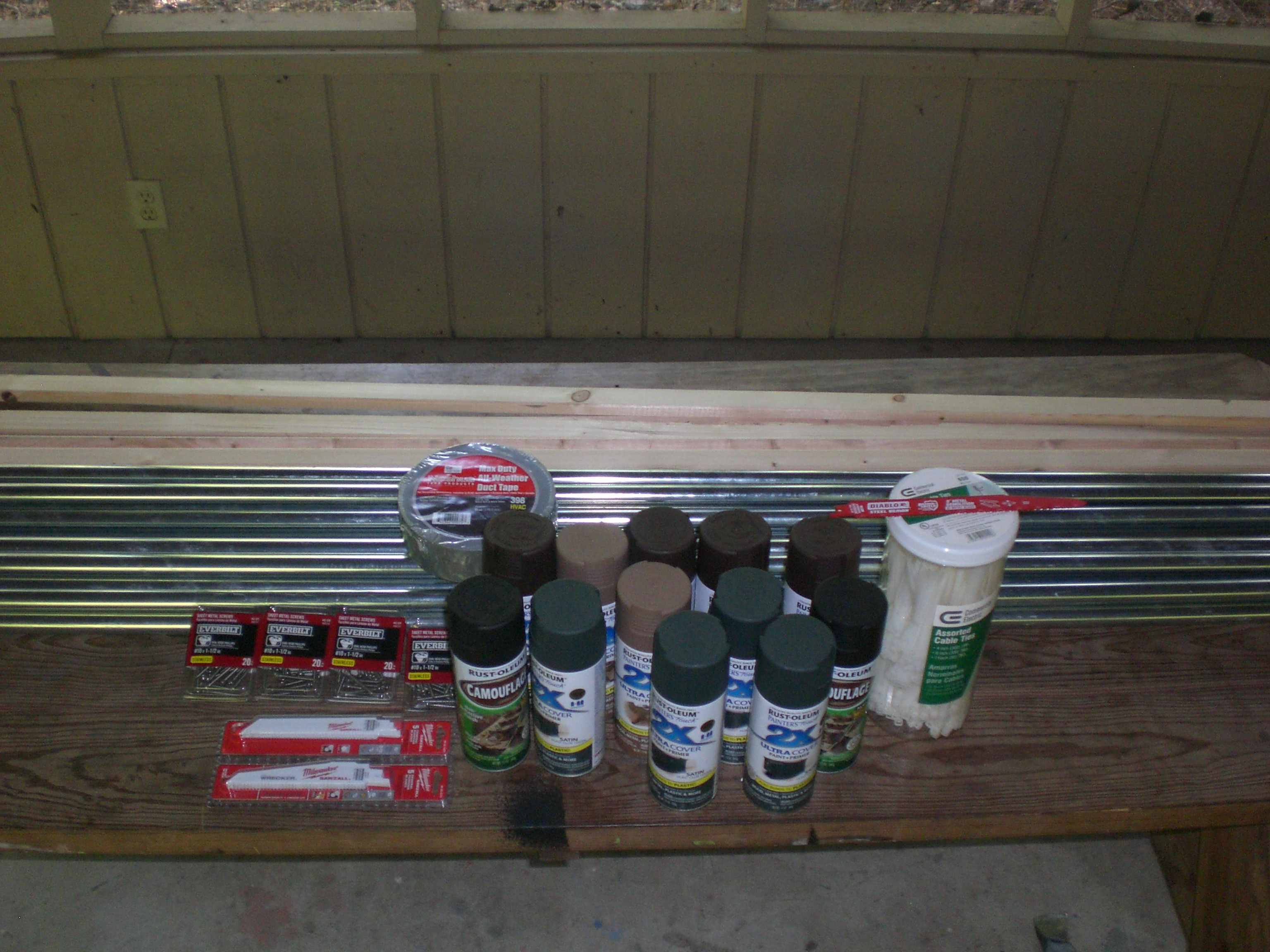
More good news: my efforts to reach out to local hardware stores for nest box donations have really paid off! The Home Depot of Summerville donated $225 of materials to our cause without even batting an eye. They have a fantastic program for non-profits where they will donate a certain amount of money to your project as long as you prove you have 501C non-profit status, and give a description of your project. We now have all of the materials we need to build and install these nest boxes, completely for free!
As I near the end of this experience, I find myself feeling a little uneasy. I am just getting in to a comfortable and productive rhythm and in three weeks it will all be over. I really enjoy the people and the birds here and I think I will miss it. On a short drive I took with Norman, as we were chatting about his life’s work to protect this beautiful, old-growth swamp, he told me something I will never forget. He said, “in my most philosophical moments, I feel a real connection with the original Audubon bird wardens who gave their lives to protect bird colonies from poachers.” When Audubon first started, their goal was to stop poachers from killing the snowy egret for their breeding plumage. Poachers would sell their stolen tufts of feathers to hat makers, who then sold fancy women’s hats. The founders of Audubon noticed the decline in bird populations and stepped in as wardens and protected the land and the bird colonies on it. Some of them were killed by poachers who didn’t want to listen. Norman pulled at my heartstrings when he said what he said. He, Mike, and Mark, and the other Audubon employees, really are wardens of the swamp. They are protectors of the wildlife that is so important to our ecosystems and to our world. That is the kind of drive and passion that I am looking for, and I believe I will find it in this line of work.
PS – It is a little embarrassing that it took me this long to realize, but I made a mistake in my first blog post. Mike, the first face that I saw when I stepped out of my car after arriving at Beidler Forest, is the site manager as well as a land manager. I thought I should make that clear in case he ever reads this!

Major: Biology and Environmental Studies. Hometown:Downer’s Grove, Illinois.
PreviousWeek 6: Audobon Center at Francis Beidler Forest
NextWeek 8: Audobon Center at Francis Beidler Forest