
Week 2:
University of South Carolina
June 17, 2014
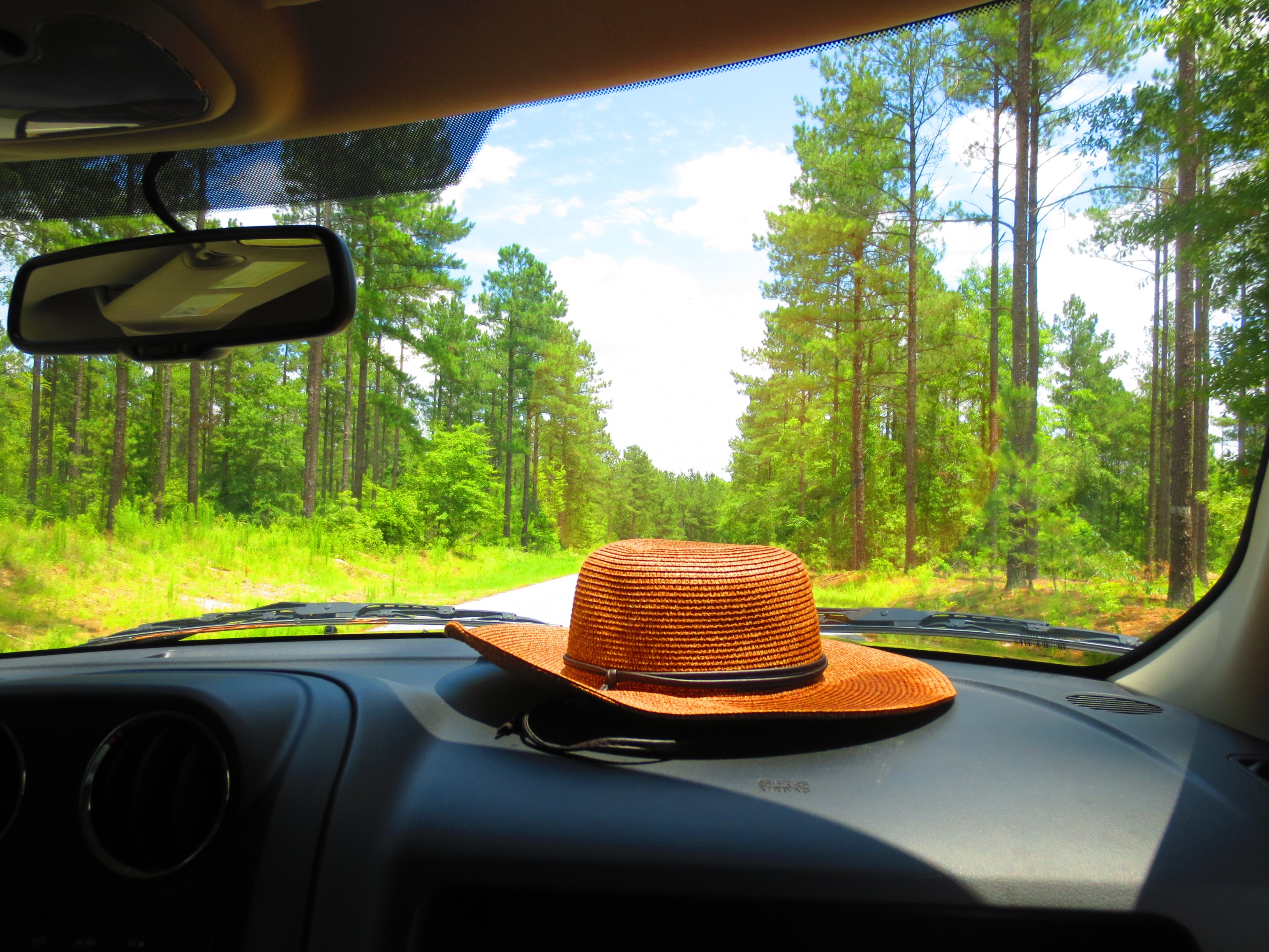
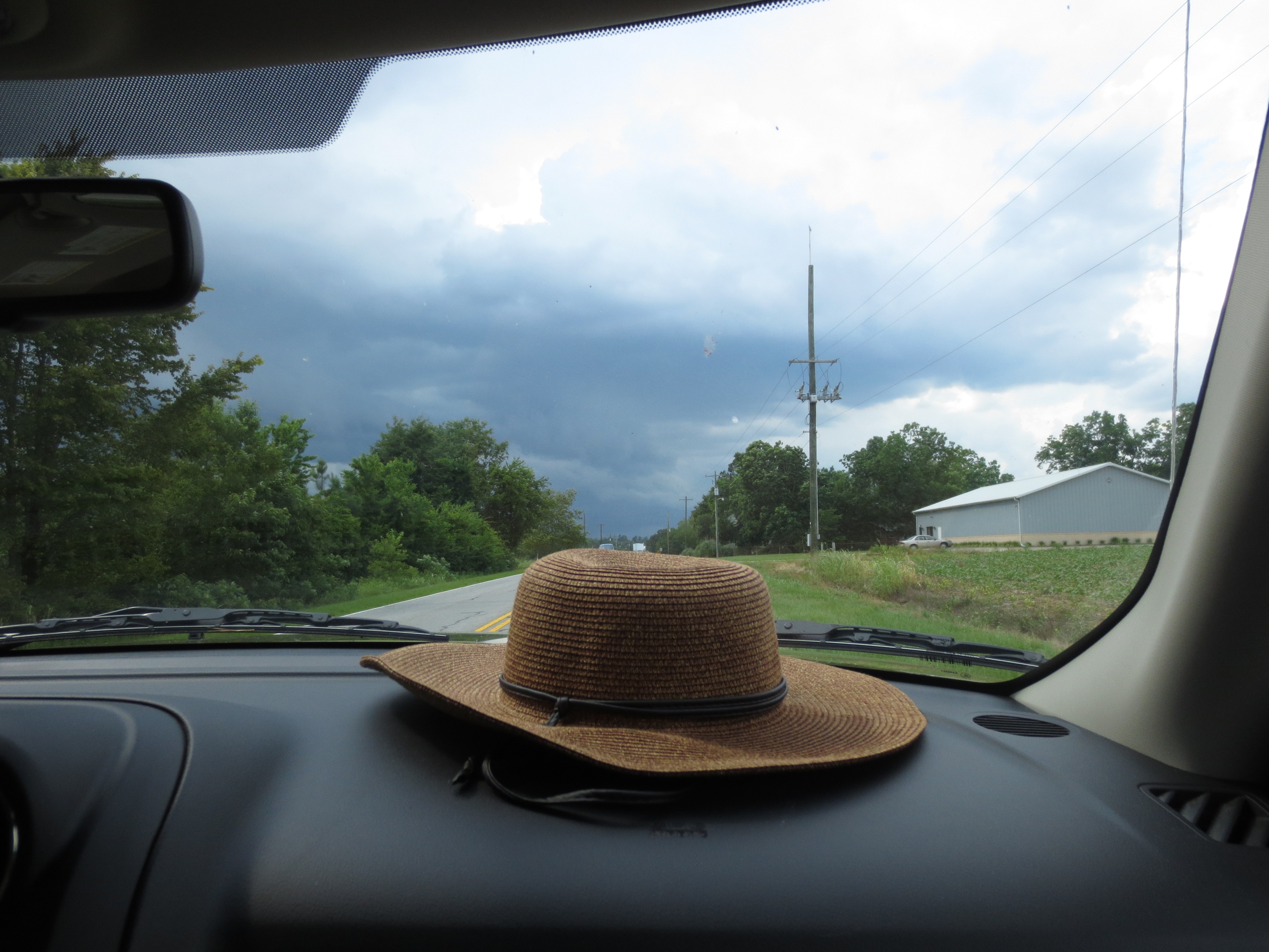
Fieldwork. The highlight of this week have no doubt been the fieldwork. After staring at a computer screen for several days, my eyes reveled in whatever scenery we passed on our way to the sites; even the sideroad stores. I am realizing that I don’t have the discipline needed for learning computer programs online. However, let me not conclude now, because once I get to use my knowledge of GIS to solve problems or map my my own data, I am sure I will be much more involved.
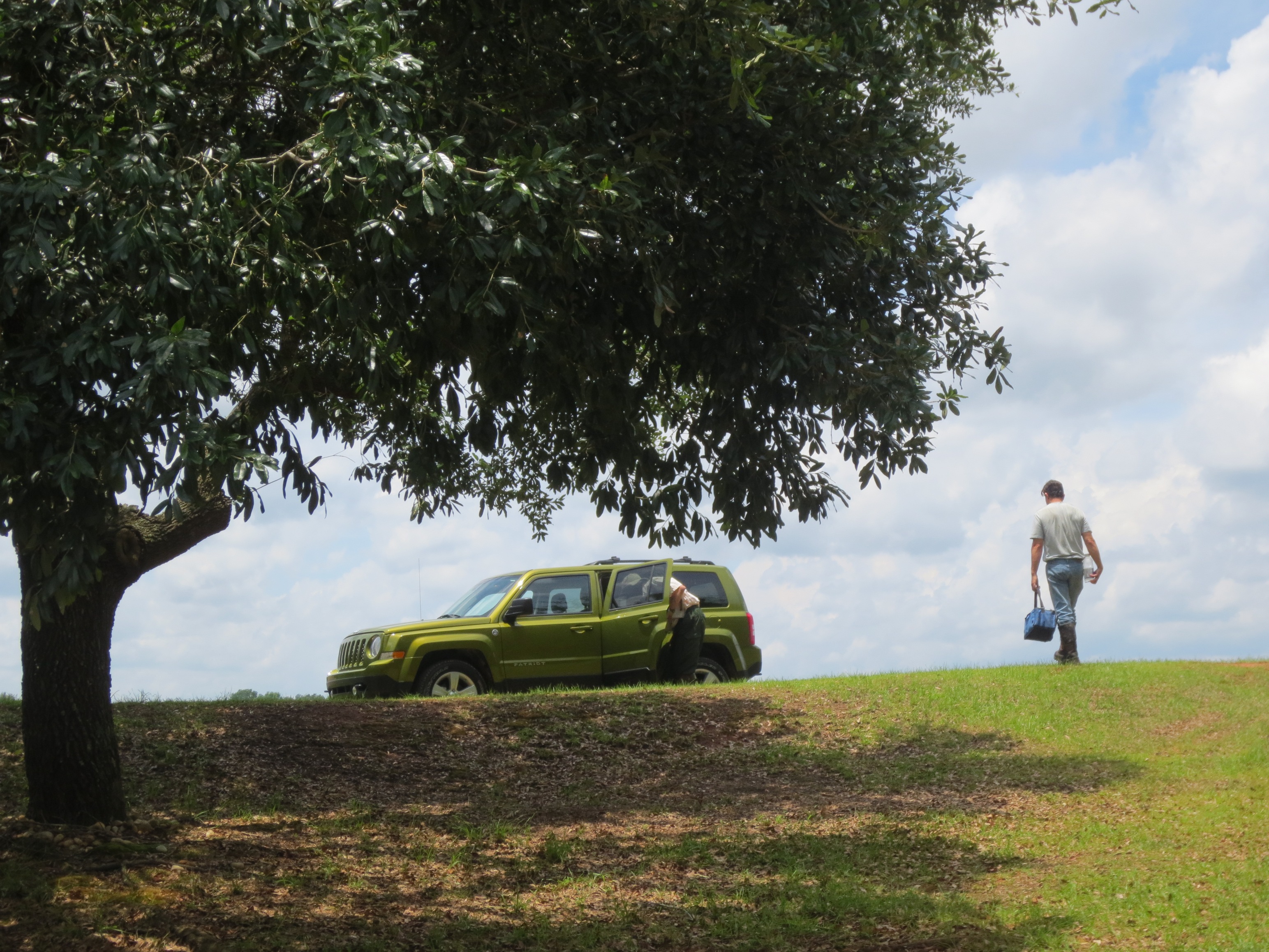
Wednesday and Thursday started early in the morning as we loaded our car at 7:30 and left at 8. The weather I had been dreading from the beginning decided to be merciful on us this week. Riding in an air-conditioned car between the sites, plus walking under the shades of foliage enhanced the experience greatly of course. Otherwise, as I mentioned in my previous post, heat is my greatest enemy. Even excessive drinking cannot make me as delirious as staying in heat for several minutes; though I admit I haven’t done the former yet.
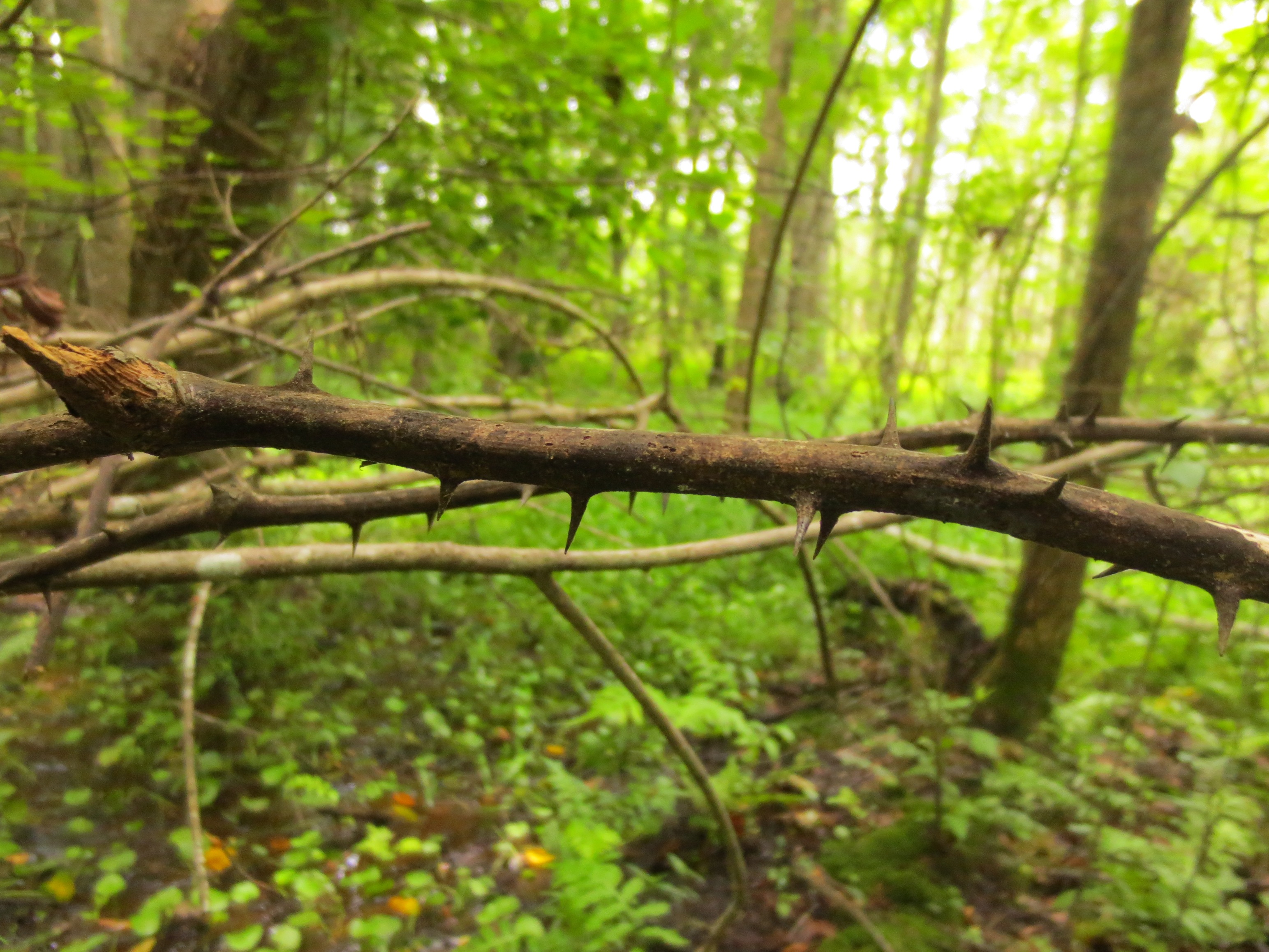
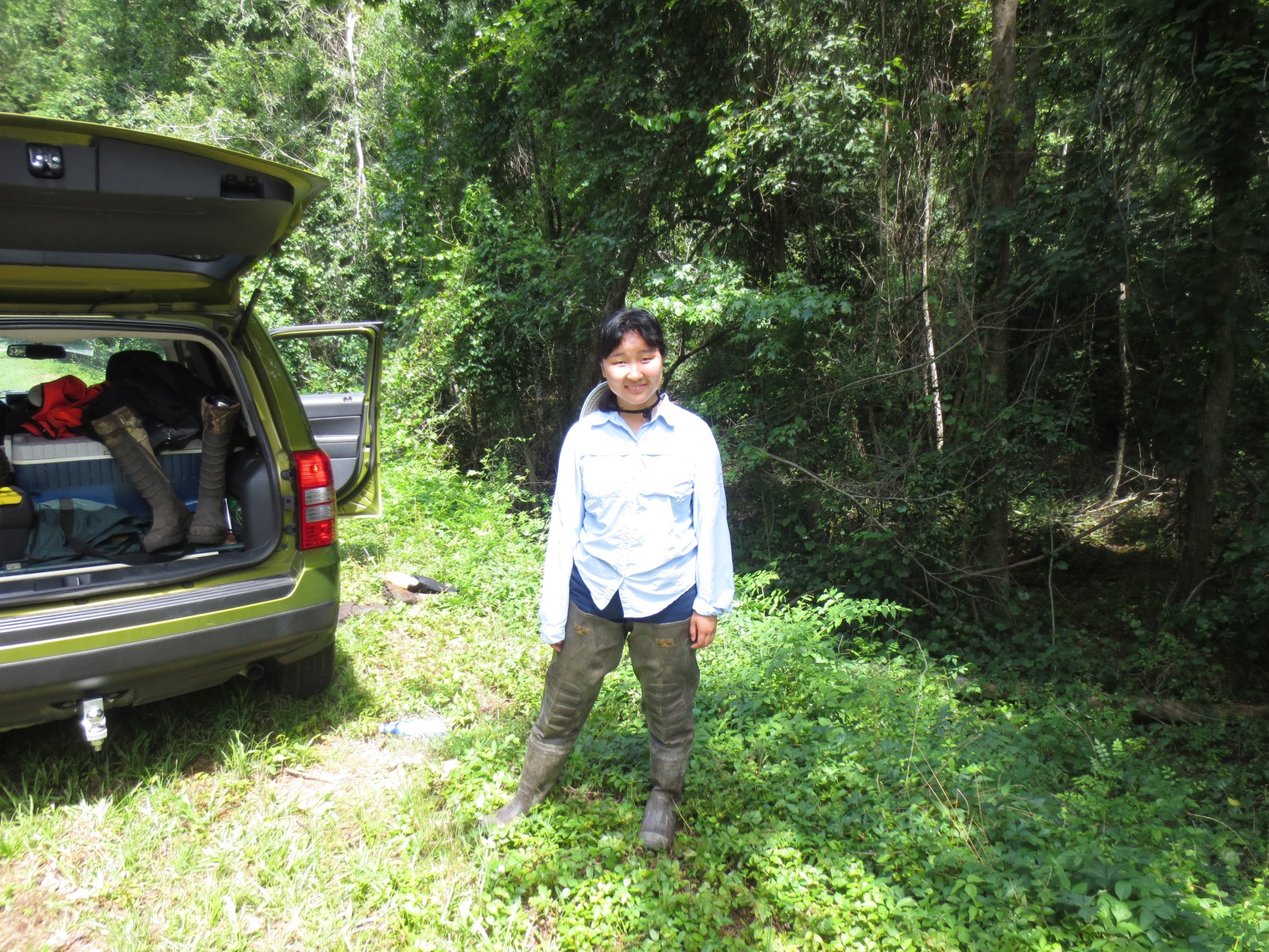
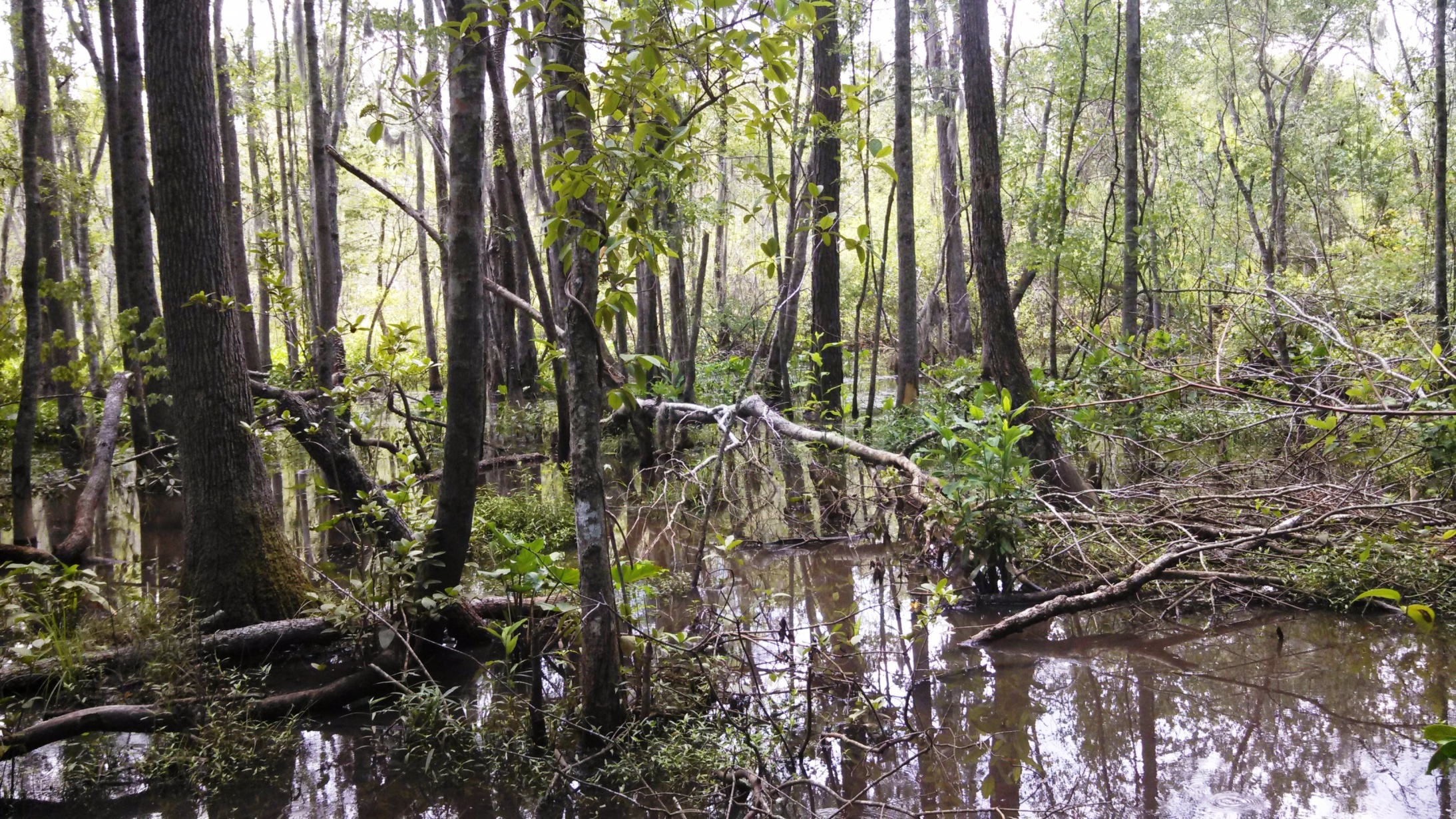
The three-year-old in Bayanhongor who reported on her experiences of playing in grass as “being in jungle” couldn’t have grasped the idea of sampling water from streams and sips amidst the dense forests of South Carolina. The unfamiliar thorny plants that constantly got grip of me reminded me of the scene from Disney’s Sleeping Beauty where the prince has to cut through thick thorny bushes in order to reach the castle and save Aurora. It is as if the plants here have sought all possible venues of self-protection in reaction to previous traumas. Still, there seems to be no effective means of preventing invasive species from Russia, China (Mongolia too?), etc. Whatever it is, Dan and Warren are extremely agile in making their ways through. Dan is usually the path-maker, and Warren carries the heaviest load. I actually like the sound of pulling my feet that get drenched in mud…until suddenly there is no sound…my legs are trapped in swamp up to above my knees.
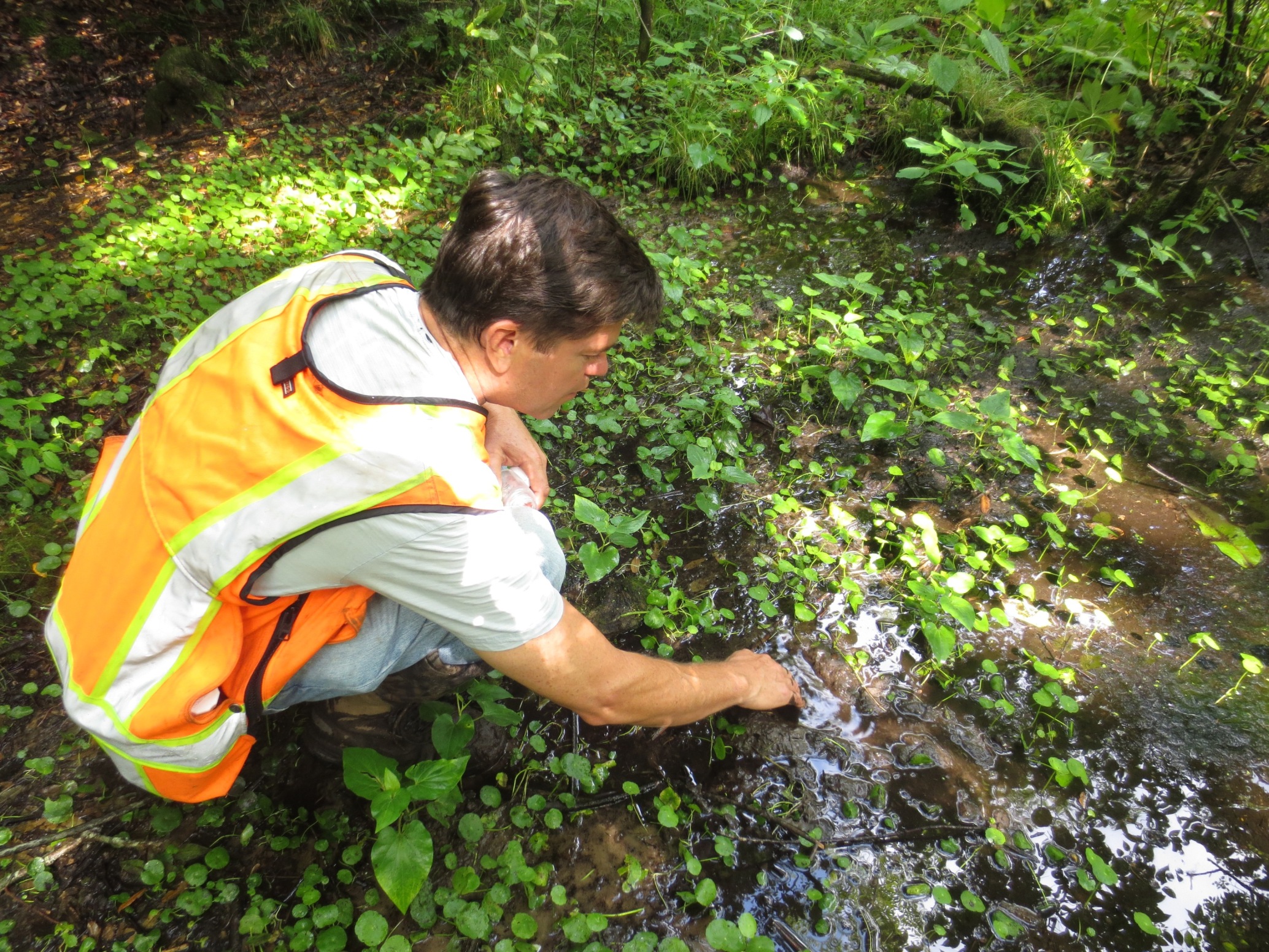
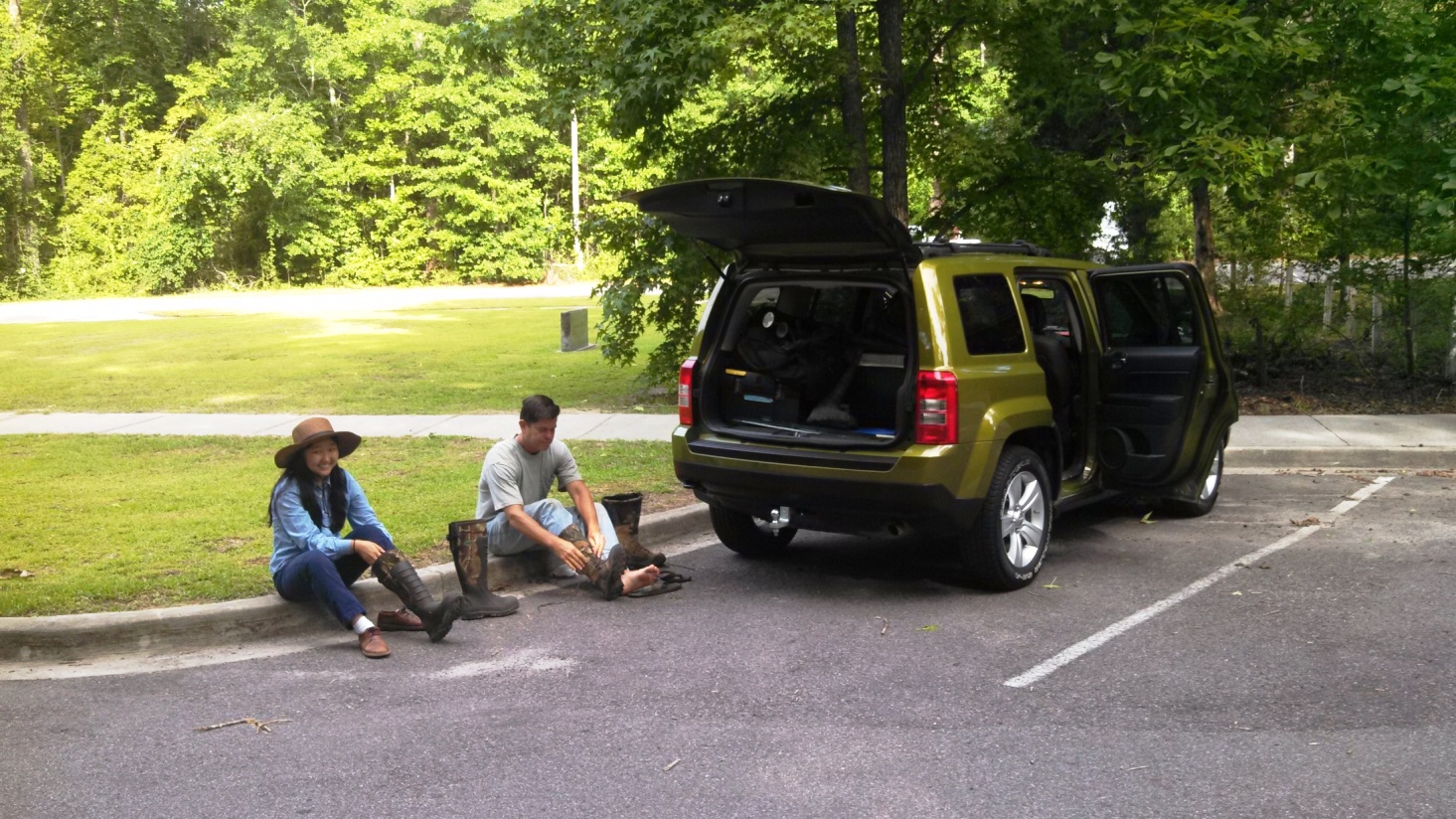
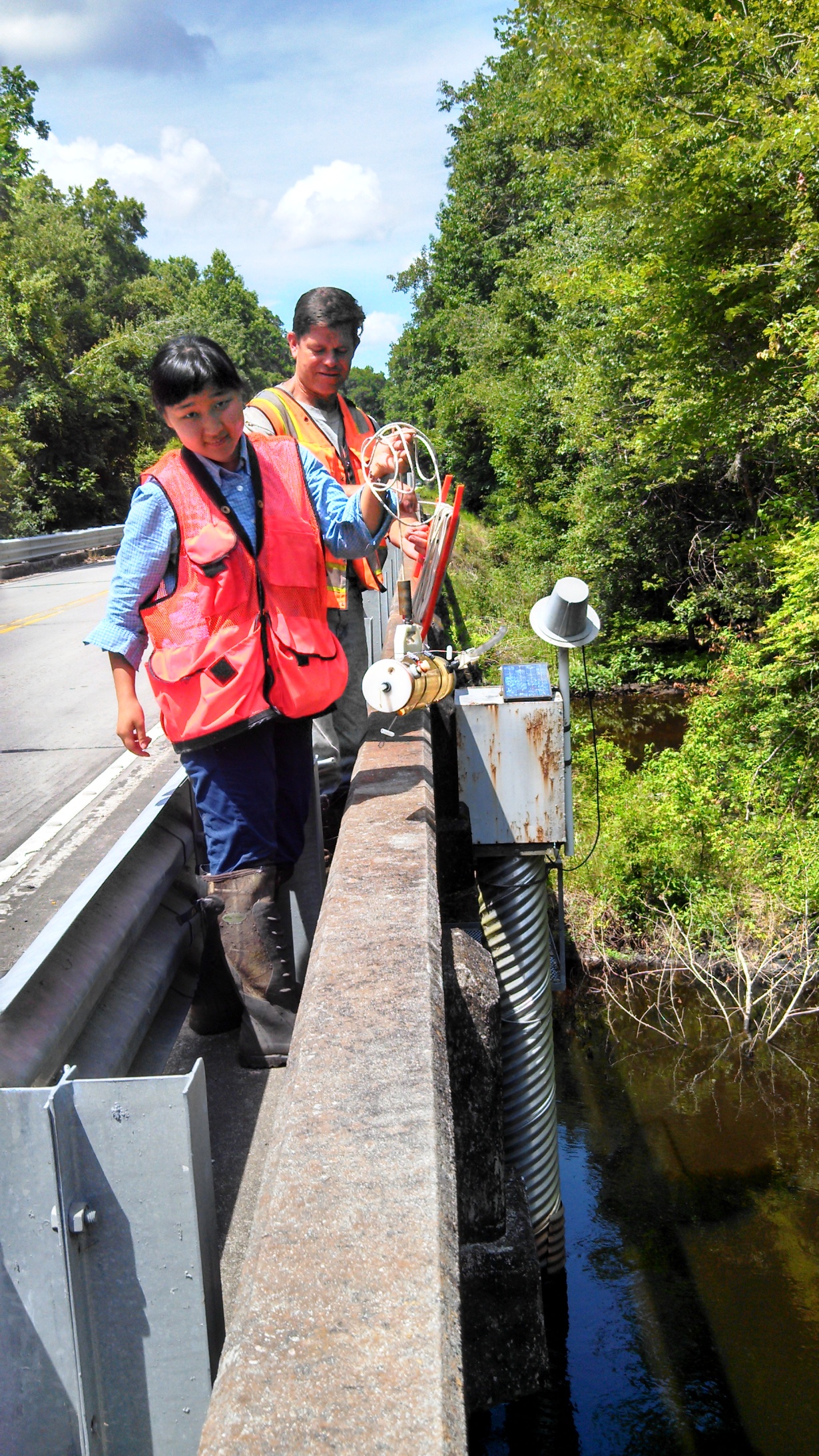
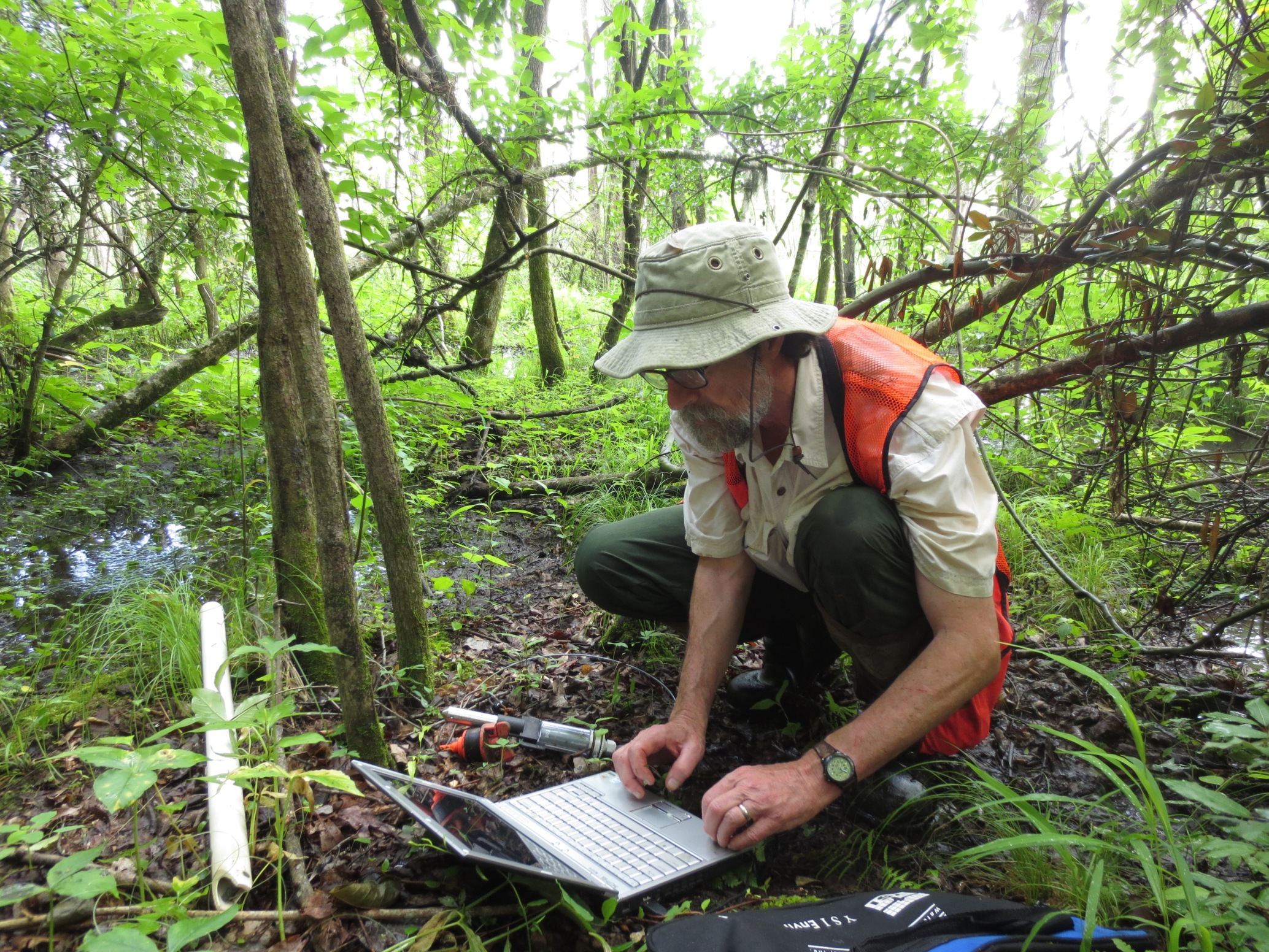
Our field work involves three main activities: we take water samples from each site, then we measure various water quality field indicators like pH, dissolved oxygen content, and temperature of the water, and finally we take stream flow measurement, which involves standing in the stream/river and measuring width, depth and velocity of the current. The three steps can be followed in any order. Because blackwater rivers in the coastal plains are accumulations of tiny seeps and streams, we are interested in how the water quality changes longitudinally as a river evolves. Therefore, in some cases, seeps have miserable amount of flowing water; but taking a dip little by little can provide good contemplative moments. Water in general, big or small, always enlivens the environment. Moreover, I find gathering my own data empowering as a researcher. Think about it: You take a measurement, although things in nature are in constant flux, whatever you record will be a representation that will be used for modelling the original reality based on statistical average.
Labwork.Friday was spent in lab as Warren and I prepared our samples for DOM analysis. We filtered the particulate matters from the samples and divided the remaining samples into five different beakers for different analyses. Warren is such an amicable person that it is very easy to communicate with him.
Roommate. Even after spending more than 12 hours at work, I always find time to converse with my roommate, Saravanan, a PhD student here from southern India, studying bioinformatics. Meeting him has no equal in my previous experiences. Besides being truly compatible with each other as two individuals, we realized we share the same questions and concerns that shape our everyday lives. Our conversations have gone from evolution, intelligence design, indigenous cultures, buddhism, ET, basis scientific knowledge, human ignorance, etc. It was ennobling to hear of his quest to understand what life is, which he started by exploring biology, physics, philosophy, and finally deriving more meaning from his previously-abhorred Indian spiritual traditions he saw as amalgamations of various superstitious forms. He realized that the innumerable, seemingly inane gods and temples in India actually have science behind them, but just been forgotten or lost through the colonial years, and currently, people mostly ended up worshiping superstitiously. I personally agree with Neru that India is like a shrewd old man, while the west is like a young guy in his twenties with all his ambitions. Whatever the case is, Saravanan accepts things as true only after he has seen and/or experienced them; even science, which shows his highly scientific mindset. ?
Tanya, Saravanan’s girlfriend, is also a PhD student here, and whenever she is here, she doubles our happiness. Having great talent and interest in cooking, she is also an apt dancer. Her laughter is like that of a little kid, wholehearted and sincere.
Setsen is a geology major from Ulaanbaatar, Mongolia.