
Week 5:
Crabs Galore
June 26, 2022
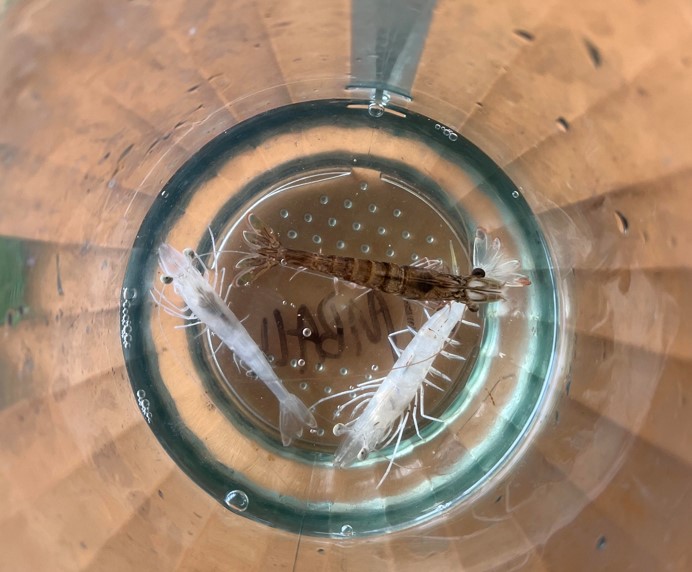
With the temperatures in Georgetown above 95 degrees, it was easily the hottest week since I’ve been here. For the first couple of days, I spent quite a bit of my time working in the seawater lab on the brown shrimp experiment, which was to be expected. Because our experimental period is well underway, I am down there at least three times a day checking in on the water levels, salinities, and shrimp. Depending on the weather that day, it’s not uncommon to find Willa or myself down in the seawater lab working on other things since we practically will be living there for the next 15 days.
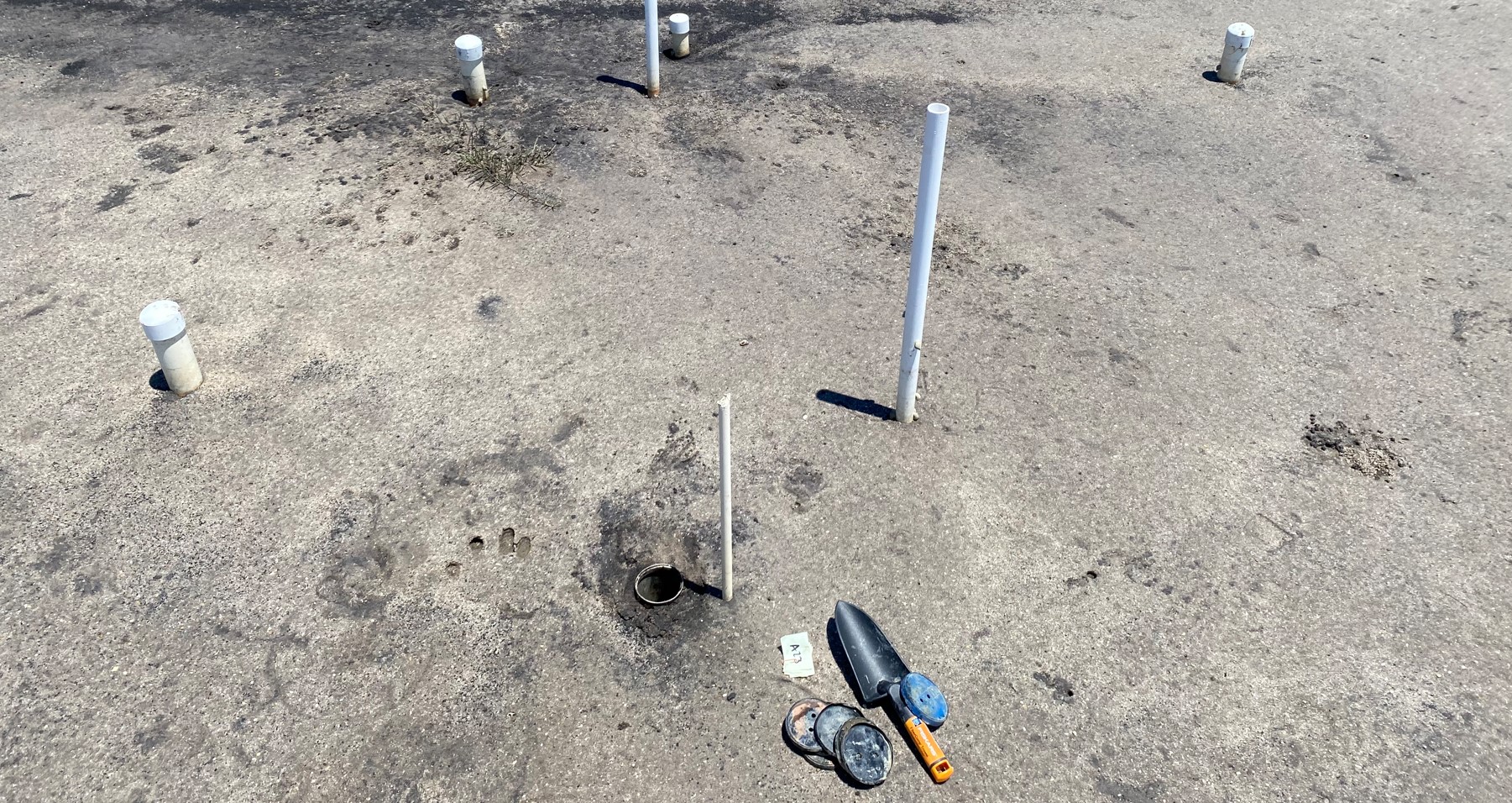
One part of my experience so far that I’ve really enjoyed has been the ample amount of opportunity I’ve had to be involved in recurring research projects going on over the summer. Up until this point, I’ve been involved on projects such as seine collections (biweekly), marsh groundwater sampling (monthly), and various fauna trawls to name a few. This week I had the opportunity to go out and help with some fieldwork I hadn’t done before on mud crabs! On Wednesday and Saturday, I went out with Isabel, one of Robert’s interns here this summer, to help set up and collect crab pitfall traps out in the marsh. To give a little background on what this research entails, the goal is to track crab species type and abundance across various sections of the marsh to find out which types of crabs live where. For example, pitfall traps are distributed throughout the marsh, some placed right on the creek bank (submerged at high tide) and some located more inland (less subject to tidal conditions). Every other day, these pitfall traps (which are essentially tennis ball containers buried down in the ground), are retrieved, analyzed, and then replaced. I haven’t had a whole lot of hands-on experience with crabs in the past, so this project has been a great learning opportunity for me!
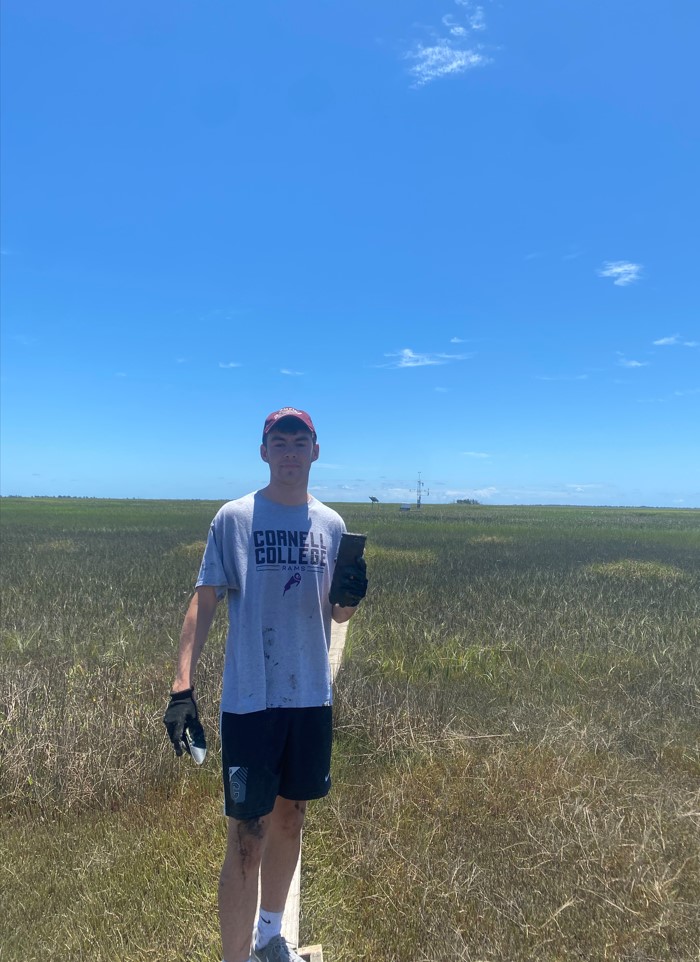
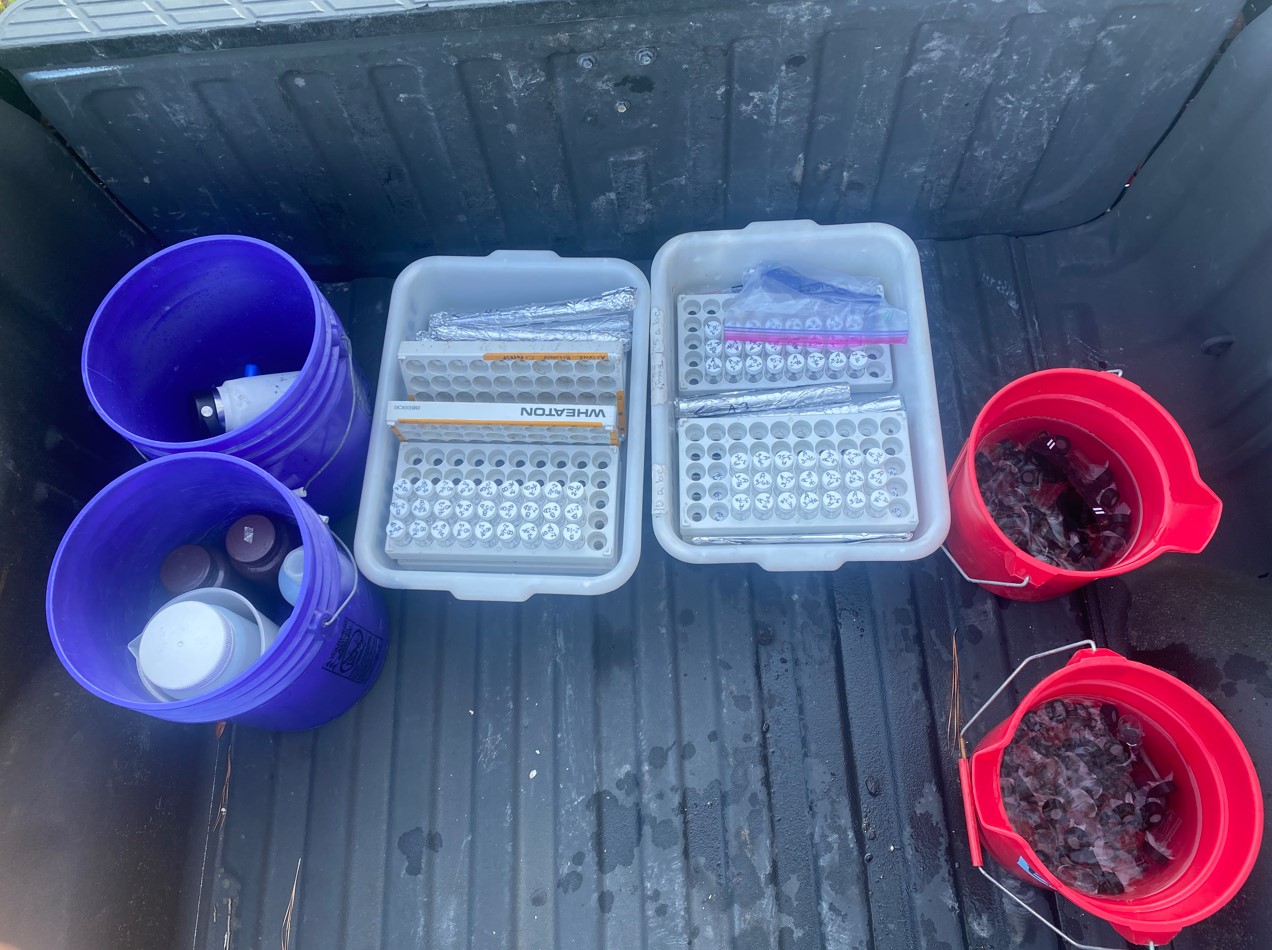
Thursday and Friday were probably the busiest (and hottest) days for me this week. I spent the entire day on Thursday collecting marsh water samples (same project from Week 1) with Baker, other faculty researchers, and some other interns. We spent a few hours out in the field physically collecting and replacing the water sample vials with clean ones, and then spent the majority of the afternoon filtering out sediment from the collected samples. which were then sent to the lab for chemical testing.
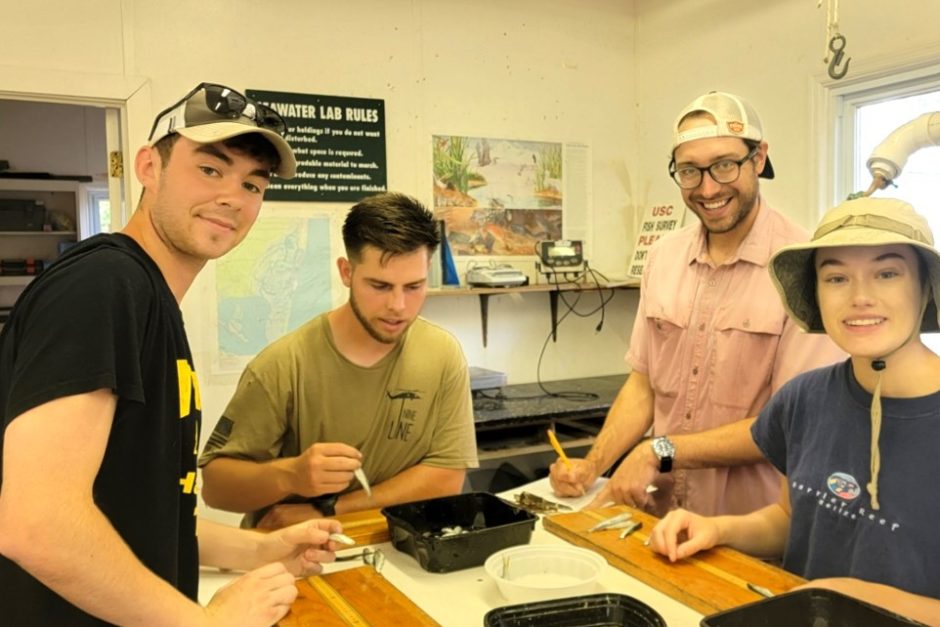
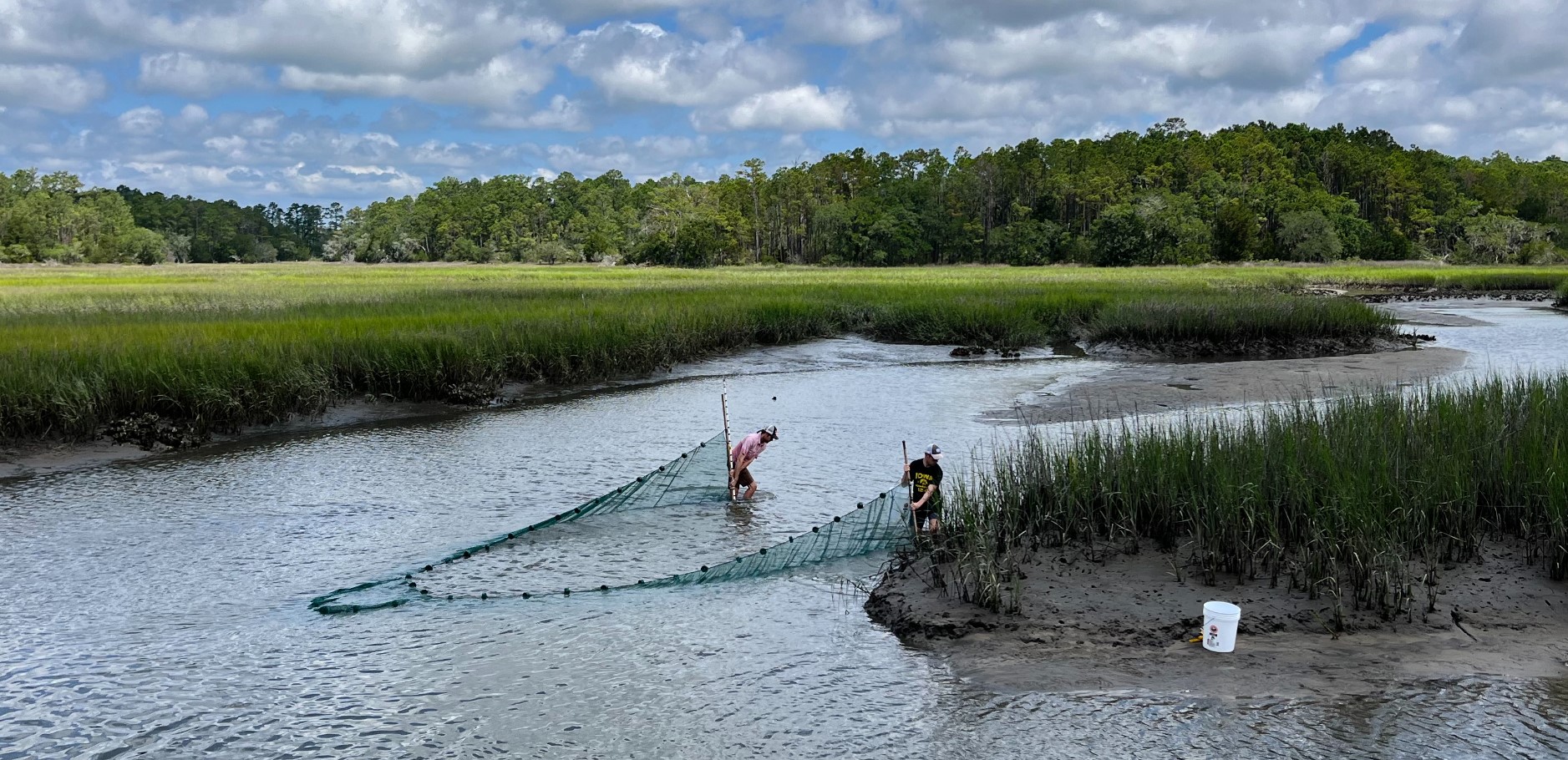
On Friday morning, I went out with Willa and Bruce (a faculty researcher from Baruch) and pulled another seine, which was a blessing in disguise because the water in the creek felt amazing on such a hot day. Outside of the routine shrimp check-ins, we spent the rest of the day sorting and identifying the contents of our seine, which is always really cool because you never know what obscure fish or species is going to show up on any given day.
Drew is an environmental science major from Solon, Iowa.