
Week 5:
Warming Up
June 18, 2022
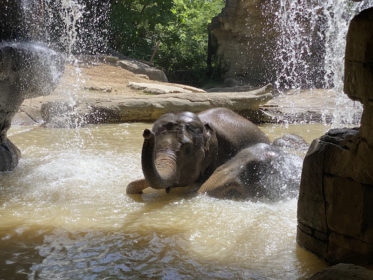
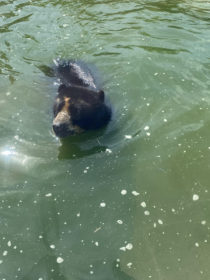
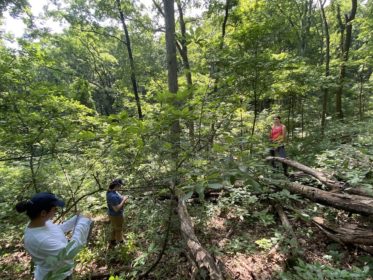
With highs in the upper 90s and several days reaching over 100 degrees Fahrenheit, it was a very warm week here in St. Louis! We spent the majority of the week working around the heat as we collected data for the Saint Louis Box Turtle Project. We started each day of tracking earlier in the morning and made sure to drink plenty of water. One of the other interns brought cooling towels for everyone to use which were a lifesaver after tracking turtles in the heat! The animals in the River’s Edge exhibit had a similar strategy as the zoo’s Asian elephants and Andean bear spent some extra time in the water this week.
The high temperatures didn’t just affect us, but also the box turtles! Turtles and other reptiles are ectothermic which means that they use their environment to regulate their temperature. Temperature regulation is very important for reptiles as it helps with their normal body temperature processes like metabolism and digestion. Along with data regarding location and body condition of the turtles, the temperature of their environment is also recorded as part of the box turtle study. Special iButtons are attached to the turtle’s shells along with the telemetry device. These iButtons record temperature at a set interval of time and provide insight into the turtle’s preferred temperatures. They are also important as they record the temperature exactly where the turtle is, which can be very different from the atmospheric temperature. The logging of temperature within the device also allows us to get a better picture of temperature preference throughout the day as opposed to only when the turtles have been located.
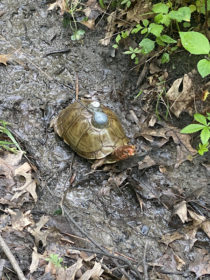
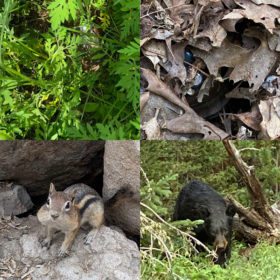
During hotter temperatures like the ones we experienced this week, turtles can go into a period of estivation. Estivation is a state of dormancy due to harsh conditions. By burrowing down into leaf litter or other cover, slowing their metabolism, and limiting activity, the turtles can avoid complications caused by the heat. This is very similar to other behaviors that are typically associated with cold weather. Many people are familiar with the term hibernation which is used to describe a period of inactivity that generally occurs during the winter months. Animals such as ground squirrels and bats are true hibernators as their heart rates and metabolism are slowed for the entire winter season and they remain in a deep sleep. Bears are often used as an example of animals that hibernate; however, they are not true hibernators. Instead, bear species that are inactive for much of the winter months (like grizzlies and black bears) go into a state known as torpor. Bears are still able to wake up and search for food rather than remain completely inactive like the true hibernators. In reptiles and other ectotherms, this period of dormancy over the colder part of the year is referred to as brumation. Box turtles will generally burrow into the leaf litter and soil on the forest floor in order to escape the extreme winter temperatures and stay warm. This makes a good layer of leaf litter or other debris important for their winter survival. However, due to anthropogenic (human-caused) factors, turtles in some areas do not have as much insulation from extreme temperatures and this can lead to increased mortality.
Temperature is also important for turtles when they lay their eggs. The incubation temperature of turtle eggs determine the sex of the hatchlings, with higher temperatures resulting in females and lower temperatures resulting in males. This process is driven by a set of transcription factors that are activated at different temperatures and lead to the expression of genes that code for male or female characteristics. A slight variation in temperature can yield a clutch of entirely male or female turtles.
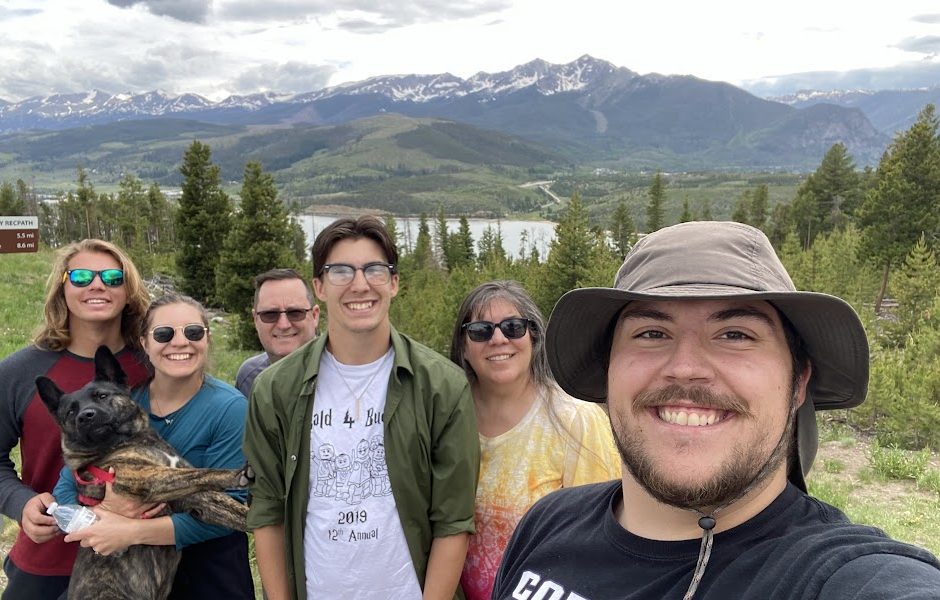
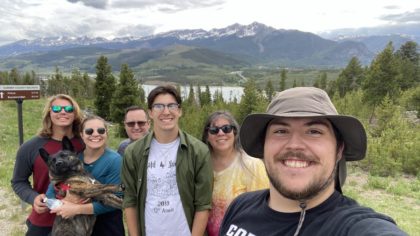
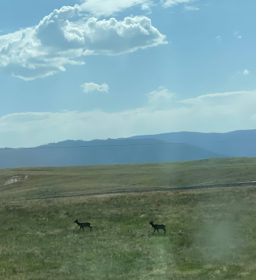
After we tracked the turtles during the week, I headed home to Colorado to spend time with my family over Father’s Day. It was a welcome break to get away from the heat and humidity of St. Louis for a few days and also see native Colorado wildlife!


Nate is a biochemistry and molecular biology major from Colorado Springs, Colorado.