
Week 6:
Tick Talk
June 25, 2022
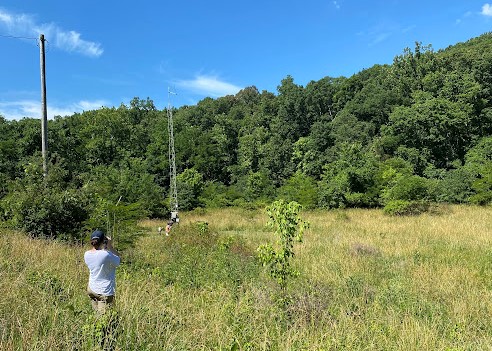
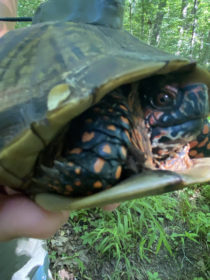
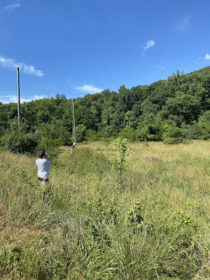
It was another successful week of tracking turtles in the ICM!
We once again checked the locations of each of the study turtles at the three research sites. This week was another hot one, and many of the turtles were still estivating and difficult to spot as they were buried in the leaf litter. We were able to collect GPS data of their locations and were also able to collect iButton data from several of the individuals to better understand the turtle’s preferred temperatures. We also worked to prepare everything we need for microbiome sampling next week.
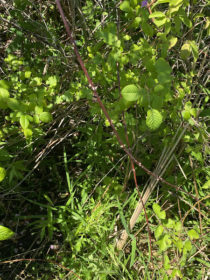
When we get ready to go into the field, there are a number of things that need to be considered. We make sure we have all of the necessary equipment to collect data like calipers for measuring size, and weigh bags and a scale to get an accurate weight. We also make sure that we have extra batteries for the GPS units and trackers, hand sanitizer and bleach to disinfect hands and tools, and data sheets to collect information from each turtle. Other necessities include hats, water bottles, and duct tape.
Duct tape is a useful tool for many situations and for us it serves a rather unique purpose, especially at Tyson Research Center. The presence of large numbers of wildlife like deer makes Tyson a prime location for ticks. Ticks belong to a class called arachnids, the same group that includes spiders, mites, and scorpions. Ticks are specialized ectoparasites (external parasites) that feed on the blood of a wide variety of animals. They are also very important to public health and to the study of disease transmission as they serve as a vector for a variety of pathogens like Borrelia burgdorferi, the bacterium that causes Lyme disease. The prevalence of ticks and the possibility of tick borne disease makes the duct tape a necessary addition to our field bag as a way to remove ticks from our clothing. Other preventative measures like wearing long pants tucked into socks and using tick repellent all help to minimize the risks that ticks present.
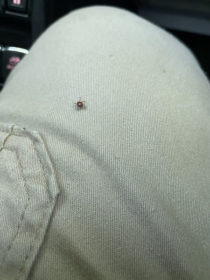
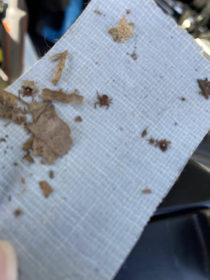
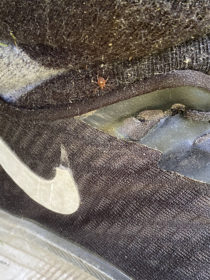
While we often think of organisms like ticks and mosquitos as pests and a challenge for public health and the economy, they also serve a vital role in the environment and can be indicators of problems affecting the environment around us. For example, males of many mosquito species act as pollinators similar to honey bees. Without these mosquitoes plants that rely on them to reproduce could disappear. Mosquitos also serve as a food source for a number of animals like birds and bats. The importance of this connection could be seen when populations of bats dropped due to white nose syndrome, a disease caused by an introduced fungus. The decrease in the number of bats led to an increase in the number mosquitos and an increased reliance on pesticides, which in turn affects a wide range of other organisms. Understanding these connections between organisms and the links between human, animal, and environmental health is the central idea to a One Health perspective and is the foundation for the field of Conservation Medicine.
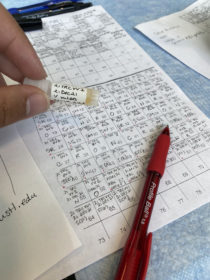
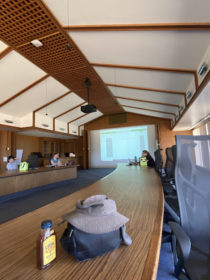
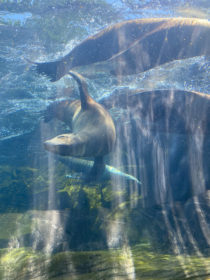
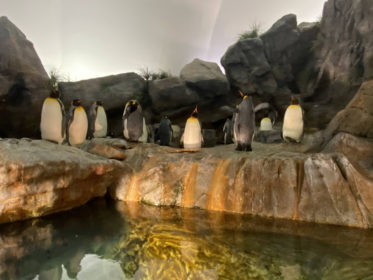
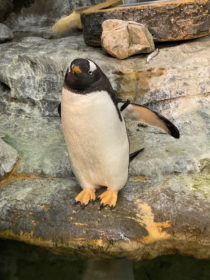
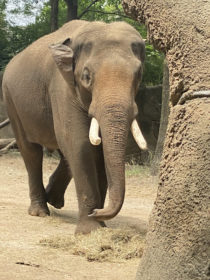
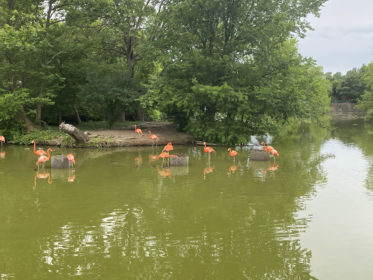
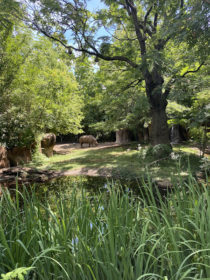
Along with tracking turtles and duct taping ticks, we also worked to organize samples for the Carnivore Conservation Initiative and entered data for the box turtle study. I also spent time exploring the zoo again this week. Some of my favorite pictures from the week were of the California sea lions, Gentoo and king penguins, Asian elephant Raja, flamingos, and black rhino Ajabu.

Nate is a biochemistry and molecular biology major from Colorado Springs, Colorado.